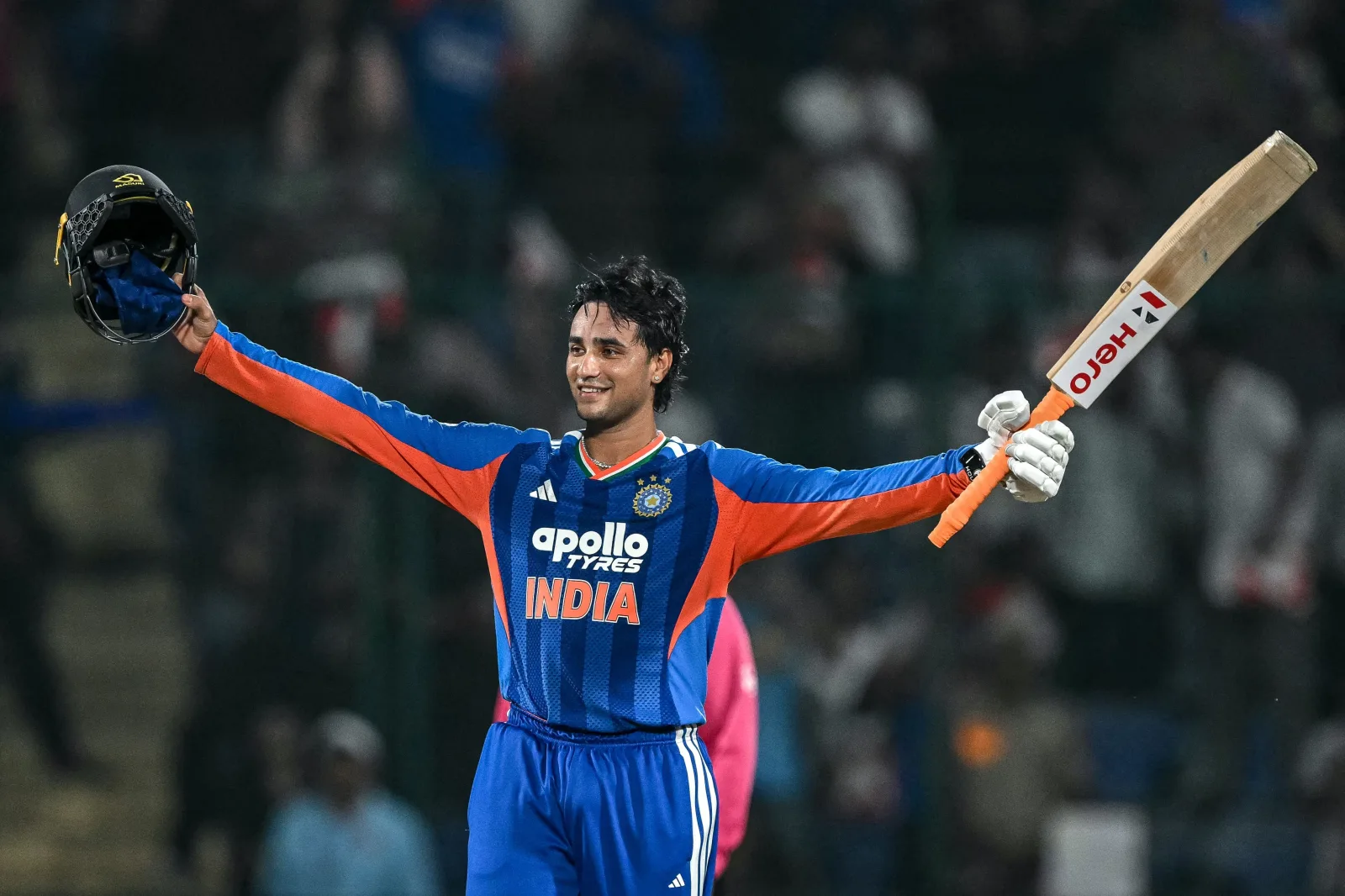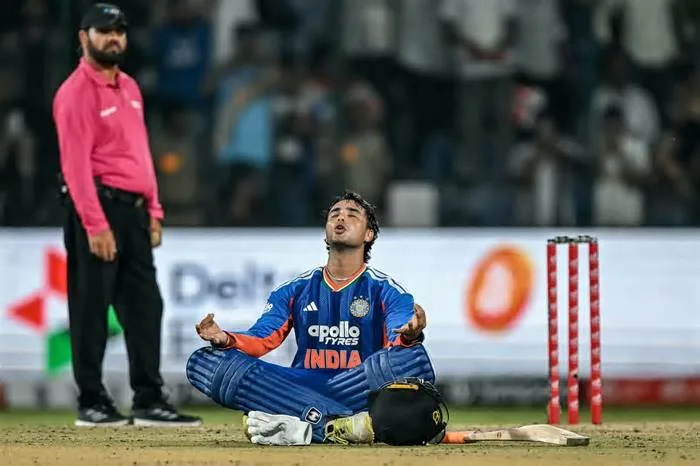
Abhishek Sharma, the left-handed player of the Indian national cricket team, on an unforgettable night at the Arun Jaitley Stadium, set the record for the fastest century in the history of T20 matches with his outstanding batting. By scoring 100 runs in just 30 balls, he was able to etch his name in the history of cricket.
Details of the Record Breaking
This match, held against the national team of Afghanistan, is recognized as one of the most memorable moments in cricket. Abhishek Sharma, with his stunning performance in this game, hit 16 sixes and 4 fours, thus breaking the previous record of 31 balls. This achievement is considered a significant victory not only for Sharma himself but also for the Indian national team.
Economic and Social Implications
Such victories in the world of sports, especially in cricket, have significant economic and social impacts. The increased attention and interest in this sport can lead to the growth of local and global markets related to cricket. Additionally, such successes can attract new investments and increase advertising revenues for local and national leagues. Given the high popularity of cricket in India and other Commonwealth countries, these types of successes can lead to the development of various brands and increased sales of products in target markets.
On the other hand, such record-breaking feats can help boost the motivation and confidence of other young players and contribute to further growth and advancement in this sport. Considering the profound social impacts that sports can have, individual successes like that of Abhishek Sharma can inspire future generations.