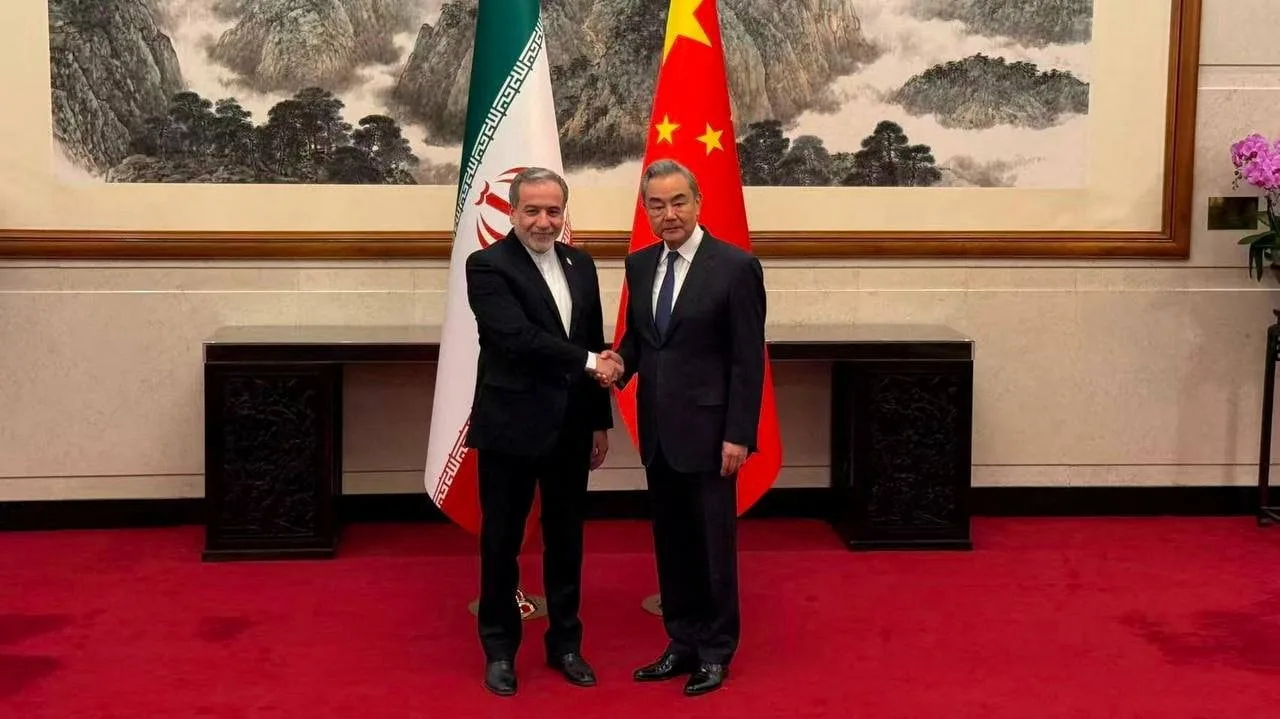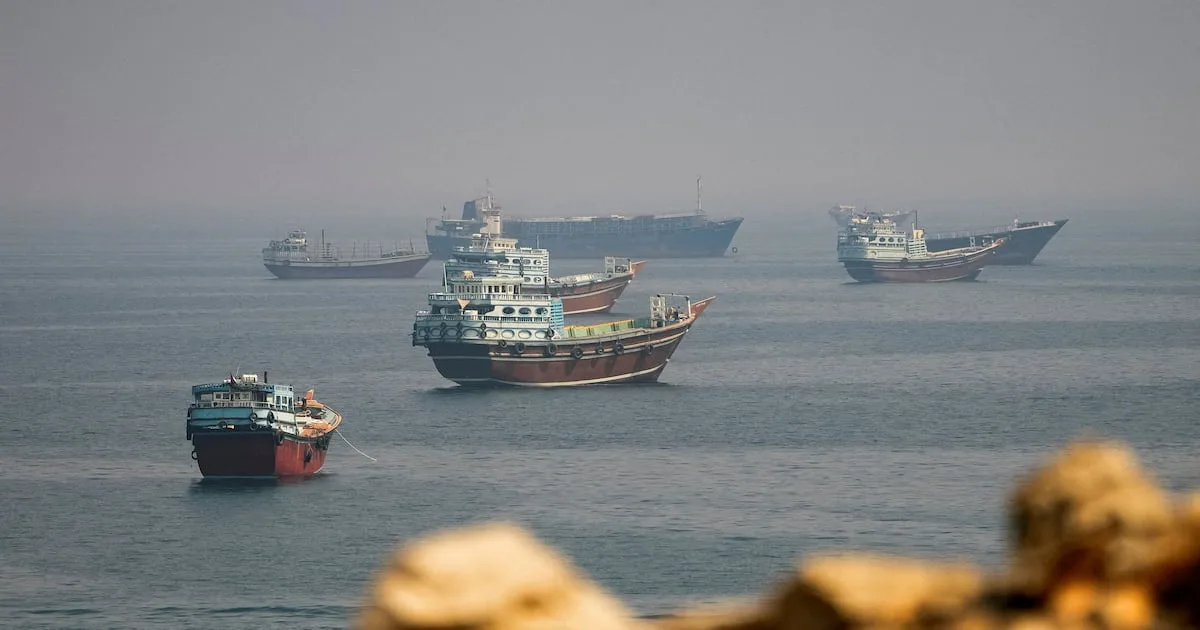
In its recent negotiations with Iran, China has stressed the importance of reopening the Strait of Hormuz. This strait, as a key route for the transportation of oil and gas to global markets, is heavily influenced by political and security developments. The Strait of Hormuz, located between the Persian Gulf and the Gulf of Oman, accounts for about 20 percent of the world's crude oil passage.
Economic and Security Dimensions
Reopening the Strait of Hormuz could help reduce regional tensions and increase security in international trade routes. Given its dependence on Middle Eastern energy, China is seeking to create stability in this region. Since many countries rely on the Strait of Hormuz for energy imports, any disruption in this route could lead to increased prices and economic fluctuations.
Read more: UAE Condemns Houthi Attacks on Saudi Civilian Facilities
Implications for Global Markets
Reopening the Strait of Hormuz could have widespread effects on global markets. Given that oil and gas prices are heavily influenced by the security of this strait, any changes in its security situation could lead to significant shifts in global prices. Furthermore, this action could allow Iran to increase its exports, thereby helping to improve its economic situation.
In these negotiations, Araqchi, as Iran's representative, has paid special attention to China's concerns regarding energy security and emphasized the need for further cooperation between the two countries. This cooperation could strengthen trade and economic relations between Iran and China and, on the other hand, help reduce existing tensions in the region.
Read more: China Calls for the Opening of the Strait of Hormuz in Negotiations with Abbas Araqchi · U.S. Treasury Secretary: UAE Has Cut Trade with Iran