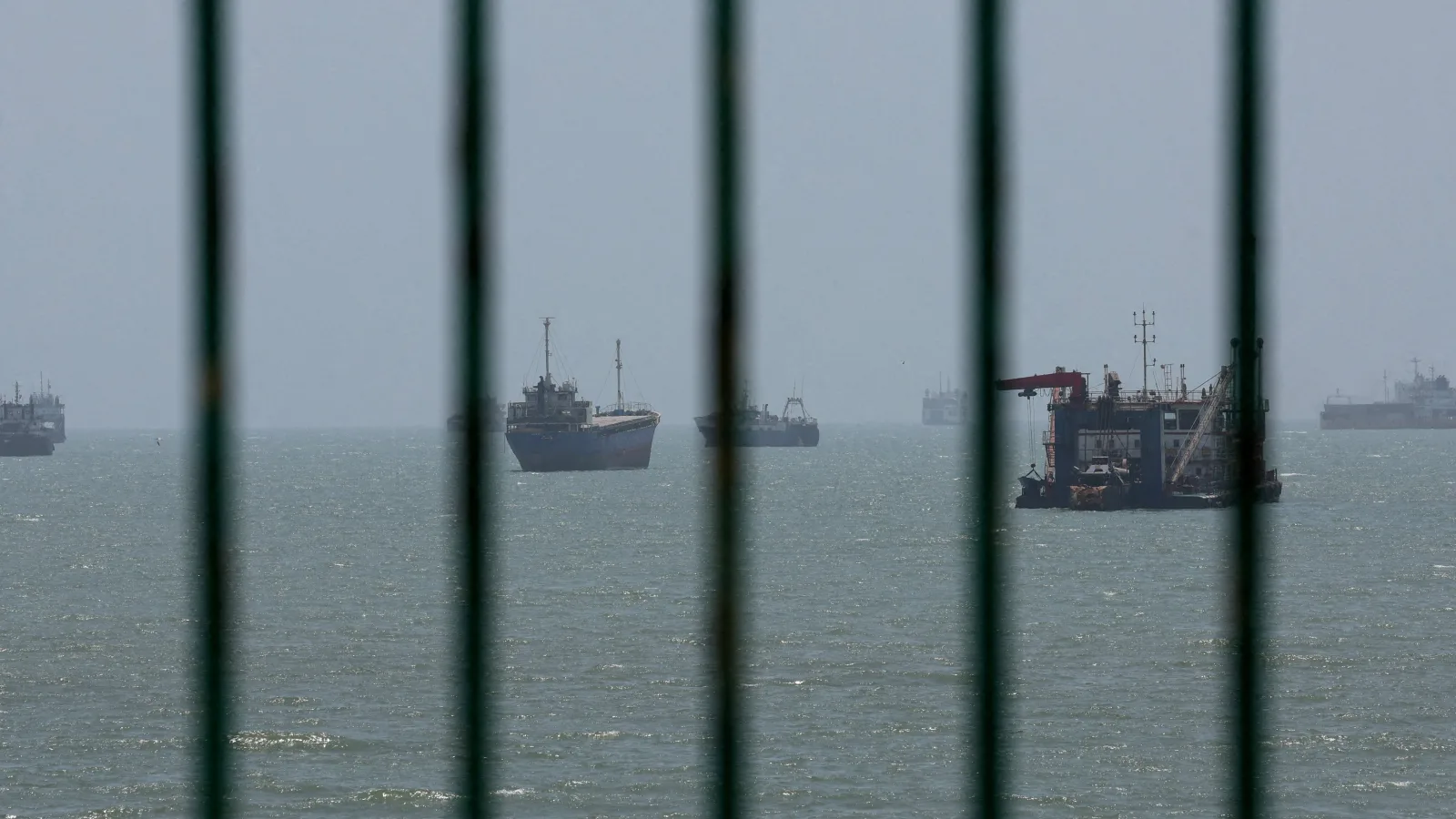
Following the escalation of military tensions in the Middle East, ship traffic in the key straits of Hormuz and Bab el-Mandeb has sharply decreased. These two straits, recognized as vital routes for maritime transport and global trade, are now in the spotlight.
Economic and Security Implications
In response to the increase in attacks and military threats, many shipping companies are temporarily refraining from passing through these straits. This decision not only has significant impacts on energy prices in global markets but also affects supply chains. Experts believe that if this trend continues, it could lead to increased transportation costs and ultimately higher prices for essential goods.
Moreover, the decrease in ship traffic could lead to increased insecurity in the region. Given the geographical location of these straits, any disruption in ship passage could exacerbate new economic and political crises. Many countries, especially in the Persian Gulf, are concerned about the consequences of this situation and are trying to manage the crisis through diplomacy and negotiation.
International Concerns
Western countries are also exploring various options to maintain maritime security due to the strategic importance of these straits. This comes as tensions, particularly between Iran and neighboring countries, are rising, and any military action could escalate existing crises.
Ultimately, it seems that the straits of Hormuz and Bab el-Mandeb will continue to face political and military pressures in the near future. This situation will not only impact regional security but will also have profound effects on the global economy.