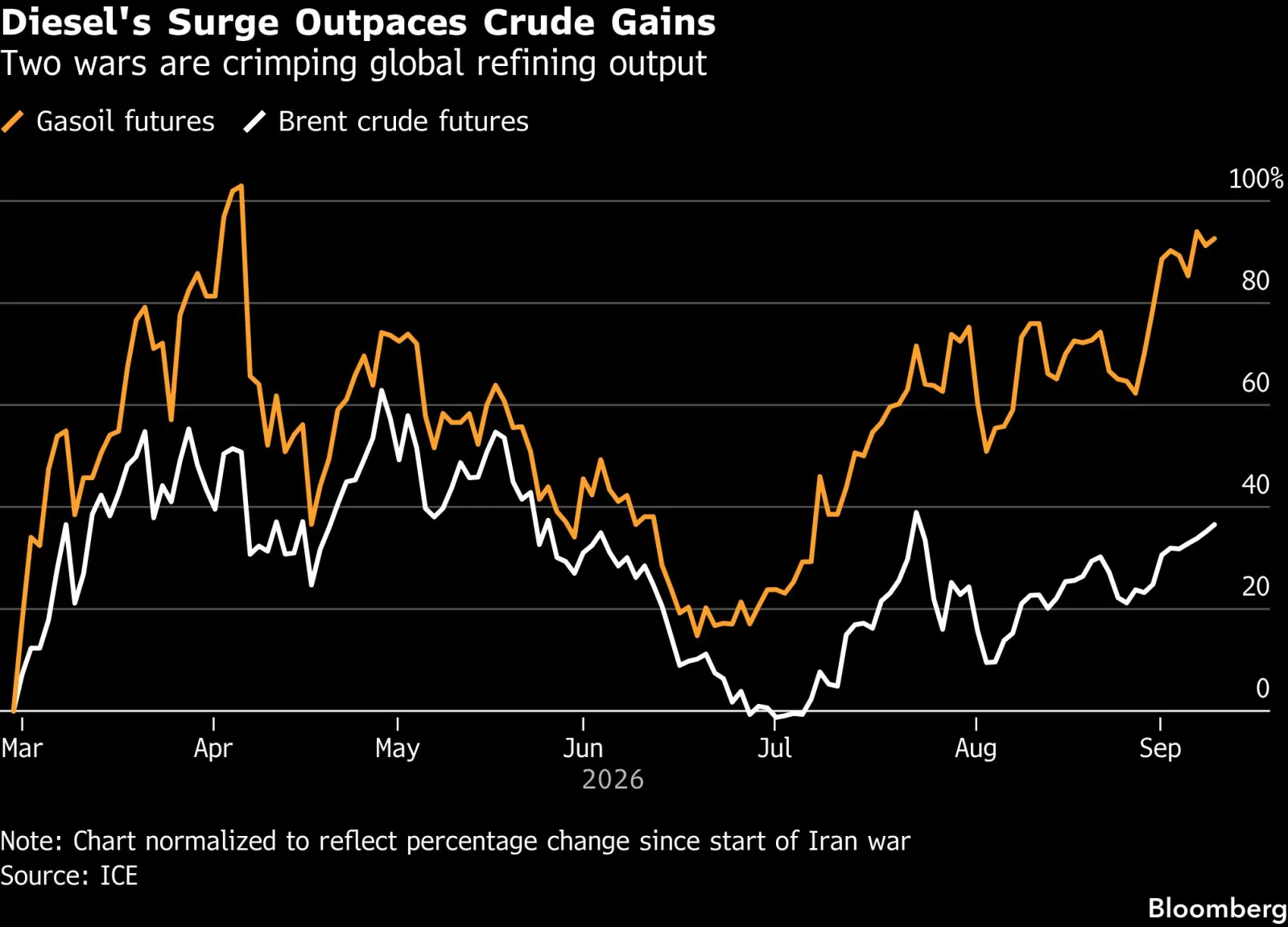
Currently, the diesel crisis has become one of the main economic challenges, with its effects rapidly spreading. This crisis has not only led to rising prices but has also forced consumers to reduce consumption. In fact, the increase in diesel prices can fuel a vicious economic cycle where transportation and production costs rise uncontrollably.
Pressure on Industries and Households
Industries that rely on diesel, especially in the transportation and agriculture sectors, are under significant pressure. With rising fuel costs, these industries will have to increase their product prices, which in turn will negatively impact households' purchasing power. This situation could lead to a decrease in demand and consequently a reduction in production and employment.
Future Outlook
Experts predict that if this crisis continues, fuel-importing countries may face even more serious challenges. Governments must take immediate measures to manage this crisis; otherwise, its economic repercussions could last for years. This crisis will not only be detrimental to domestic producers but also to consumers and related industries.
It seems that to address this crisis, long-term and sustainable solutions must be prioritized. From strengthening transportation infrastructure to investing in alternative energy sources, all these actions can help improve the current situation. Otherwise, the future of the global economy will face serious and unpredictable challenges.