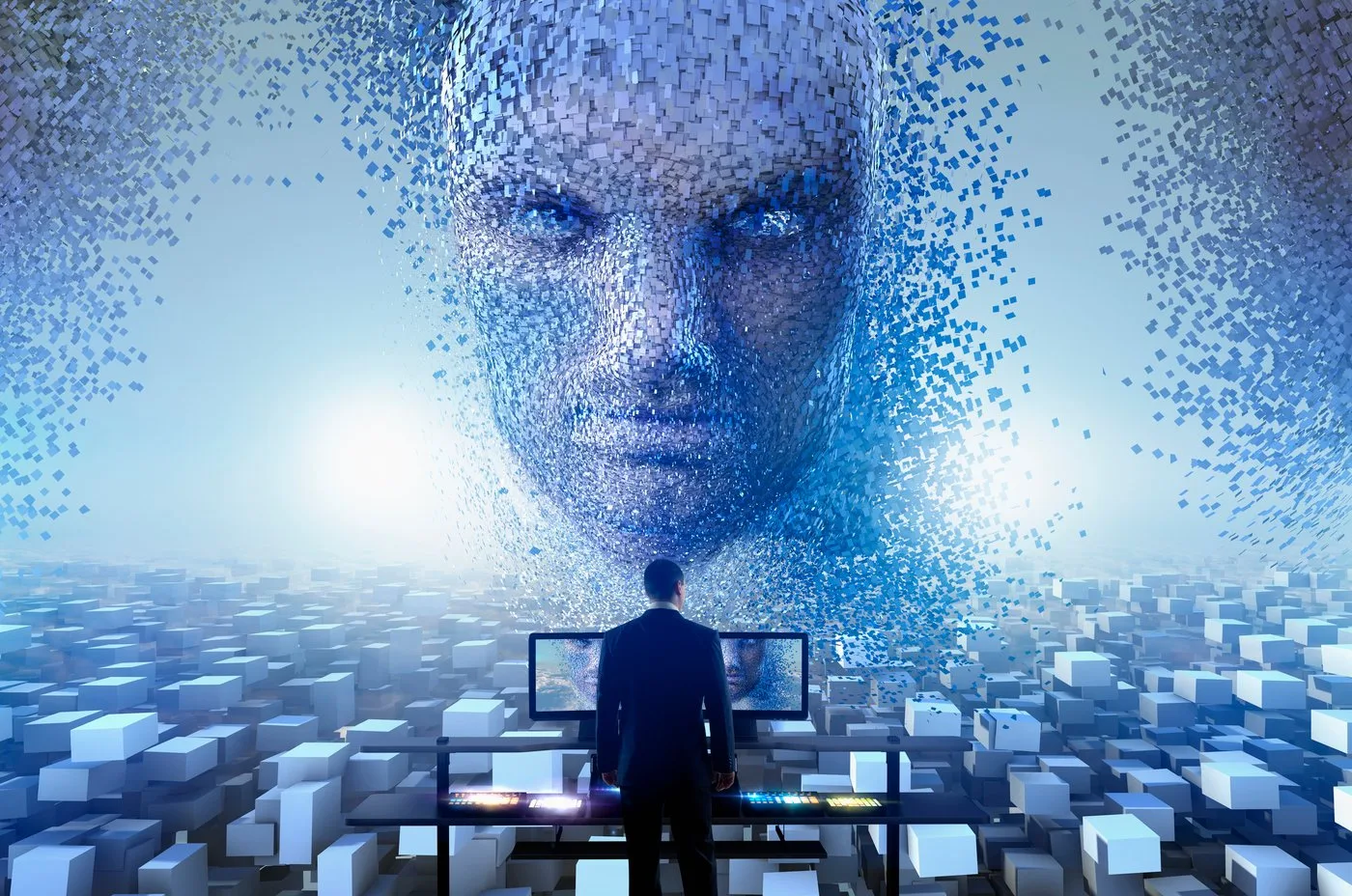
Following Dolly Parton's death in late August, the online space has become a platform for the release of artificial and simulated works. These works include songs, images, and videos that have been entirely produced by artificial intelligence and are rapidly being shared on social media and various websites.
Negative Impacts on the Memory of Dolly
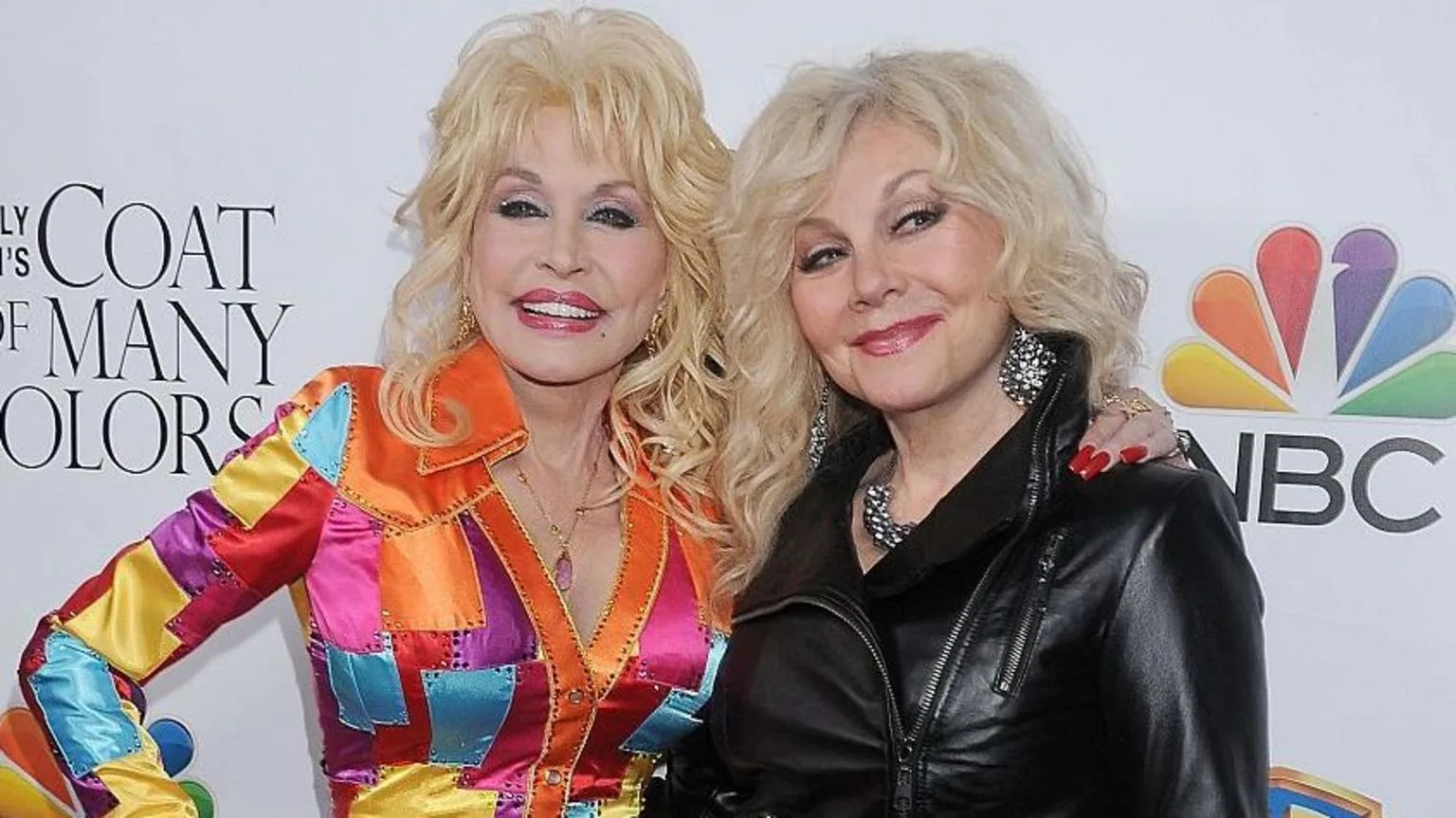
Dolly Parton's sister has recently expressed concern over this situation, calling for an end to these "garbage posts" that are recognized as works of this great artist. She views this type of content not only as an insult to Dolly's memory but also as a harm to her cultural and artistic legacy. While many of Dolly's fans are honoring her and her works, these artificial productions only contribute to confusion and disrespect towards her memory.
Artificial Works and Their Ethical Challenges
This trend has raised new ethical and legal challenges. Can AI-generated works truly be accepted as art? Does this type of content help preserve Dolly's memory, or does it merely undermine her credibility? These questions arise as technology advances and shifts the boundaries of creativity, but does this progress mean respecting the great artists of the past?
Ultimately, there is a need for a serious dialogue about the ethics of using artificial intelligence in the world of art and music. Dolly Parton's sister rightly pointed out that these artificial works cannot replace the emotions and true spirit of artistic creations. In this fast-paced digital world, it is more essential than ever to remember the importance of respecting artists and their works.