The Federal Reserve of the United States recently raised interest rates for the first time in three years, raising new questions about the future policies of this central bank. According to new forecasts released by the Federal Open Market Committee, a decisive majority of policymakers have indicated the possibility of raising interest rates once more this year.
Market Expectations and Analyses
Analysts believe that the Federal Reserve will raise rates again in December. According to Neworldin Alhamouri, senior market strategist at Equity Group, the main question is how much the Federal Reserve wants to raise rates. He stated, "If inflation continues its upward trend, current forecasts may act as a floor for the rate hike period."
Read more: 28% Increase in Japan's Imports and 19.3% Growth in Exports
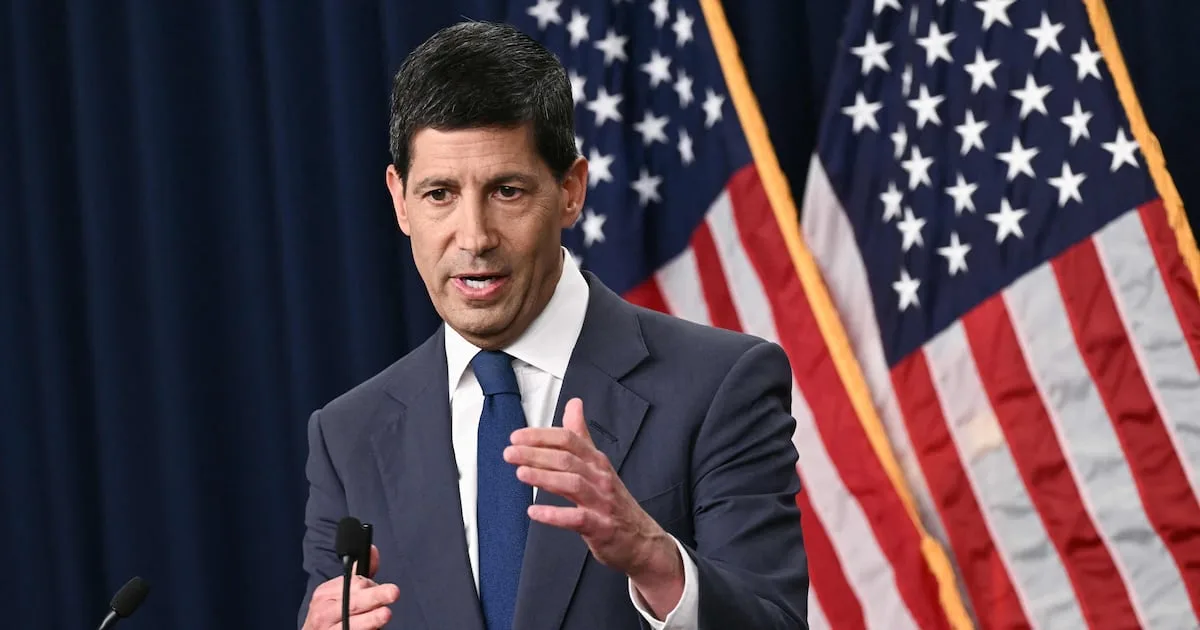
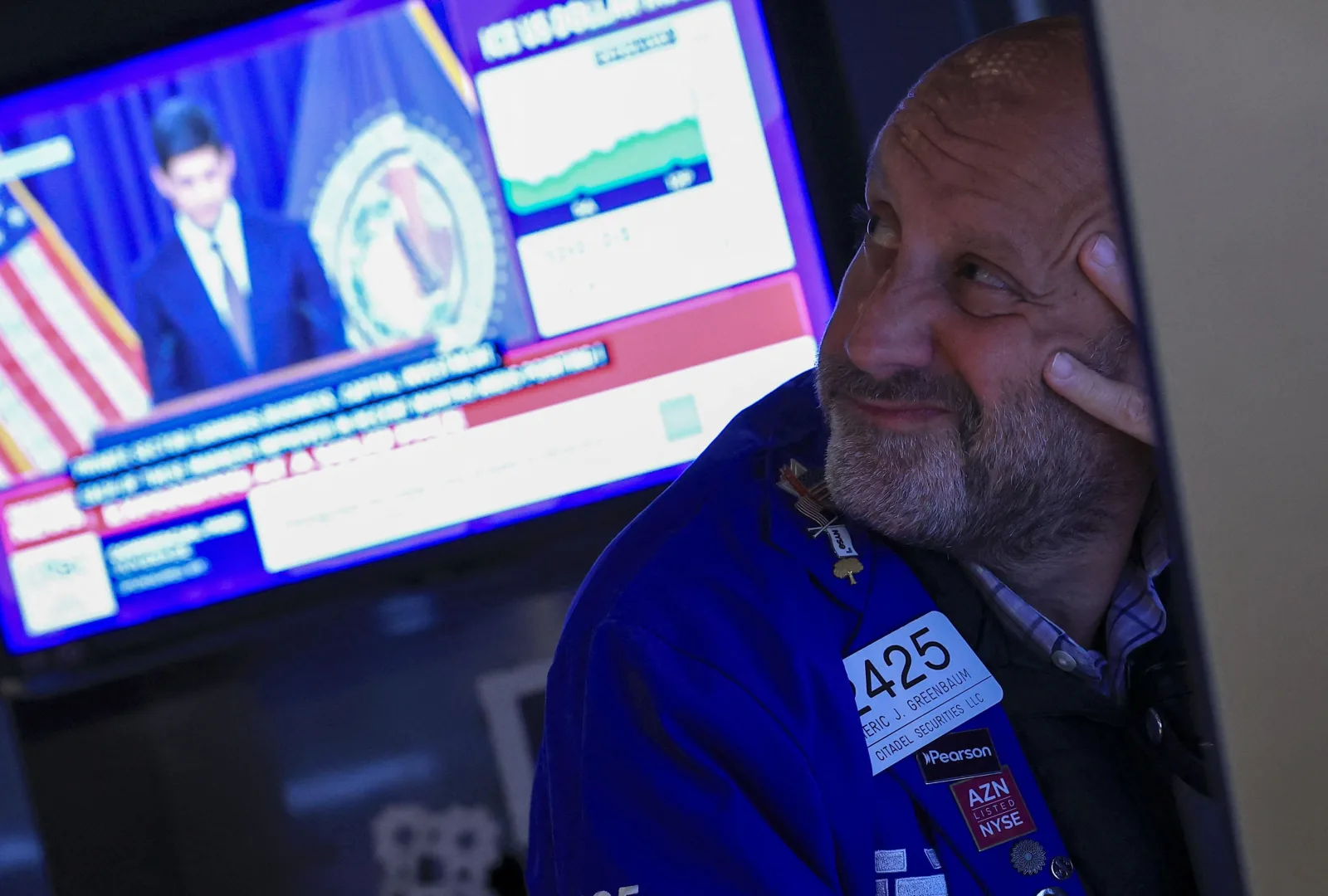
The dot plot that the Federal Reserve publishes quarterly indicates the forecasts of 19 members of the Federal Open Market Committee regarding short-term interest rates. After Mr. Varsh's press conference, the yield on 10-year bonds increased by more than 2 basis points, reaching 5.025%. Additionally, the yield on 2-year bonds, which closely depends on the Federal Reserve's future decisions, rose by more than 7 basis points to 4.74%.
Inflation Challenges and Federal Reserve Policies
The last round of interest rate hikes by the Federal Reserve in 2022 was aimed at combating rising inflation caused by energy shocks and supply chain issues following COVID-19. At that time, inflation exceeded 9%, and the Federal Reserve raised rates from near zero to a range of 5.25% to 5.5%.
However, the Federal Reserve has still not been able to bring inflation back to its long-term target of 2%, and shocks from rising energy prices due to the war in Iran have created new price pressures. This central bank typically looks temporarily at inflation increases caused by energy, but the rise in oil prices to $100 per barrel and the increase in government debt led to a 12-0 vote among committee members to raise rates.
Michael Pierce, chief economist for the United States at Oxford Economics, stated that the Federal Reserve's recent decision is viewed more as risk management rather than a series of new stringent measures. He added, "We do not think this is the beginning of another major rate hike period, and markets have priced in a lot for next year."
New forecasts from the Federal Reserve indicate that while tighter policies are expected to continue for a longer period, further rate hikes are not anticipated next year. According to these forecasts, the federal funds rate should decrease to 3.9% in 2028 and 3.6% in 2029.
However, the Federal Reserve's dot plot should be viewed with caution. This chart displays the estimates of committee members and does not guarantee the direction of future policies. Mr. Varsh, who is opposed to the dot plot, announced that he did not provide his forecast this week, nor did he do so in June. This Federal Reserve decision-maker has adopted a communication strategy that includes providing the market with some signals about future policy.
Read more: Suez Canal Authority: COSCO Resumes South to North Transits · Why You Should Consider Buying a Mortgage Rate Reduction Option