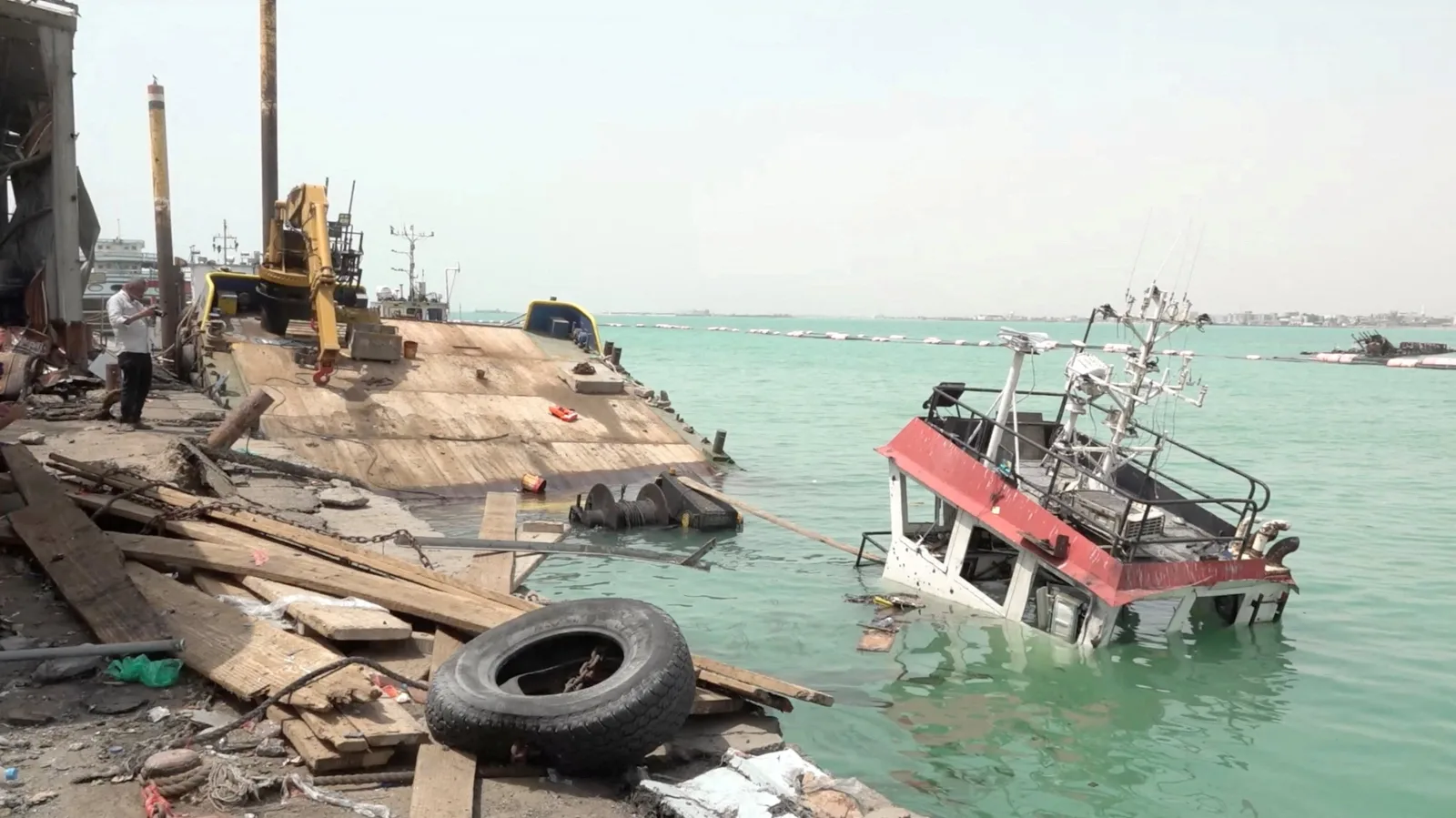
The war in Yemen, which began in 2014, has become one of the most complex and tense crises in the Middle East. Two volcanic islands in this country, named Socotra and Hanish, have become the focal point of international disputes. These islands hold extraordinary importance not only geographically but also politically and economically.
The War Over Resources and Influence
The Socotra Islands, with their unique ecosystem and rich natural resources, have attracted the attention of many countries. Due to their strategic position in the Arabian Sea and proximity to the Bab-el-Mandeb Strait, which is considered one of the most important maritime passages in the world, these islands have gained significant attention. In this context, the competition between Iran and the United States, two major global powers, for influence in this region benefits no one.
Iran has consistently supported the Houthis and is trying to expand its influence in Yemen. In contrast, the United States, by supporting the resigned Yemeni government and sending weapons to the country, is attempting to maintain the balance of power. This situation has turned Yemen into a battleground for proxy wars where global interests are clearly visible.
A Dark Future Awaits Yemen
With the continuation of these conflicts, Yemen's future appears extremely uncertain and bleak. The volcanic islands are not only a symbol of Yemen's natural beauty but have also become a focal point for the power struggles of major international powers. The main question is whether these islands can contribute to peace and stability in Yemen or whether they will continue to be a point of conflict and strife.
Ultimately, the Yemen crisis should be seen as a reminder for the global community; a reminder that local disputes can sometimes turn into larger games that affect the fate of millions.