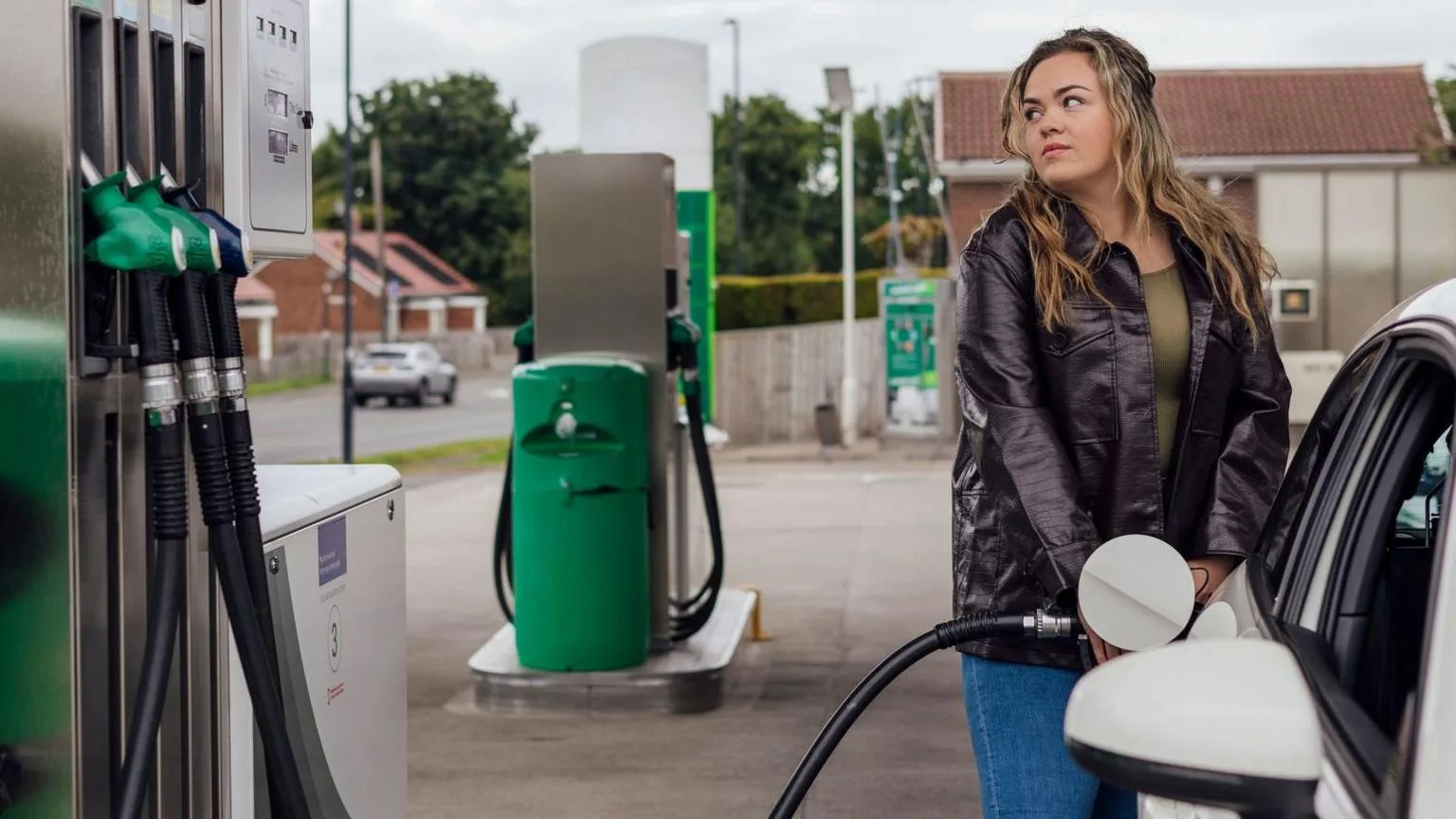
Gasoline prices in the UK have significantly increased in the past week, reaching 167.17 pence per liter. This 5 pence increase is the largest weekly rise since April and reflects the impact of the war in Iran on the oil market.
War and Oil Price Volatility
With escalating tensions in the Middle East, particularly in Iran, the oil market has come under pressure, which is clearly reflected in gasoline prices. Oil price volatility due to uncertainty in securing energy resources has led consumers in the UK to face rising prices.
Analysts believe that this increase in gasoline prices is not solely the result of political tensions but also depends on other economic factors. The growth in global demand, especially after the easing of restrictions due to the COVID-19 pandemic, has increased pressure on prices.
Challenges Facing Consumers
The effects of this price increase are clearly visible in the daily lives of people. Many households are now facing greater financial challenges, and transportation costs have become one of their main concerns. This situation has led to significant criticism from consumers and economic activists, raising concerns about the future of the oil market and gasoline prices.
While experts predict that this price volatility may continue in the short term, there is a need for serious measures from the government and relevant institutions to address this issue. Will the government be able to manage this crisis with appropriate policies? This is a question that currently remains unanswered.