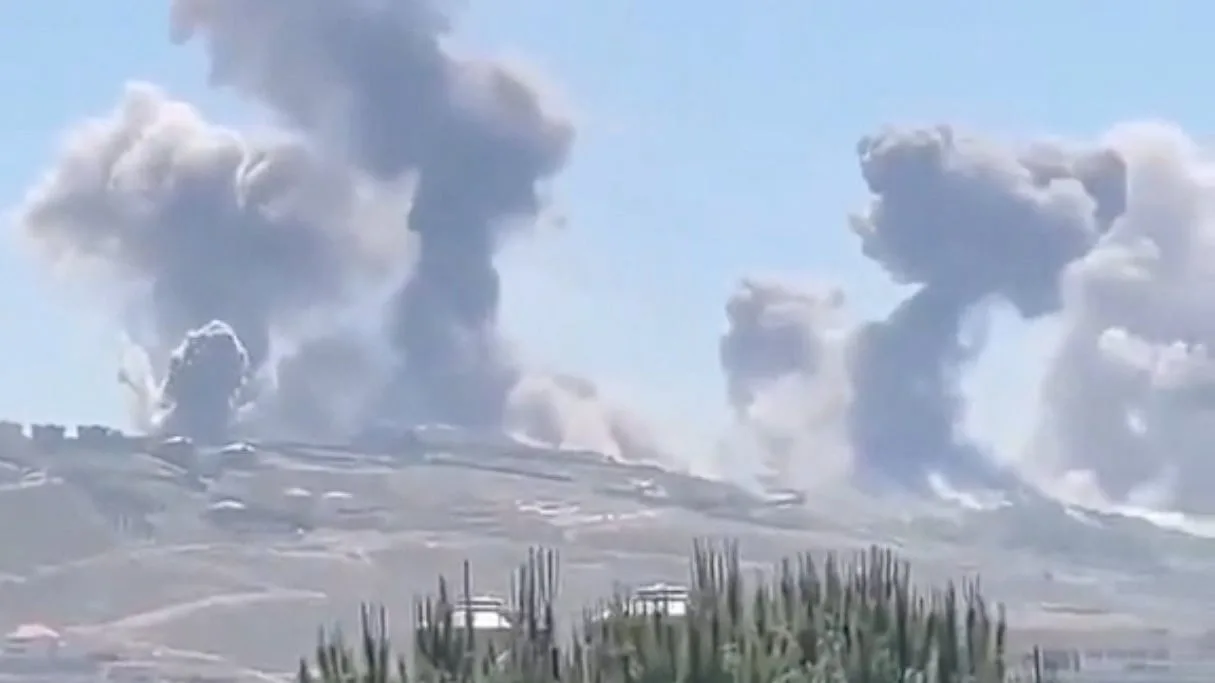
In a controversial move, Israel has announced that a new security zone in southern Lebanon has been fully established, following the destruction of Hezbollah's underground tunnels. These developments not only have military dimensions but could also have profound impacts on the relations between Lebanon and Israel.
Background and Recent Developments
Historical tensions between Israel and Hezbollah have intensified in recent years. Hezbollah, as an Iranian-backed militia group in Lebanon, has always been recognized as one of the main threats to Israel's security. In this context, the Israeli government has established a security zone in southern Lebanon, citing these threats and presenting this action as part of its defensive strategy.
According to Israeli military officials, the destruction of Hezbollah tunnels was carried out as a preventive measure against potential attacks from this group. These tunnels were used as logistical and transportation routes for the movement of troops and military equipment. These actions come at a time when Israel is deeply concerned about Hezbollah's increasing military power.
Possible Consequences for Lebanon and the Region
These developments could lead to increased tensions in Lebanon. Hezbollah, which sees itself as the defender of Lebanon against Israel, is likely to react to this action and may engage in retaliatory attacks in response to these developments. This could exacerbate humanitarian and security crises in Lebanon, a country already grappling with economic and social challenges.
On the other hand, this Israeli action may also provoke international reactions. The global community, especially Western countries that have always been concerned about stability in the Middle East, is closely monitoring these developments. In this regard, there may be pressures on Israel to reduce tensions and prevent the escalation of crises in the region.
Ultimately, this Israeli action not only affects bilateral relations with Lebanon but could also influence the power structure in the Middle East and the way different countries interact with one another. In the current situation, security in this region is more at risk than ever, and any mistake could lead to a larger crisis.