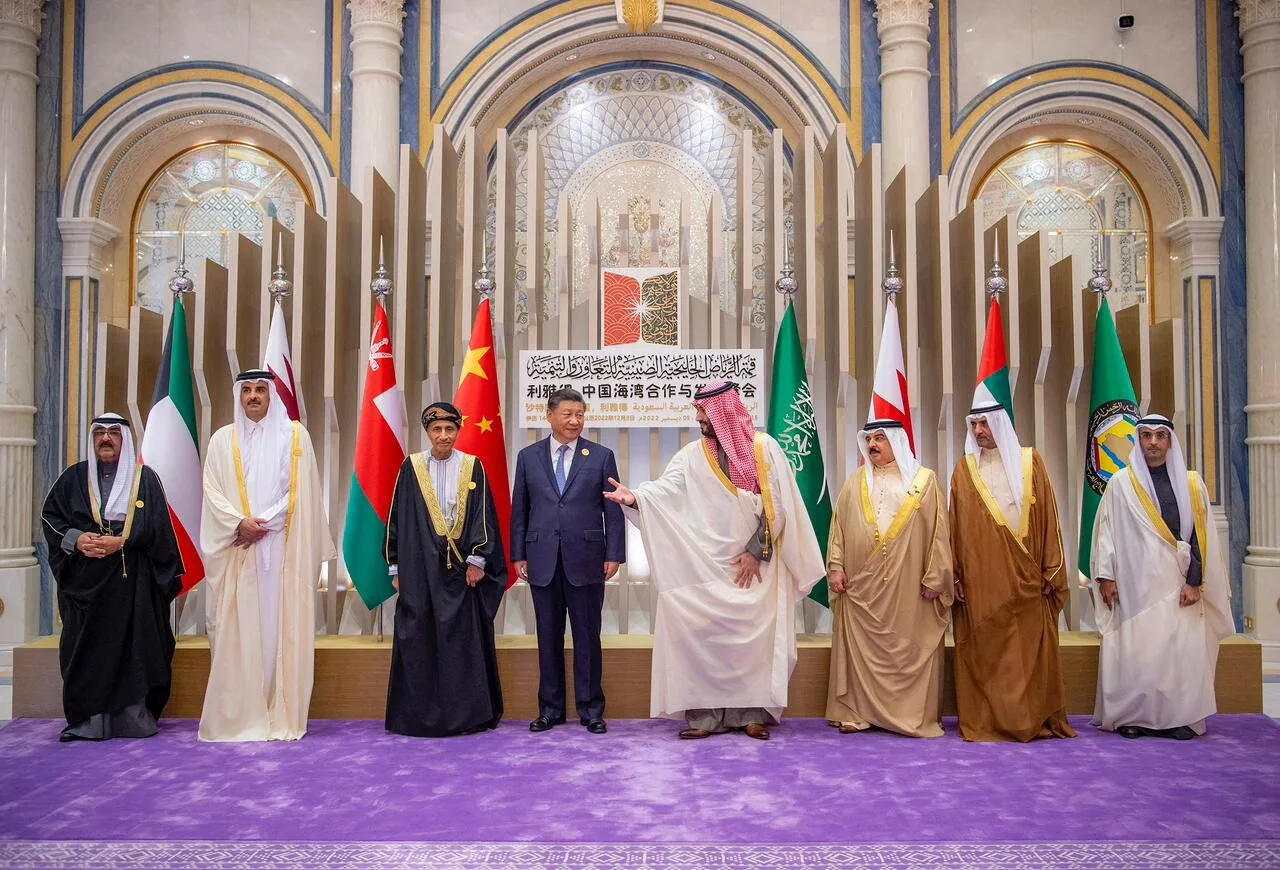
Khalid Al-Jaber, Executive Director of the Middle East Council for Global Affairs, elaborated on the current state of China's influence in the Gulf in an analytical note. He pointed out that China's diplomatic calendar for this year reflects the growing weight of this country in the international arena. The recent visit of the Prime Minister of Qatar to Beijing and meetings of high-ranking officials from the UAE and Saudi Arabia indicate the expanding role of China in this region.
Competition Among Global Powers
The Gulf region, which has traditionally collaborated closely with the United States, is now witnessing increasing competition between two global powers. However, this competition does not mean that China is seeking to militarily replace the U.S. China aims to enter this market through trade and technological tools and intends to align with the developmental programs of the regional countries.
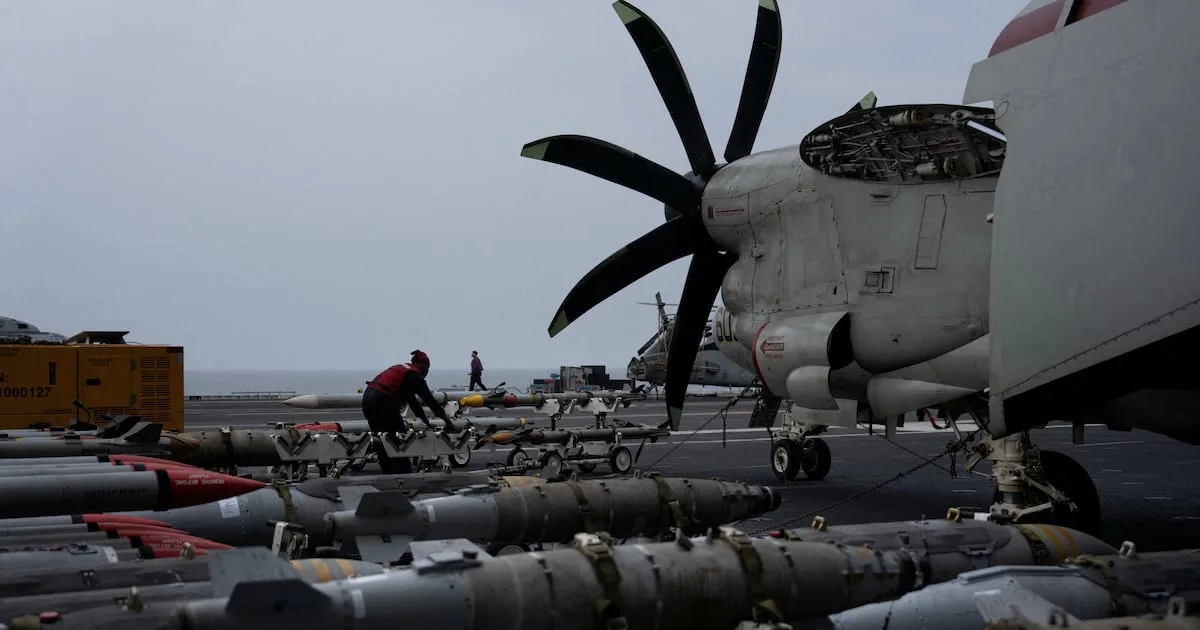
Khalid Al-Jaber emphasized that the United States remains the most important military partner for the Gulf countries, and its defense treaties and intelligence communications are among the main pillars of the region's security architecture. He also noted that China, benefiting from the security provided by Washington, has no desire to engage in military competition in the Gulf.
Development of Economic Relations
The Executive Director of the Middle East Council added that instead of replacing the U.S. security system, China is focusing on creating economic leverage. For example, the stake of the state-owned company COSCO in the Khalifa Port terminal in Abu Dhabi and its entry into renewable energy and digital infrastructure sectors demonstrate China's economic strategy in this region.
Al-Jaber also stressed the importance of diversifying the relationships of Gulf countries with various powers. These countries seek cooperation with the U.S. in security and Western technologies while simultaneously looking for consumer markets and investments from China to reduce their dependence on a single power.
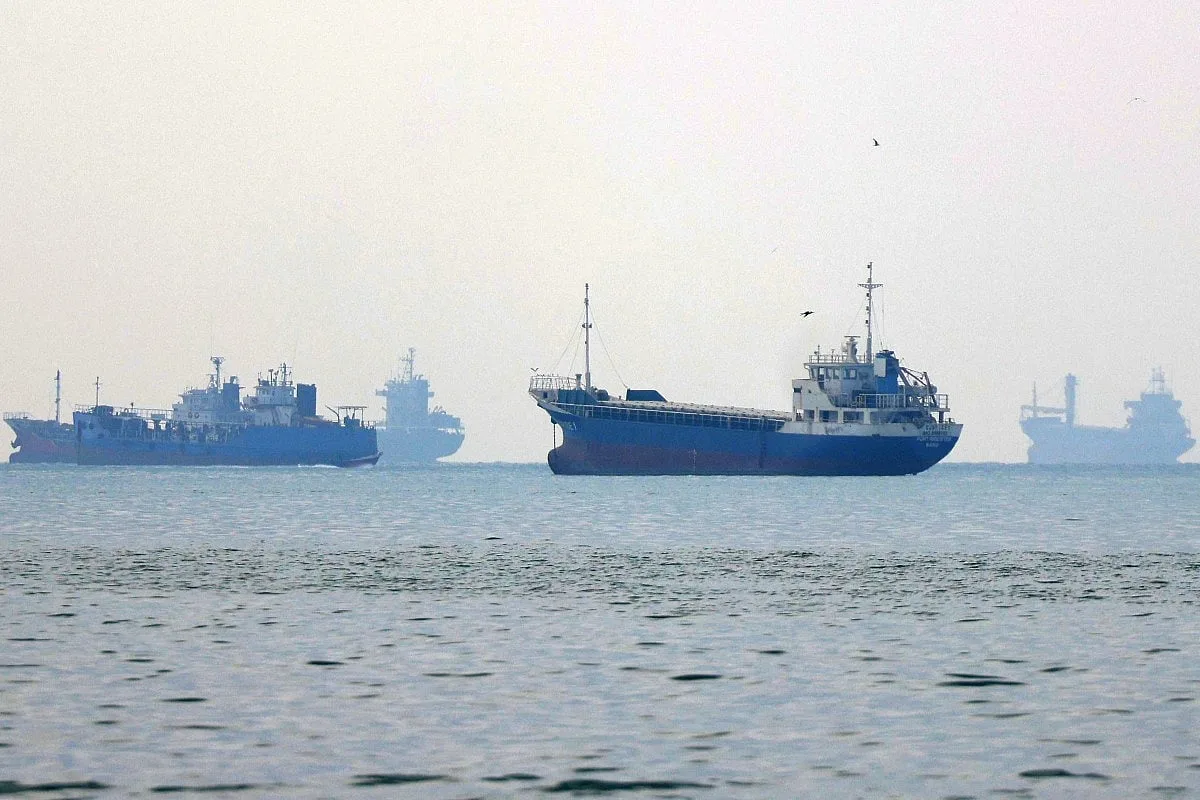
He added that the U.S. and Israel's war against Iran and disruptions in shipping through the Strait of Hormuz have highlighted the necessity of diversification for Gulf countries. This dependence on a single player can create serious vulnerabilities.
In conclusion, Khalid Al-Jaber emphasized that the United States should reconsider its assessment of strategic power. He believes that the determining question is not how many military bases a country has in the region, but how difficult it would be to remove that country from the regional system.
China is creating a different form of integration through trade and infrastructure. Al-Jaber noted that the best option for the United States is to engage in real competition instead of forcing Gulf countries to choose between Washington and Beijing, by offering superior technologies and deeper industrial partnerships.