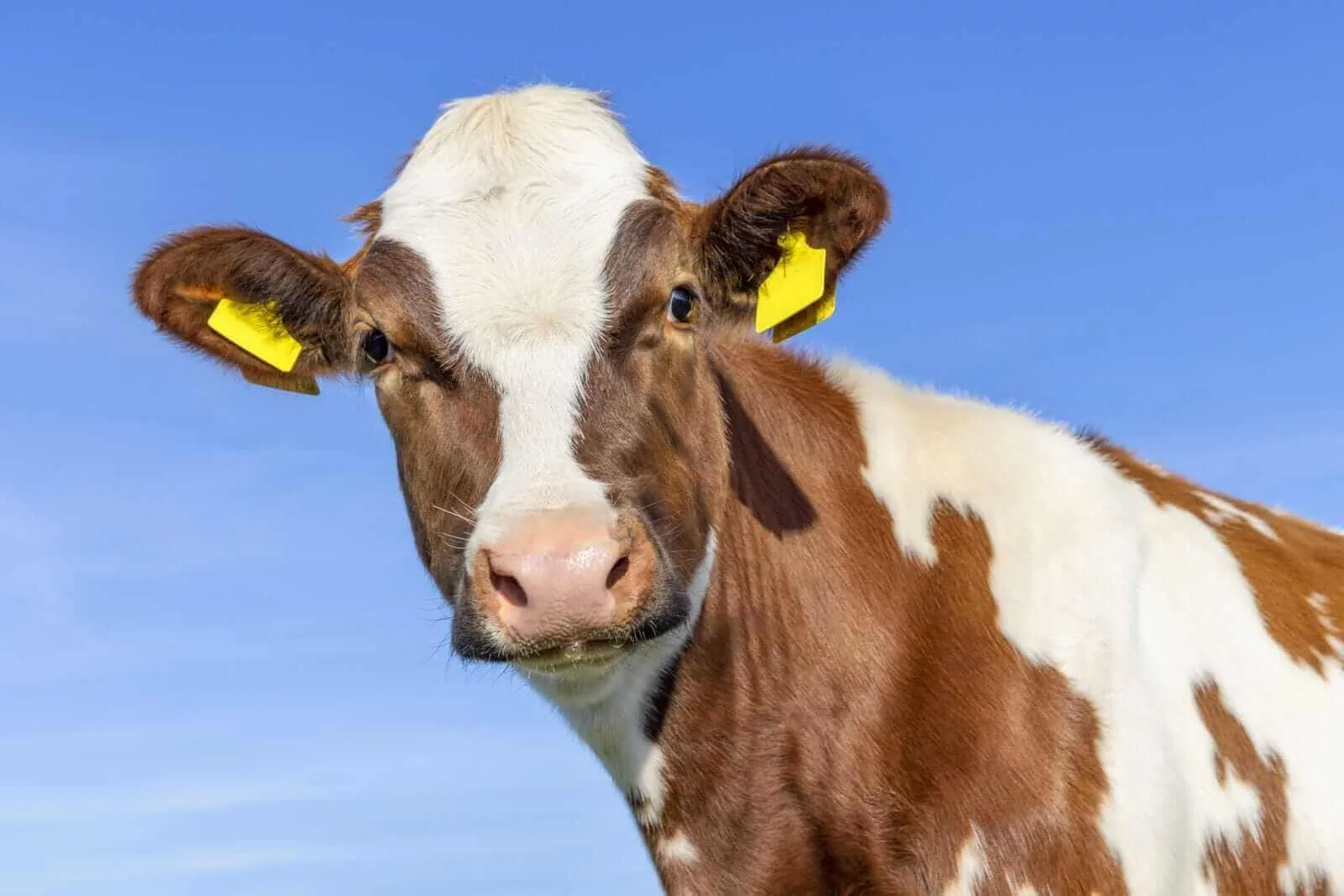
Live livestock prices have recently reached a two-week peak, attracting the attention of many economic actors and investors. In a situation where financial and commodity markets have experienced severe fluctuations, the increase in live livestock prices may be a sign of major changes in supply and demand.
Looking at the reasons for the price increase
Analysts believe that several factors have contributed to the increase in live livestock prices. One of the main reasons is the rise in production costs and supply constraints due to unfavorable weather conditions in some regions. Additionally, high demand for meat and livestock products in domestic and foreign markets has also contributed to this trend.
Considering that livestock farming is one of the key sectors of the economy in many countries, any fluctuation in live livestock prices can have widespread effects on other economic sectors. This issue is particularly important during times when food prices are rising.
The future of the live livestock market
Given the current trend, it is expected that live livestock prices will continue to experience fluctuations in the near future. This may be due to changes in trade policies, the global economic situation, and also domestic developments in the livestock industry. Market participants should closely monitor these developments to make timely and appropriate decisions.


