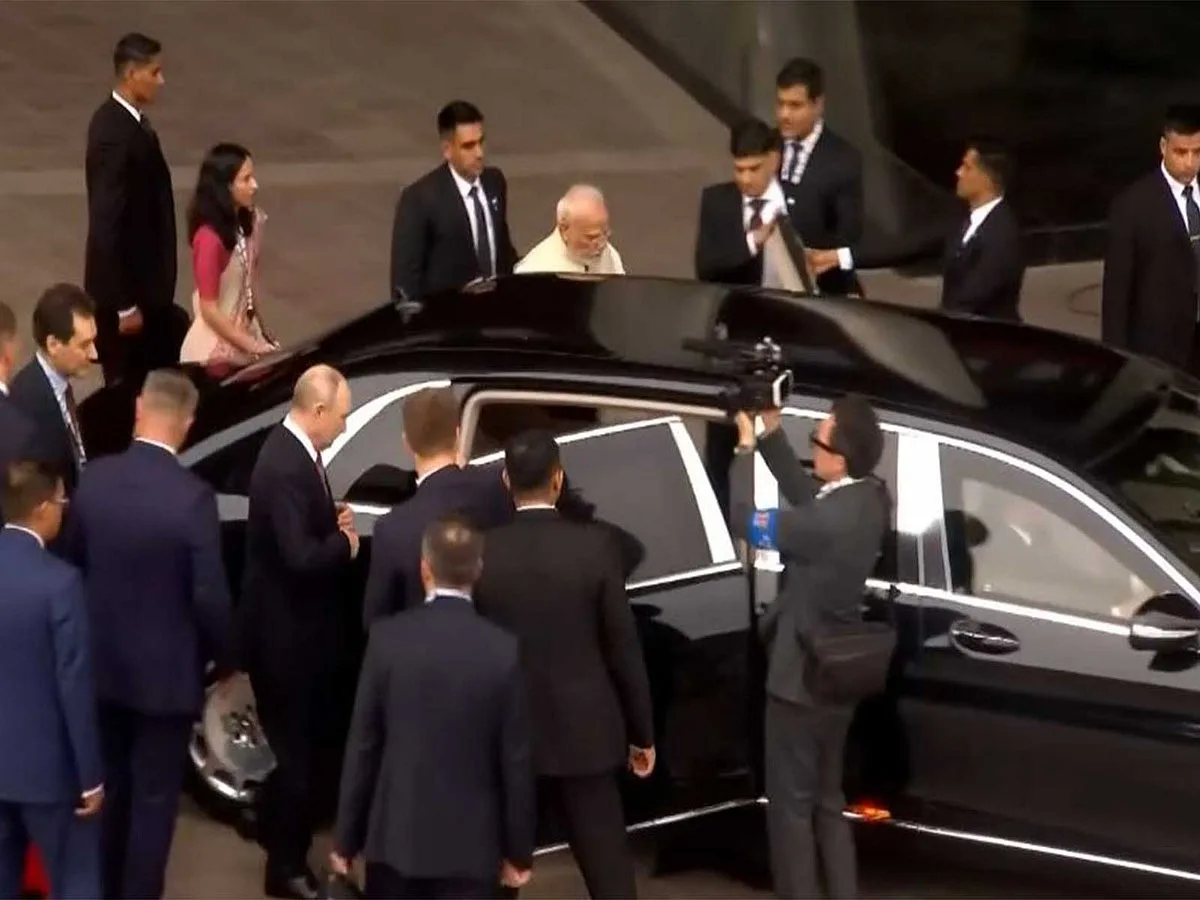
In the rapidly changing world of international politics, the relations between India and Russia have become one of the hot and controversial topics. Narendra Modi and Vladimir Putin, two of the world's major leaders, have shared a car four times this year. These joint rides are not only a symbol of the friendly relations between the two countries but also demonstrate the depth and breadth of their cooperation in various fields.
Expansion of Cooperation in Various Fields
The relations between India and Russia have significantly expanded, especially in military, economic, and cultural areas. The two countries continuously collaborate in international forums such as the Shanghai Cooperation Organization summits and BRICS talks. This cooperation benefits both countries; as India seeks to strengthen its global position, Russia aims to maintain its influence in Asia, particularly in South Asia.
Narendra Modi and Vladimir Putin are well aware of the power of their automotive diplomacy. These joint rides provide an opportunity for informal dialogue and closer connections. In fact, this type of diplomacy symbolizes the friendly and close relations between the two countries, allowing them to discuss important global issues.
Consequences of Automotive Diplomacy
Automotive diplomacy specifically has significant implications for international policies. These rides can be used as a tactic to reduce tensions and create a positive atmosphere in international relations. While many countries seek to establish tense relations, India and Russia demonstrate through this approach that they can come closer to each other despite having differing opinions.
Moreover, these joint rides positively impact public opinion in both countries. People in both nations take pride in this close relationship, which can lead to strengthening economic and cultural cooperation between them. With increasing cultural and economic interactions, the hope for enhancing relations between the two countries grows.
Ultimately, Modi and Putin's automotive diplomacy is not only a symbol of the close relations between India and Russia but also represents profound changes in international policies. In today's world, which is heavily influenced by global developments, these relations can serve as a model for other countries as well. Can this type of diplomacy help foster peace and stability on a global scale? This is a question that only time will answer.