On Friday, oil prices reduced some of their losses but are on track to remain above $100 for the second consecutive week. Brent crude, which benchmarks two-thirds of the world's oil, fell by 1.35% to $103.41 per barrel at 14:14 UAE time. West Texas Intermediate (WTI) also decreased by 0.39% to $101.51 per barrel. Both Brent and WTI saw price increases of over 2% earlier in the day.
Oil Market Analysis and Predictions
Considering the closing oil prices from last week, Brent is on track for a 1.15% decrease while WTI is expected to rise by 1.15%. Financial markets have largely ignored energy price fluctuations as, according to Hooi Wei Fok, investment director at DBS Bank Singapore, they have "currently priced in part of the $100 per barrel oil." He added: "For oil to have a significant impact on financial markets, it needs to reach $160, and we do not think this is a likely scenario."
Impact of Regional Tensions on the Oil Market
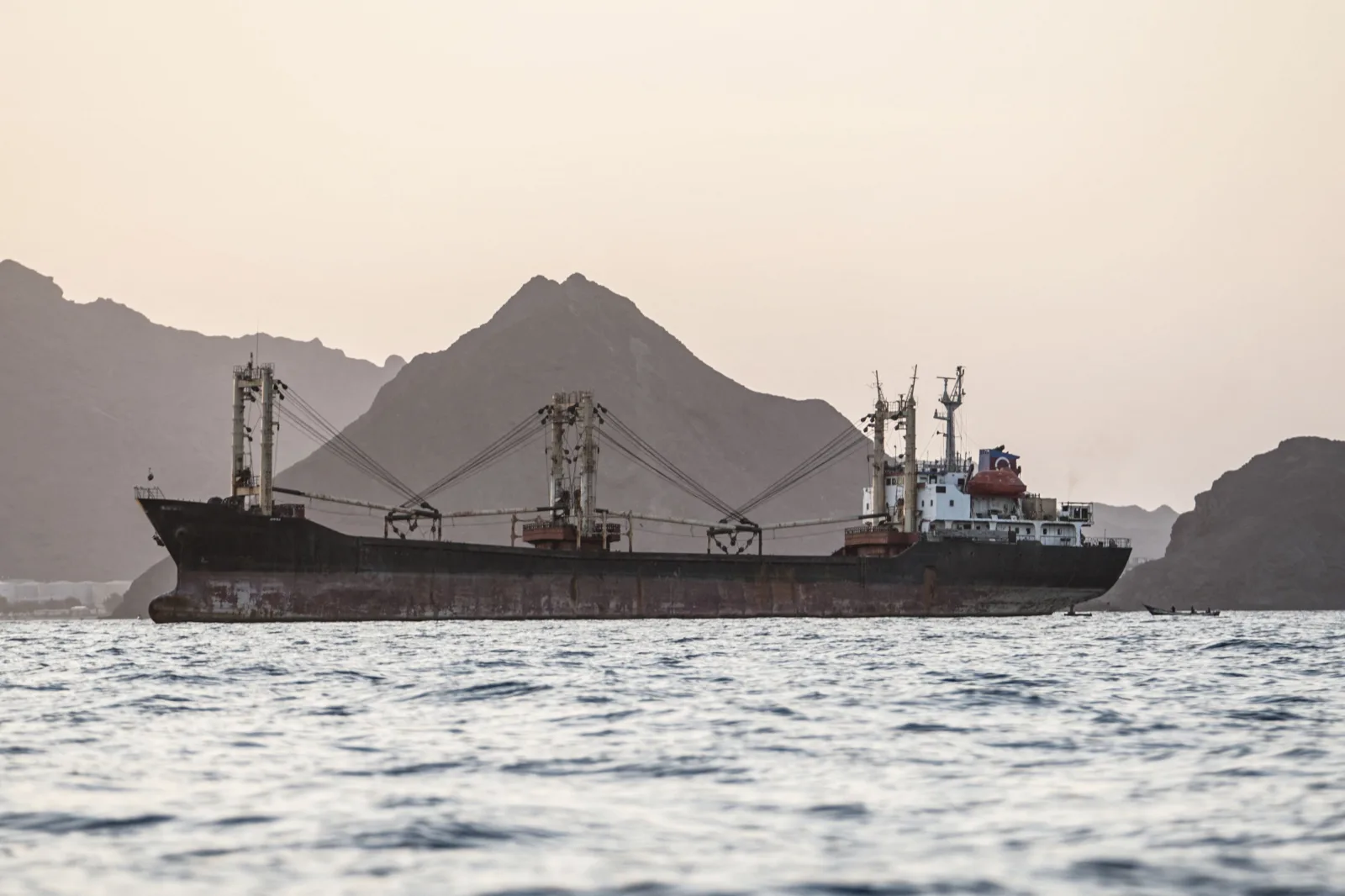
Oil prices continue to face declines as concerns about disruptions in Saudi oil supply have eased while stresses related to the escalation of conflicts in the Middle East have increased. Conflicts between Saudi Arabia and Houthi militants in Yemen have resumed. This price drop occurred after prices approached $110 per barrel on Monday when Saudi Arabia had closed its East-West pipeline following attacks. This issue blocked a vital route for oil exports and heightened concerns about a global supply shortage.
On Thursday, Saudi civil defense officials reported that one person was killed and two others injured due to the fall of debris from a Houthi drone in Al Taif province. This is the first reported death in Saudi Arabia since the Houthis resumed their attacks on the country. However, the Houthis are in contact with U.S. officials to ensure that their group's seizure of the Red Sea coast overlooking the Bab el-Mandeb Strait will not lead to attacks on American ships.
On the other hand, Tehran announced that it would not reopen the Strait of Hormuz as long as Donald Trump, the President of the United States, and Benjamin Netanyahu, the Prime Minister of Israel, are in power. Mohammad Baqer Zolghadr, a political advisor to Supreme Leader Ayatollah Ali Khamenei, made this announcement in a statement.
Oil has reacted sharply to developments surrounding a potential solution. However, with no agreement in sight, prices carry a significant geopolitical premium. Negar Hassan, a market analyst for the Middle East and North Africa on the eToro trading platform, stated: "The oil outlook over the next six months heavily depends on the direction of the conflict." He added: "Escalation of conflicts around the Strait of Hormuz or Bab el-Mandeb, as well as continued Ukrainian attacks on Russian refineries, could increase the risk of a real supply shortage and keep prices above $100 per barrel, especially as reserves are currently low. A sustained reduction in tensions is the clearest scenario that could lead to lower prices."
At the same time, gold rose for the second consecutive day on Friday, reaching its highest level in a week. This increase is due to ongoing investor analysis of Middle Eastern developments and falling oil prices. The precious metal, known as a safe-haven asset and a hedge against inflation, rose by 0.41% to $4,378.48 per ounce. Silver also increased by 2.16% to $67.02 per ounce.