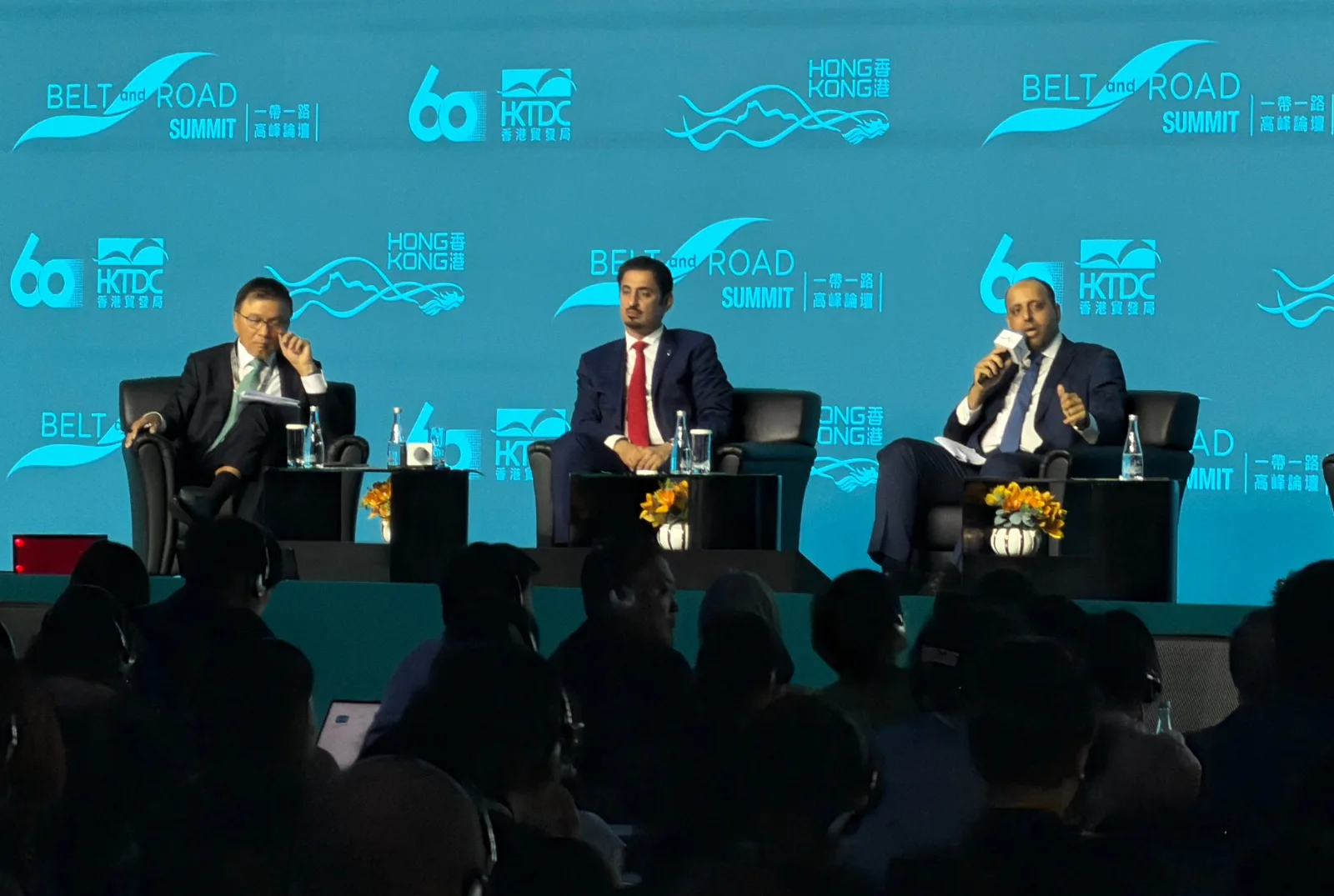
Qatar and Oman are striving to leverage the financial capacities of the Middle East, particularly Islamic tools, to support infrastructure projects in developing countries. This initiative could help countries in Asia, Africa, and Latin America fill their financial gaps.
An Opportunity for New Financing
According to the CEO of the Qatar Financial Centre, the use of Sharia-compliant financial tools can serve as an effective solution for capital provision. He noted that Middle Eastern countries, due to their high financial balances and good revenues, can act as a regional hub for financing infrastructure projects in developing countries.
Although Islamic financing is not yet as popular as traditional banking tools, it presents an opportunity that has not been fully utilized. This type of financing can act as a complementary means alongside conventional financing models and help meet the global demand for infrastructure development.
A Bright Outlook for the Future
According to recent reports, the Islamic finance industry is demonstrating significant global dynamism and momentum, with its value expected to reach $5.98 trillion by 2025. Saudi Arabia, as the largest issuer of Islamic bonds (Sukuk) in the world, accounts for 17% of the global total of these bonds.
However, it is still unclear how much Islamic financing is being utilized in Silk Road projects, but it could provide long-term opportunities to strengthen partnerships, especially in emerging markets. The ultimate goal is for these regions to develop and create new opportunities, particularly in the realm of large-scale investments.