In light of rising tensions in the Middle East and ongoing threats from the Houthis, Saudi Arabia suddenly decided to close its East-West oil pipeline. This action not only has profound implications for the global oil market but is also seen as a sign of increasing tensions in this volatile region.
Details of the Attacks and Their Effects
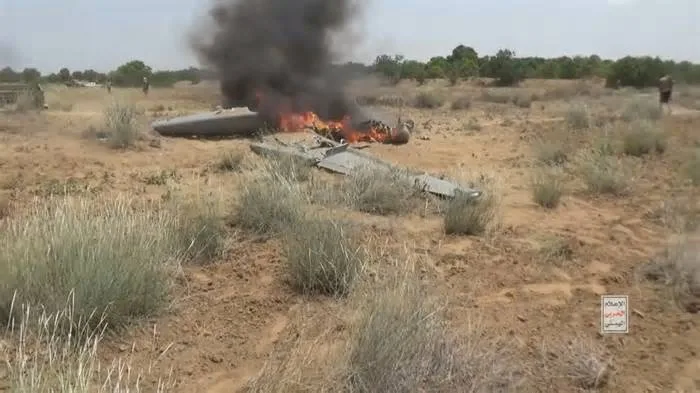
The East-West oil pipeline, which transports oil from the east to the western shores of Saudi Arabia, is one of the vital routes for the country's oil exports. In response to recent Houthi airstrikes on this pipeline, Saudi officials decided to block it to prevent any leaks or further damage. This decision could significantly impact Saudi oil exports and put pressure on global oil prices.
Analysts believe that this action by Saudi Arabia is a sign of growing concerns about energy security in the Middle East. With the war and conflicts in Yemen and its surroundings escalating, Saudi Arabia is increasingly exposed to military threats. This situation could have serious consequences for the global energy market.
Economic Consequences
Closing the East-West oil pipeline is likely to lead to an increase in global oil prices. Given that Saudi Arabia is one of the largest oil producers in the world, any disruption in its oil exports could have widespread effects on global economic stability. Experts predict that rising prices may lead to economic crises in countries dependent on oil imports.
Furthermore, this decision may result in a decrease in Saudi Arabia's oil export revenues. As the country heavily relies on oil revenues, any decline in these revenues could impact Saudi long-term economic plans. In particular, Saudi Arabia is seeking to diversify its economy and reduce its dependence on oil.
Future Outlook
Given the current conditions, the future of the Middle East is significantly influenced by recent developments. Saudi Arabia must adopt new strategies to address security threats and maintain its economic stability. The country also needs to continue diplomacy and negotiations to reduce tensions in the region to prevent further crises.
It seems that the future of this pipeline and its impacts on the global oil market will depend on the Houthis and political developments in the Middle East. In this tense situation, Saudi Arabia must seek ways to protect its interests in this vital market.