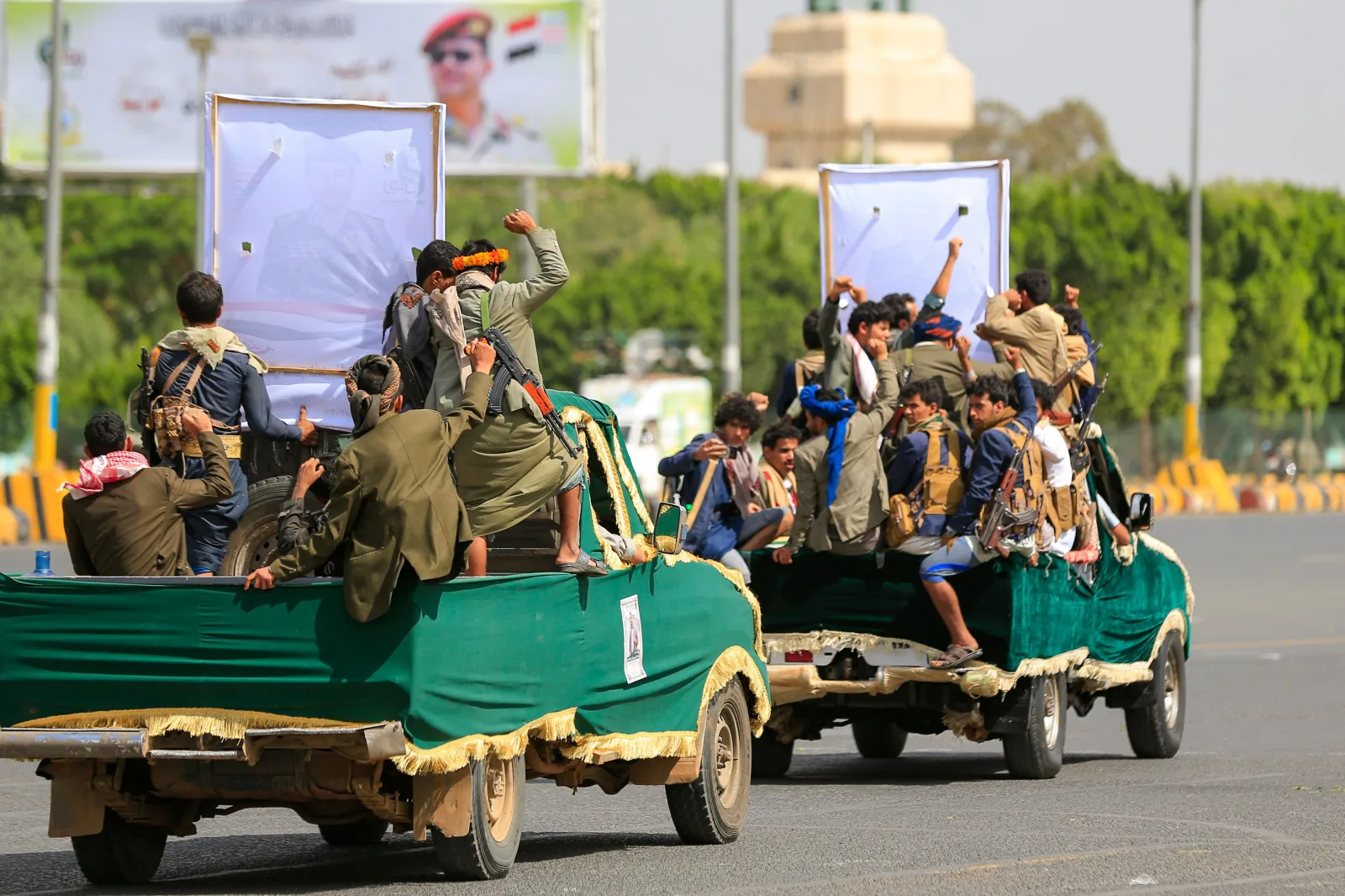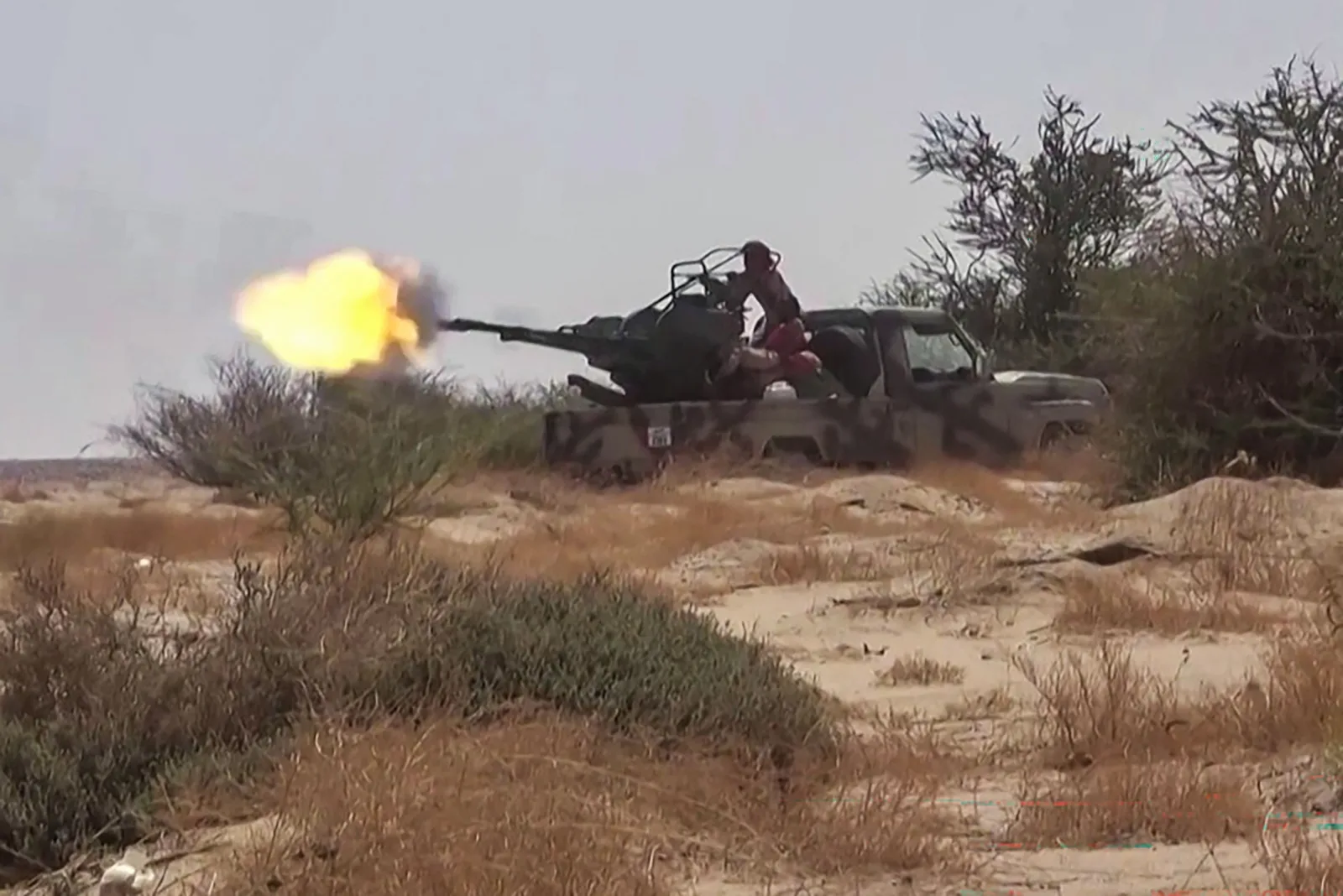
Saudi Arabia is seeking covert support from Western powers to counter the advances of the Houthis in Yemen. British officials have acknowledged that sending more troops to the region "is not politically appropriate" and that British military resources are severely limited. Currently, a number of British and Western personnel are secretly discussing assistance for the air defense of the country in Saudi Arabia.
Efforts to Strengthen Air Defense
Saudi Arabia is looking to enhance its capabilities to protect its territory and vital shipping routes in the Red Sea from Houthi attacks. However, according to Sasha Bruchman, an analyst at the International Institute for Strategic Studies, neither Europe nor the United States seems prepared to undertake new military operations. He added, "I don't think the Europeans have additional capacity either, and there is still no political commitment that could translate into tangible military operations."
Military Commitments and Limitations
The United States is also heavily committed to its operations to reopen the Strait of Hormuz, which limits its ability to rapidly deploy forces in the Red Sea. Bruchman noted that Western countries are "busy" and the United States cannot divert its forces committed to operations in the Strait of Hormuz. While the Americans are looking for ways to increase oil exports from the Strait of Hormuz, the Houthis have opened a new front in the Bab al-Mandab Strait.
Tom Sharp, a former commander of the British Navy, stated that the United States likely does not want to open another military front. He believes that the experience of the war with Iran has now made the United States reluctant to enter such a battle. Currently, Britain has the HMS Dragon, a Type 45 air defense destroyer, and the mine countermeasures support ship Lyme Bay in the Arabian Sea, but Sharp pointed out that there are no other options available for deployment and there is no willingness for further deployment in Whitehall.
Bruchman also stated that no one is interested in entering the ground in Yemen. Currently, Saudi Arabia expects to focus on strengthening its forces that are currently fighting the Houthis and supporting the internationally recognized Yemeni government. He estimated that Saudi forces could conduct about 60 sorties a day, but the problem is that they need satellites and electronic intelligence to better identify targets.
Dr. Neil Quilliam, an expert on energy and Gulf security, noted that Saudi Arabia is "heading towards an export crisis rather than a production crisis." He added that Britain and Europe have limited military response capacity, although there may be a role for a stronger European military response, including airstrikes on Houthi military sites. This action could strengthen relations with Riyadh and other Gulf states and be presented as a protection for European economies from the consequences of prolonged energy disruptions.
However, Dr. Quilliam stated that there does not appear to be significant political willingness in Europe for a military role to be increased at this time. In response to the question of whether Britain would provide military assistance if requested, the Prime Minister's Office stated that it "will continue to work with partners to support regional stability." The office also added that British forces "are deployed in several theaters to help protect regional stability" but refrained from providing specific details about their operations.