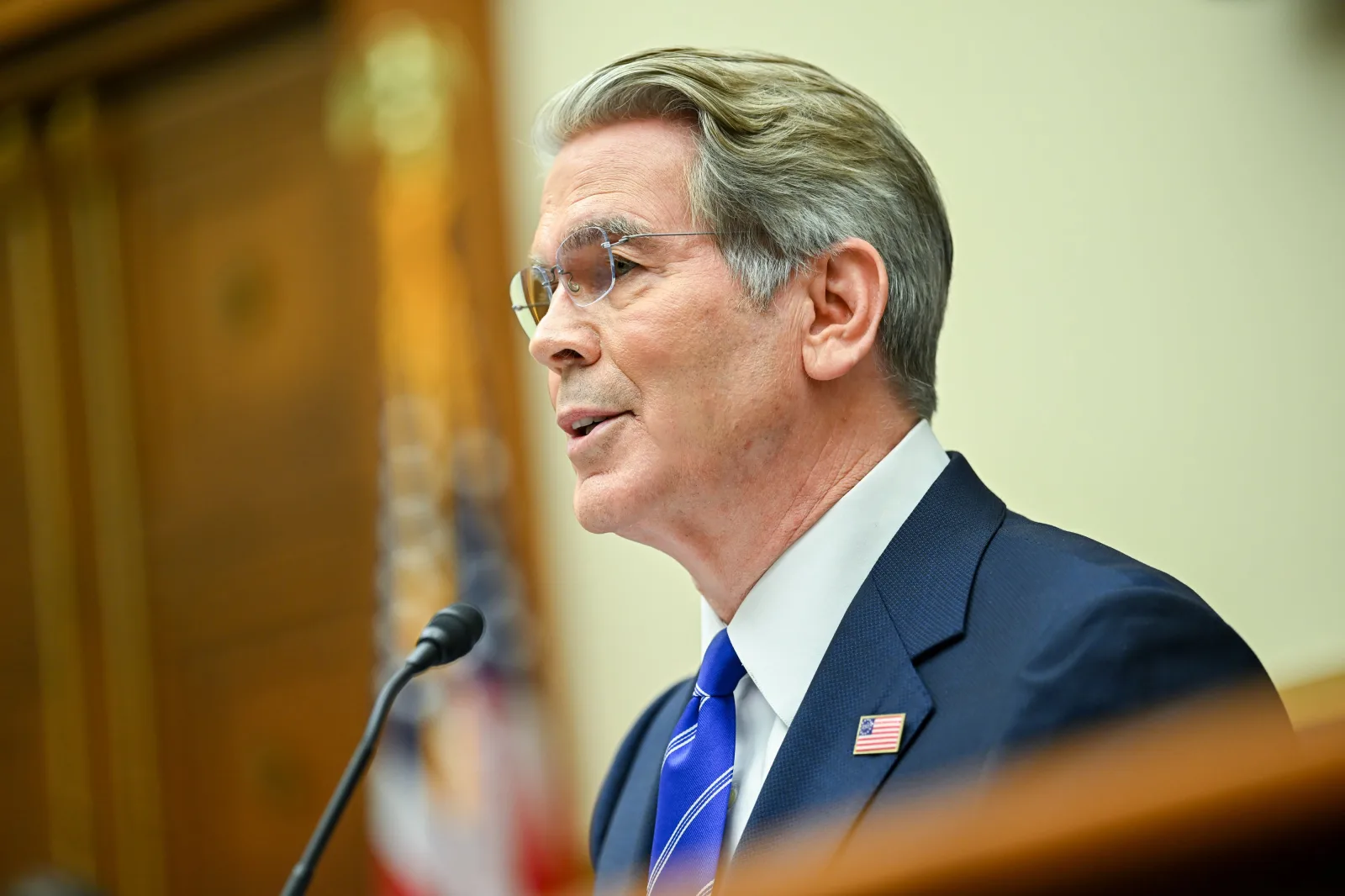
Scott Basset, the U.S. Treasury Secretary, announced that the United Arab Emirates (UAE) has suspended its financial and trade relations with Iran. This decision has been made particularly in the current circumstances where tensions in the region have increased, and Abu Dhabi continues to engage in dialogue and regional cooperation.
Impact of severing financial relations
The UAE officially announced in August that it would halt all trade exchanges and financial transactions with Iran until further notice. This decision was made due to escalating tensions in the region and concerns about its economic repercussions. Scott Basset stated in a session of the House Financial Services Committee that the UAE has clearly indicated that this decision is due to concerns regarding security and regional stability.
Read more: Tabbi financial advertisements reached a value of $6.5 billion
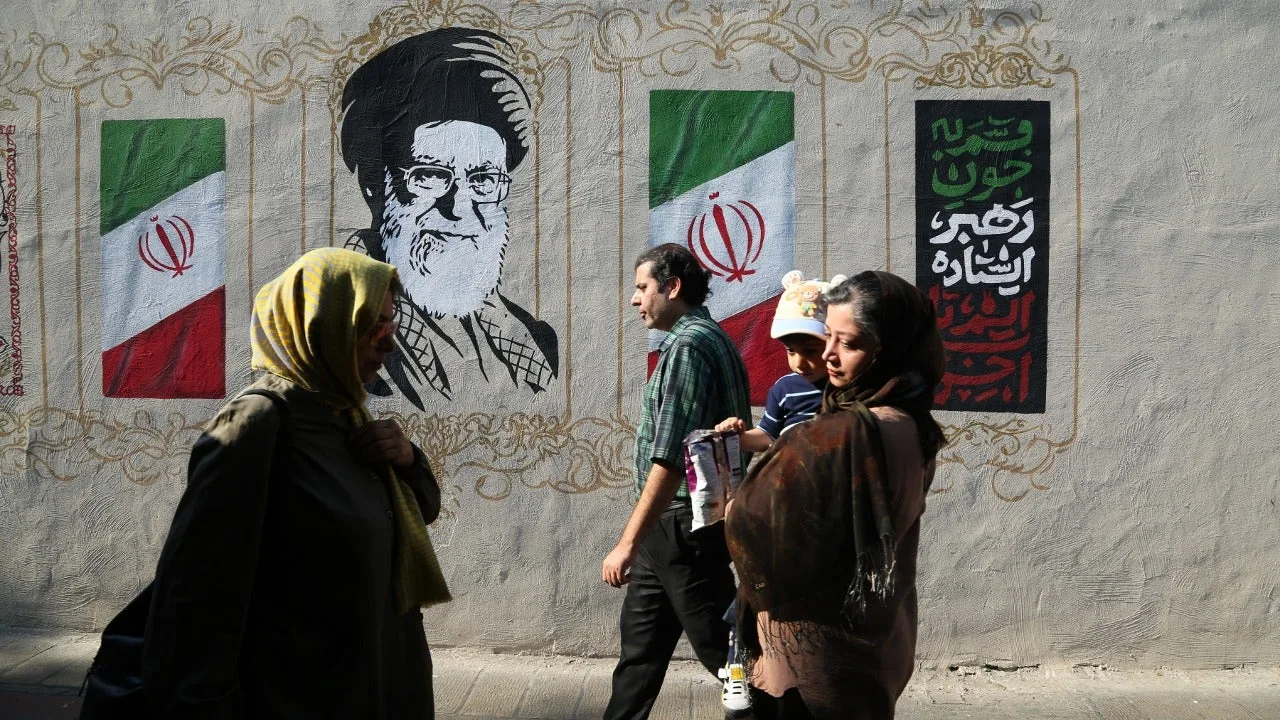
In this context, one of Basset's deputies recently met with UAE financial officials and had positive discussions. This comes as the UAE has become one of the most important trade and financial routes for Iran in recent years, and severing these relations could have significant impacts on Iran's economy.
Financial talks with China
Another part of Basset's remarks concerned the financial relations between Iran and China. He noted that negotiations are currently ongoing with He Lifeng, the Vice Premier of China, and the topic of financial relations with Iran will be discussed in these talks. These negotiations are taking place ahead of the upcoming meeting between U.S. President Donald Trump and Chinese President Xi Jinping.
Basset also pointed out that China has been the largest buyer of Iranian oil in recent years and is considered one of the main challenges for the U.S. in enforcing sanctions against Tehran. Given these developments, Washington is trying to limit Iran's access to China's financial and trade networks, but so far has refrained from imposing broad sanctions against major Chinese banks.
Moreover, the Trump administration has increased economic pressures on Iran since late August, and countries and companies that continue to trade with Iran may face secondary sanctions. These pressures have particularly expanded in the areas of gold, digital assets, technology, and shipping.
Consequences of rising energy prices
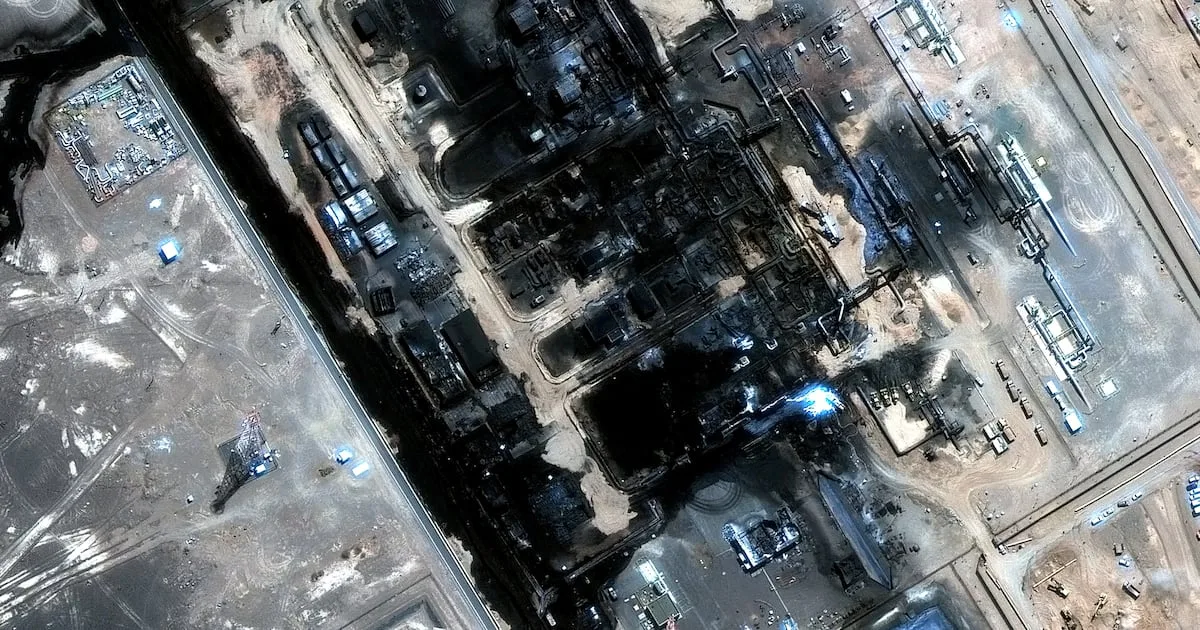
Basset's remarks come at a time when the war in the Middle East has once again increased energy prices and put pressure on U.S. financial markets. Recently, oil loading at the Yanbu port in Saudi Arabia has been halted due to recent attacks on oil pipelines. Traders have warned that the continued closure of this route could affect up to four percent of global oil supply.
This situation creates additional pressure on the Trump administration, which is trying to limit Iran's access to foreign revenues with broader sanctions and prevent further increases in energy costs in the U.S. In this context, Brent crude oil prices have also reached about $108 per barrel, reflecting the direct impacts of political developments on the energy market.
Read more: Saudi Arabia targets increasing oil exports from the Strait of Hormuz · Transferring UAE infrastructure underground with investments in new technologies