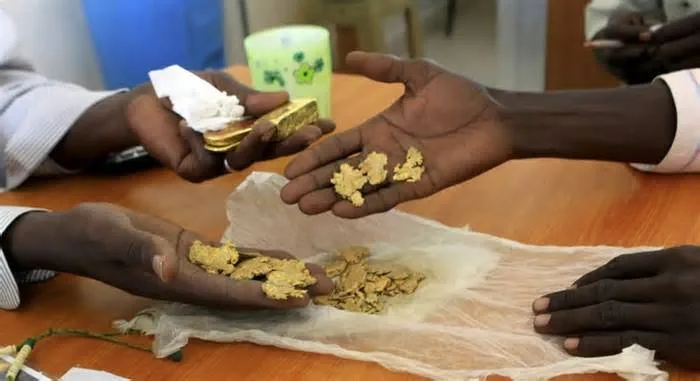
Sudan, the fifth largest gold producer on the African continent, has lost its key market due to new economic sanctions from Europe, particularly the ban on gold imports to Switzerland. This action not only harms the gold industries in Sudan but will also have negative impacts on the entire economy of the country. Given that the gold industry in Sudan has an estimated value of $12.7 billion, these sanctions could have dire consequences for producers and workers in this sector.
New Challenges for the Gold Industry in Sudan
With Switzerland's decision to ban gold imports from Sudan, the country can no longer easily access one of its important markets. Furthermore, this decision means a reduction in foreign investment and a decrease in job opportunities in the gold industry. The gold industry in Sudan is recognized as one of the main sources of income and employment, and these sanctions could lead to a loss of foreign exchange revenues.
Sanctions may also lead to capital flight and the migration of workers from this sector. Given that many workers in this industry rely on their wages and income, losing gold-related jobs could quickly lead to an increase in unemployment rates and social discontent in the country.
Economic and Social Consequences
In recent years, Sudan has been trying to promote the gold industry as one of its main sources of economic growth. However, the new sanctions could overshadow all efforts and lead to a decrease in gold production and exports. On the other hand, it seems that these sanctions are just the beginning of a series of international actions against Sudan that could lead to the economic isolation of the country.
The Sudanese government faces serious challenges in managing the economic crisis, and these sanctions will only add to the existing problems. It appears that Sudan needs a new strategy to attract investments and maintain international markets, especially as the gold industry, being one of the main sources of income for the country, is facing serious threats due to the sanctions.