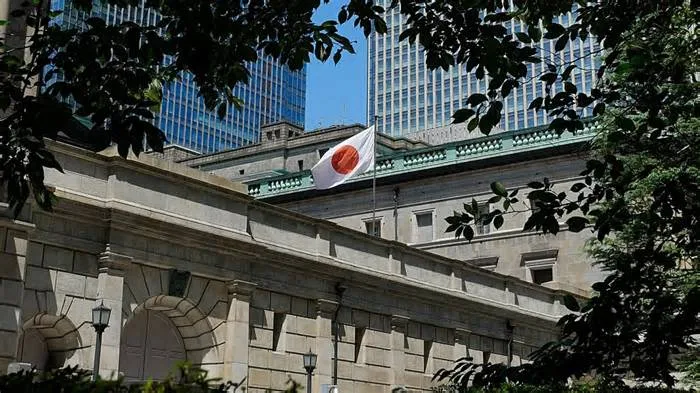
The Bank of Japan has raised the base interest rate to 1.25%. This action is part of the institution's efforts to normalize monetary policy, which has been maintained at near-zero or below for years. The main goal of this policy is to encourage borrowing and increased spending, combat negative inflation, and help Japan's economy emerge from a prolonged recession.
Inflationary Pressures and Their Impact on Economic Decisions
The increase in interest rates comes as inflationary pressures are rising due to the war in Iran. This war has led to a sharp increase in oil prices, posing a significant challenge for Japan, which imports almost all of its oil needs. Rising oil prices not only affect energy costs but also lead to increased production costs and ultimately higher prices for goods and services.
The Bank of Japan has also considered global impacts in its decision to raise interest rates. This increase followed the Federal Reserve of the United States also raising its key interest rate. According to analysts, these decisions indicate a alignment of monetary policies between the two countries, both seeking to combat high inflation.
Future Predictions and Market Impacts
Analysts believe that the Bank of Japan may raise interest rates again later this year or early next year. In recent months, both Japan and the United States have jointly intervened in the market to support the yen. This intervention reflects concerns about the weakening yen and its impact on Japanese exports.
Currently, each US dollar is trading at about 155 yen, and the dollar's exchange rate had surpassed 160 yen earlier this year. With the increase in interest rates, the yen is expected to strengthen, which could benefit Japan's economy.
The Bank of Japan has also set a target inflation rate of around 2%. Currently, the actual inflation in Japan is close to this level, but some consumers believe that the recent surge in prices, especially for gasoline and oil-related products, has been excessive. This situation could create further challenges for consumers and businesses.
Following the announcement of the Bank's decision, the Nikkei 225 index on the Tokyo Stock Exchange rose, indicating a positive market reaction to these changes. Analysts believe that by controlling interest rates, the Bank of Japan is trying to maintain balance in the Japanese economy and prevent rising inflation.