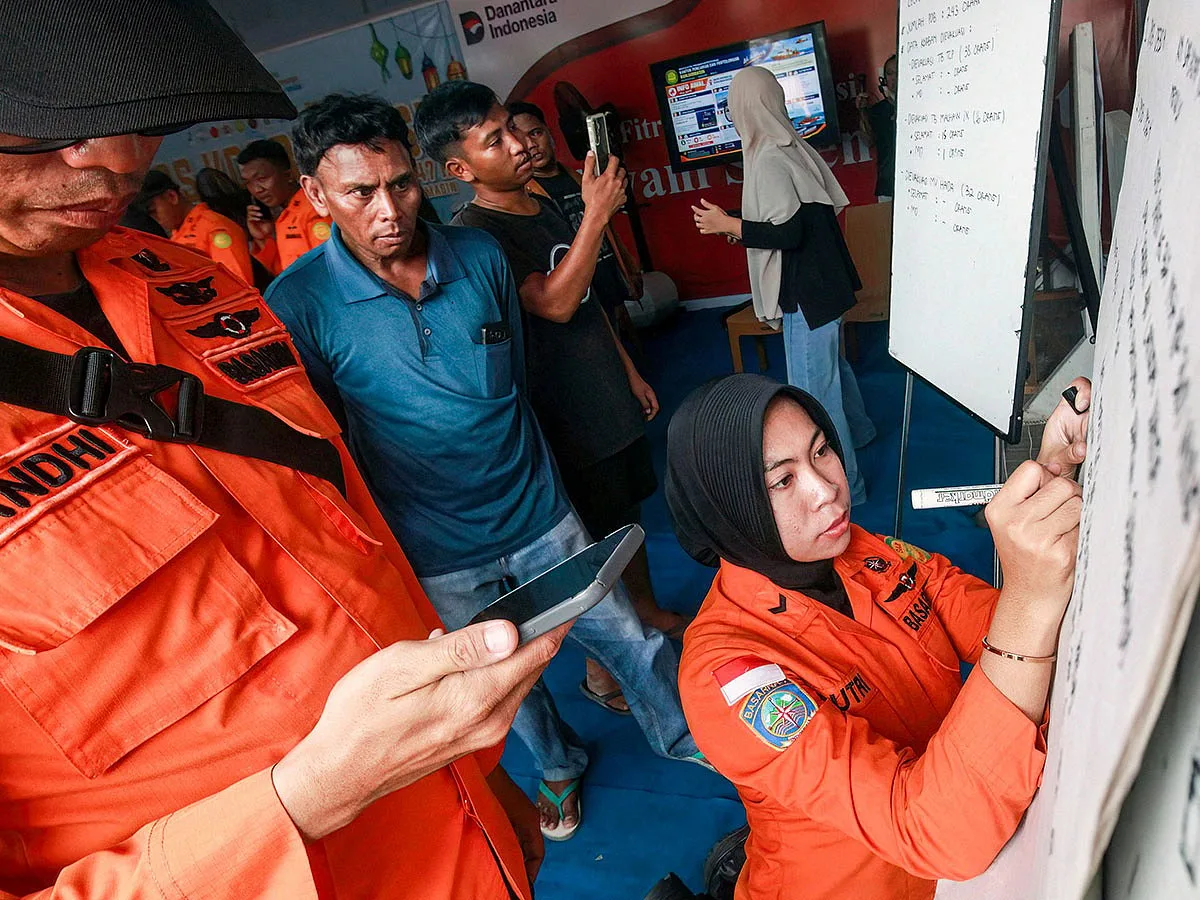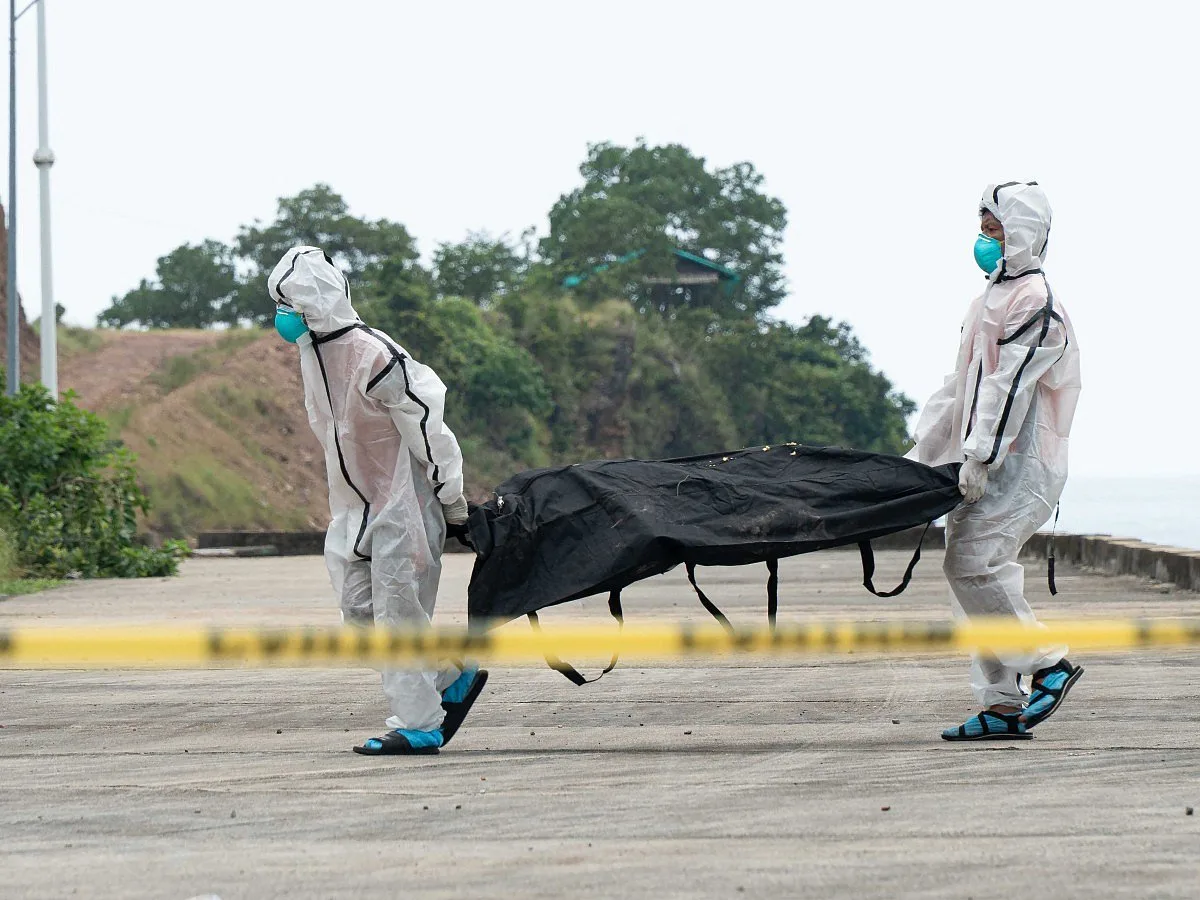
In a heartbreaking incident in the Philippines, a fire on a passenger ship resulted in the deaths of 76 people. This incident occurred near Coron Island, and forensic teams are continuing their work to identify the victims. This fire is considered one of the largest maritime disasters in the history of the country and has raised significant concerns about maritime safety.
High casualty numbers and identification efforts
Following the fire, rescue operations were immediately launched, but the incident quickly turned into a disaster. The number of victims has increased over time, and families are currently searching for their missing loved ones. Forensic teams will soon begin the process of identifying the deceased using DNA tests, a measure that could help families find answers.
The number of victims from this incident is rapidly increasing, intensifying concerns about the safety of maritime travel in the Philippines. Due to its unique geography, the country is heavily reliant on maritime transport, and such incidents can have serious consequences for the tourism and transportation industries.
Social and economic consequences
This disaster has not only claimed lives but has also plunged families into deep sorrow. Many of these individuals were breadwinners for their families, and now, after this incident, their lives are in crisis. The Filipino community is facing a significant challenge in this regard, and there is a need for social and economic support to rebuild the lives of the victims.
Additionally, the Philippine government must quickly take measures to improve maritime travel safety. This fire may prompt officials to review the laws and regulations regarding ship safety and crew training and, if necessary, implement new regulations.
In light of this tragic incident, international attention is expected to increase regarding maritime safety in the Philippines, and perhaps this disaster will serve as a wake-up call for other countries that rely on maritime transport as a primary means of travel.