The Donald Trump administration must realize that the United States cannot engage with Iran alone. Currently, U.S. policies towards Iran have reached a dead end, and efforts to destroy Iran's nuclear program through economic and military pressure have not yielded desirable results.
Challenges in U.S. Foreign Policy
The Iranian regime, despite severe sanctions, has managed to advance its nuclear program and continue its military threats. Although the Trump administration claims that Iran's nuclear program has been destroyed and its military power has been broken, on-the-ground realities show that this country still possesses significant military capabilities, and sanctions have not fully pressured its economy.
Read more: The United Arab Emirates condemned the Houthi group's action to target Mecca
The Trump administration's approach of pressuring Iran before negotiations seems logical. No country wants its rival to enter negotiations with power and confidence. However, Tehran views this situation as an existential war and considers Washington's demands, including halting military activities in the Strait of Hormuz and severing ties with militia groups, as political suicide.
The Need for Global Cooperation to Resolve the Crisis
The main challenge is that Washington must understand that the only solution to this deadlock is to accept the limitations of U.S. pressure and strive for a better agreement than previous accords. If Trump comes to this conclusion, he may be able to halt conflicts and restore trade and freedom of navigation to normalcy. However, this would only be a temporary solution and would not end Iran's nuclear situation.
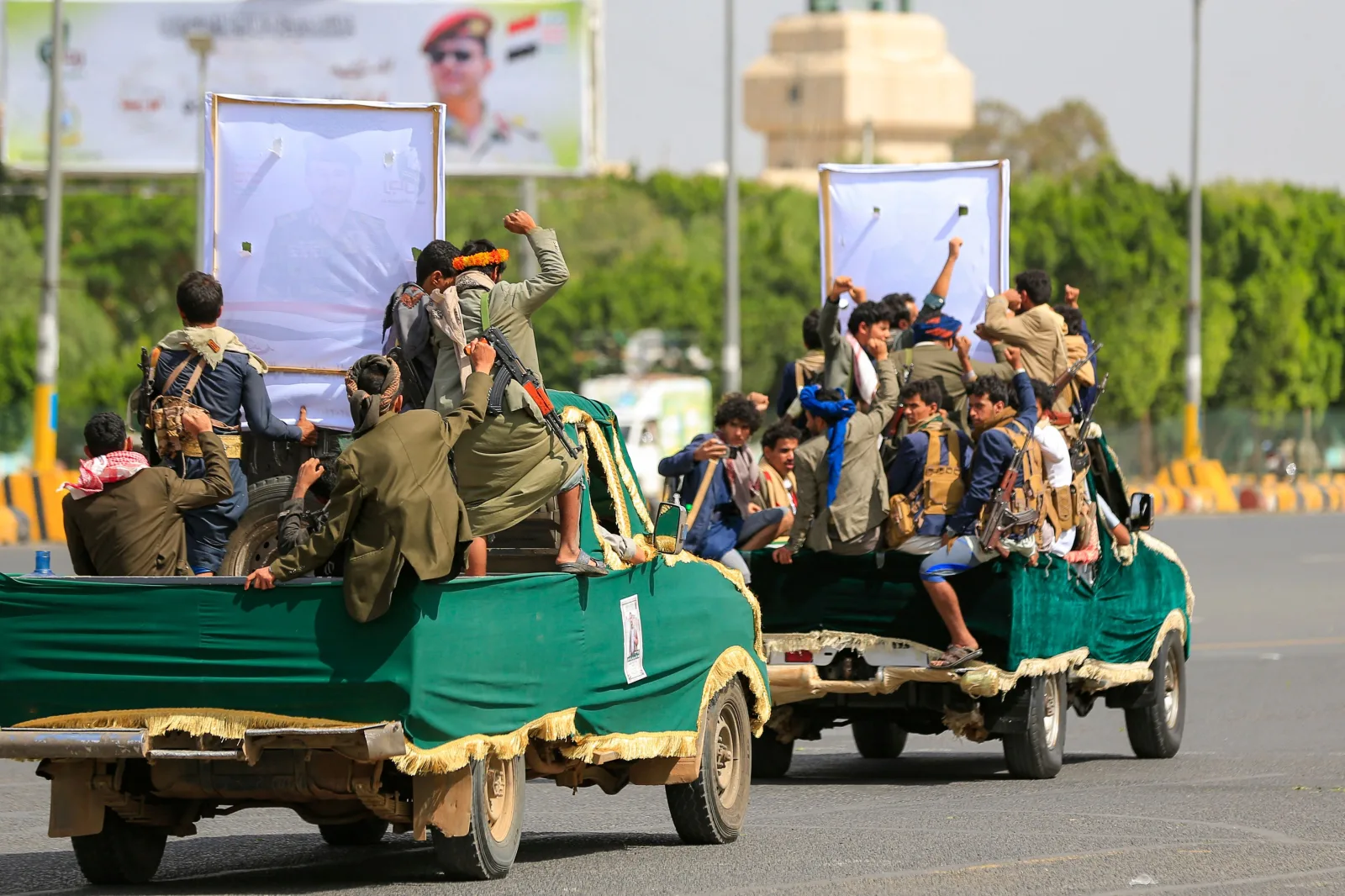
Moreover, some of Washington's Arab partners are concerned that the United States will repeat the same past mistakes and act without meaningful consultation and a shared strategy. These countries are now embroiled in conflicts they did not seek and have become targets of Iranian missile and drone attacks.
Ultimately, past lessons must be reminded to the United States. Victory in the Cold War required collective cooperation, and the U.S. could not achieve this goal alone. While Iran is not comparable to the Soviet Union, the logic of collective pressure still holds. Tehran would be much more vulnerable without China's economic support and, to a lesser extent, Russia's.
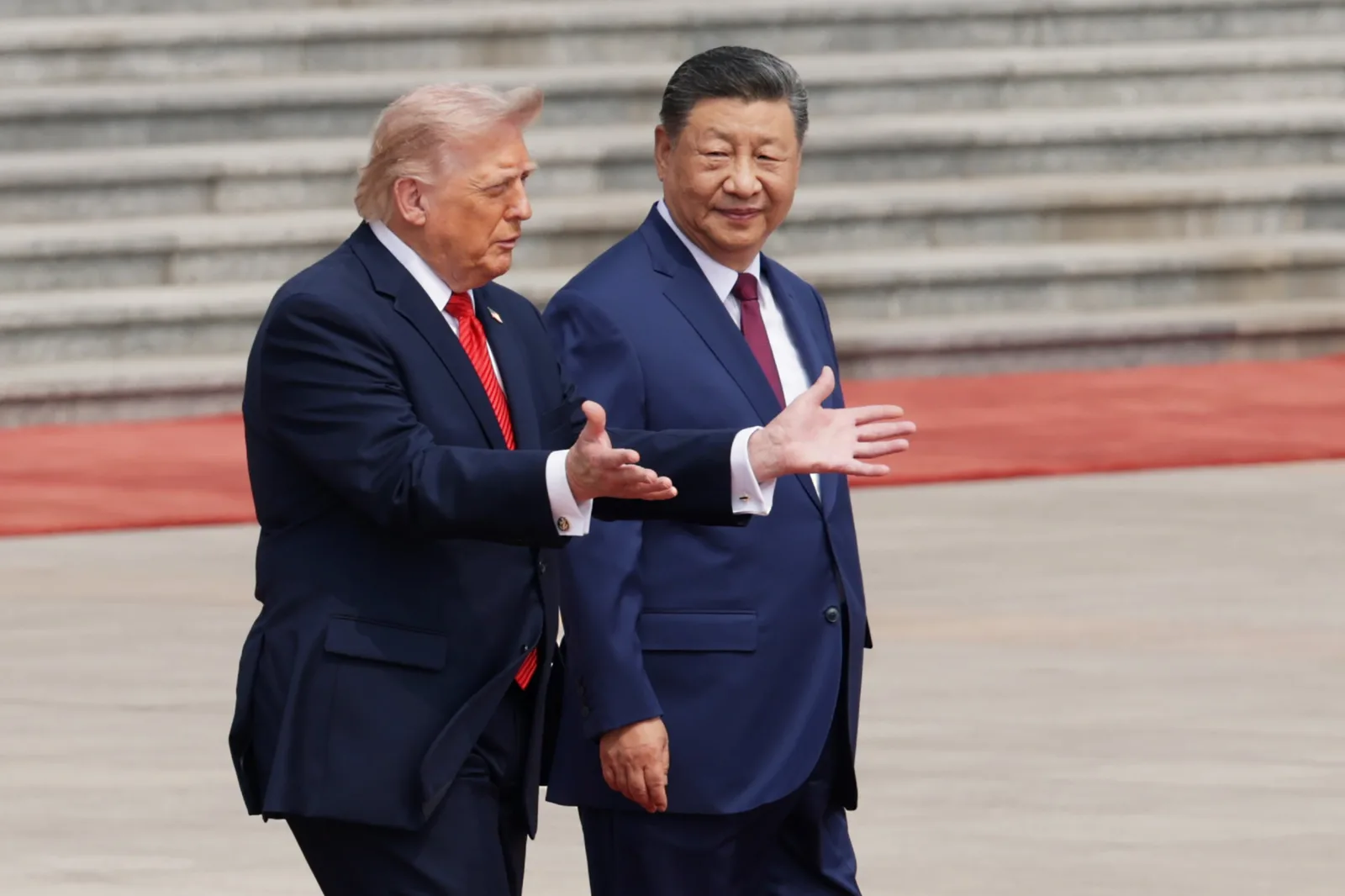
Therefore, real negotiations by Washington must begin with Beijing. European allies can also assist if the United States is serious about diplomacy in favor of shared interests. However, China is the key player. If Beijing cuts its support for Tehran, Iran will be forced to accept meaningful agreements. The question is, at what price will China's cooperation come? Is the Iran issue significant enough for Washington to accept China's high price? The only way to understand this is through direct communication with Xi Jinping, but not before forming a united front with international friends and allies.
In the end, it is time for Washington to view the Iran issue not as a bilateral rivalry with Tehran but as a global problem that affects everyone.
Read more: Elias Bou Saab called for the transfer of Hezbollah's weapons to the Lebanese government · The Trump administration called for reducing the interest rate to 1 percent