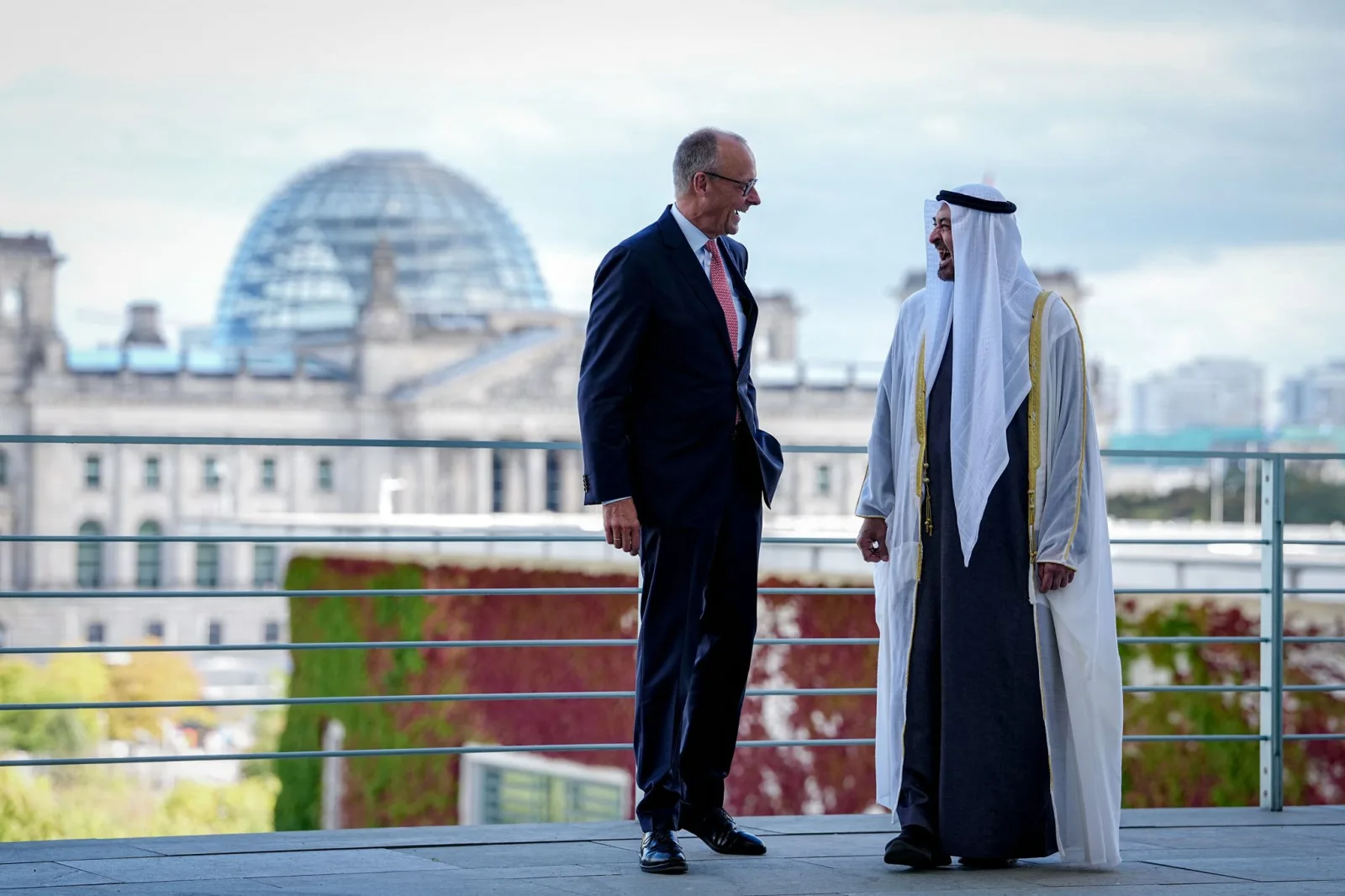
In an unprecedented move, the United Arab Emirates is recognized as an effective and serious economic player on the global stage by announcing a €40 billion investment plan (equivalent to $46.5 billion) in Germany. This news was announced on the sidelines of President Mohammed bin Zayed Al Nahyan's official visit to Berlin on Thursday, attracting significant attention.
Strengthening Economic Relations Between the Two Countries
This massive investment reflects the serious commitment of both countries to enhance economic and trade relations. The UAE, recognized as one of the advanced countries in technology and economy in the region, aims to expand its influence in European markets with this move. This investment is set to be utilized in various infrastructure, technology, and renewable energy projects.
While Germany is known as the second-largest economy in Europe and one of the advanced industrial countries, the UAE, as one of its most important trading partners in the Middle East, can act as a bridge between Europe and Arab countries. This cooperation could create unique opportunities for both countries and help strengthen economic stability in the region.
Future Outlook
President Mohammed bin Zayed Al Nahyan emphasized during this visit that the UAE seeks to establish and expand sustainable and mutually beneficial relations with Germany. Given recent developments in the global arena and the need for international cooperation, this investment could be seen as a turning point in the relations between the two countries.
Ultimately, considering the significance of this news and its impact on international relations, it seems that this investment will not only benefit the UAE but also Germany and the entire European Union. It is hoped that these collaborations will become a successful model for other countries and ultimately benefit global progress and sustainable development.