Abbas Araghchi, Iran's Foreign Minister, and Qasim Munir, Chief of Staff of the Pakistan Army, have met to explore ways to revive diplomatic efforts to reduce tensions in the region. These discussions particularly focused on the Iran-U.S. conflict and the prospects for returning to negotiations, with the recent Houthi attacks on Saudi Arabia also being addressed.
Pakistan's Warning to Iran
A few days ago, Pakistan warned Tehran that it must rein in the Houthis, as this Yemeni group has significantly increased its attacks on Saudi Arabia. Pakistan has a defense pact with Saudi Arabia and Turkey, which considers any attack on one of these countries as an attack on all. Khawaja Asif, Pakistan's Defense Minister, has stated that Islamabad is seeking a diplomatic solution but has warned that "any unprovoked aggression against Saudi Arabia will certainly activate this agreement.".
The Pakistani Foreign Ministry also described the Houthi attacks as "blameworthy" on Thursday and reiterated its unwavering support for the sovereignty, territorial integrity, and security of Saudi Arabia. An Iranian official has confirmed that Pakistan conveyed Saudi Arabia's message to Tehran but stated that "Iran does not control the Houthis.".
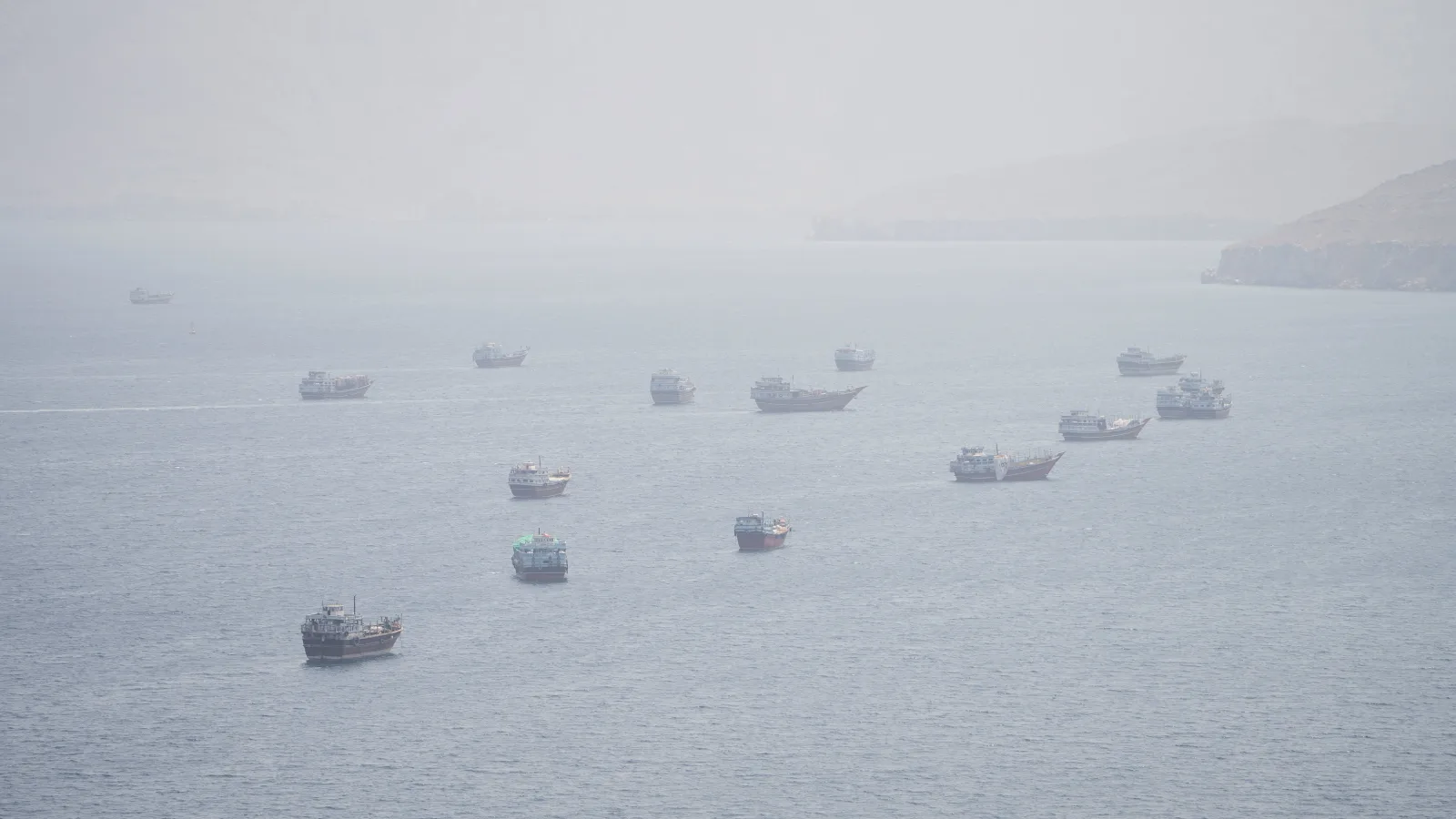
Meanwhile, the Iranian Revolutionary Guard has announced that its naval fleet targeted an American unmanned vessel in the Strait of Hormuz, claiming that it "foiled its aggressive mission." These incidents occur as tensions in the Strait of Hormuz have sharply increased, with attacks on ships and military activities in the region intensifying.
Reports indicate that Iran has resumed ballistic missile production and is assembling them at underground sites across Iran. In this context, Pakistan's Foreign Minister has called on the United States and Iran to return to negotiations.