The rise in U.S. 10-year bond yields to levels not seen in two decades has been recognized as a new source of concern for investors. According to a recent survey of investment managers at Bank of America, 33 percent of respondents identified the irregular rise in bond yields as the biggest market risk, replacing concerns related to artificial intelligence.
Factors Influencing the Rise in Yields
This survey was published one day after the yield on 10-year bonds surpassed 5 percent. Earlier in the day, this yield reached 5.041 percent, the highest level since July 2007, leading to increased borrowing costs for consumers and companies. The rise in bond yields has impacted major Wall Street indices, with the Dow Jones Industrial Average facing a decline of 328 points, equivalent to 0.63 percent.
Read more: UAE and Singapore Climb in Global Real Estate Rankings
Concerns and Economic Implications
Analysts believe that the recent rise in bond yields is linked to rising oil prices and concerns stemming from the war in Iran, as well as worries about fiscal direction and costs for companies related to artificial intelligence. Investors are now keenly awaiting actions from the Federal Reserve to control inflation.
Traders have nearly concluded that the U.S. Federal Reserve will raise interest rates by 25 basis points at its meeting on Wednesday, and the Central Bank of the UAE may take similar action due to the dirham-to-dollar exchange rate. The rise in U.S. bond yields comes as some energy exporters in the Gulf are experiencing lower revenues due to the war in Iran, which may lead to increased borrowing costs.
For countries with lower revenues that require more spending, sovereign wealth funds and possibly sovereign wealth funds may be called upon to assist with projects. Rachel Ziemba, founder of Ziemba Insights, stated, "These issues are likely more significant than where U.S. rates are currently." She also noted that the region is investing more in equities and private investments in the U.S. rather than in Treasury bonds.
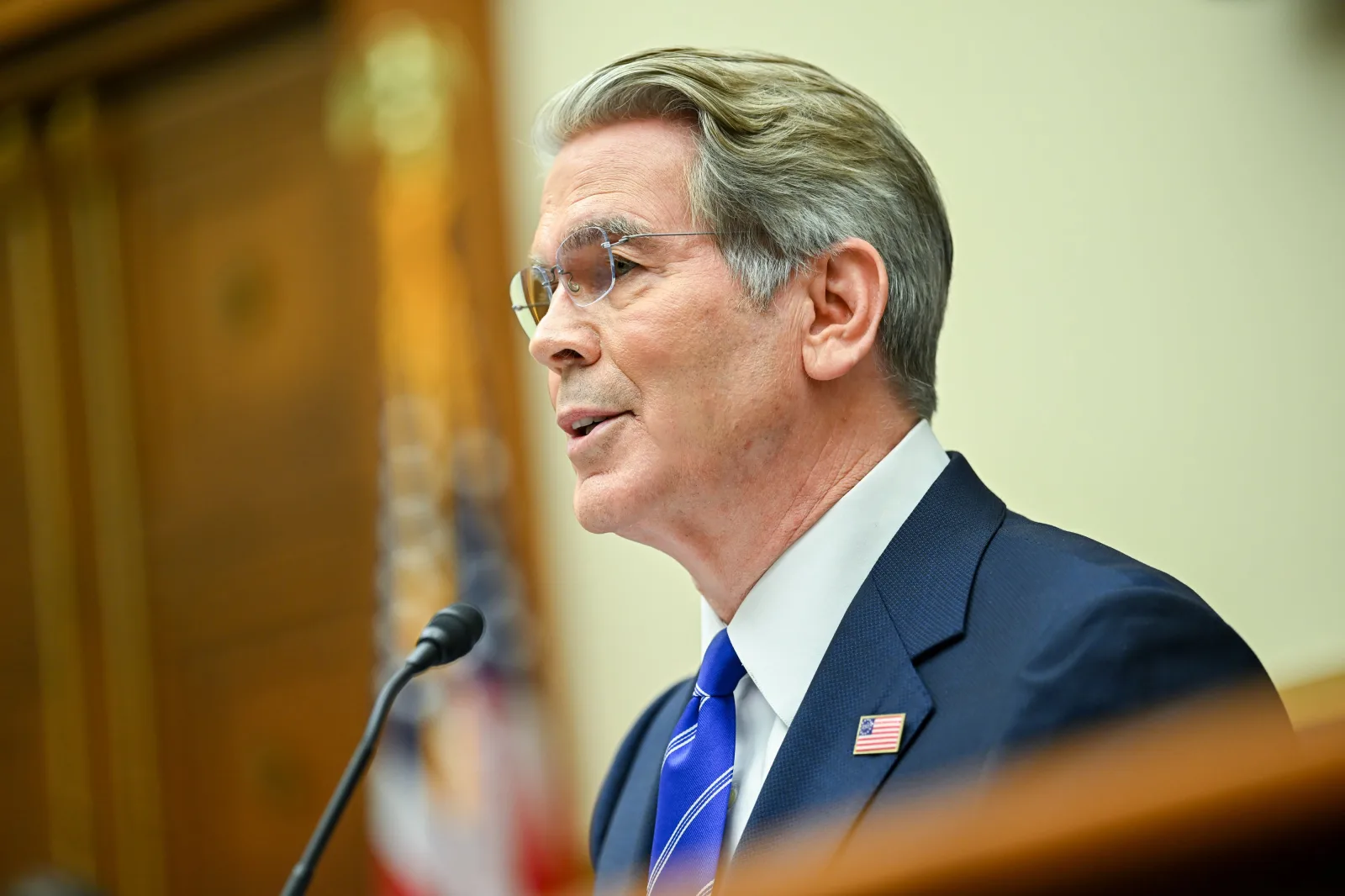
Stuart Basant, the Treasury Secretary, has linked the recent rise in bond yields to global issues and emphasized that this increase is occurring alongside other countries. He also pointed out that the recent rise in yields reflects the need to address the U.S. budget deficit, which has recently surpassed $40 trillion.
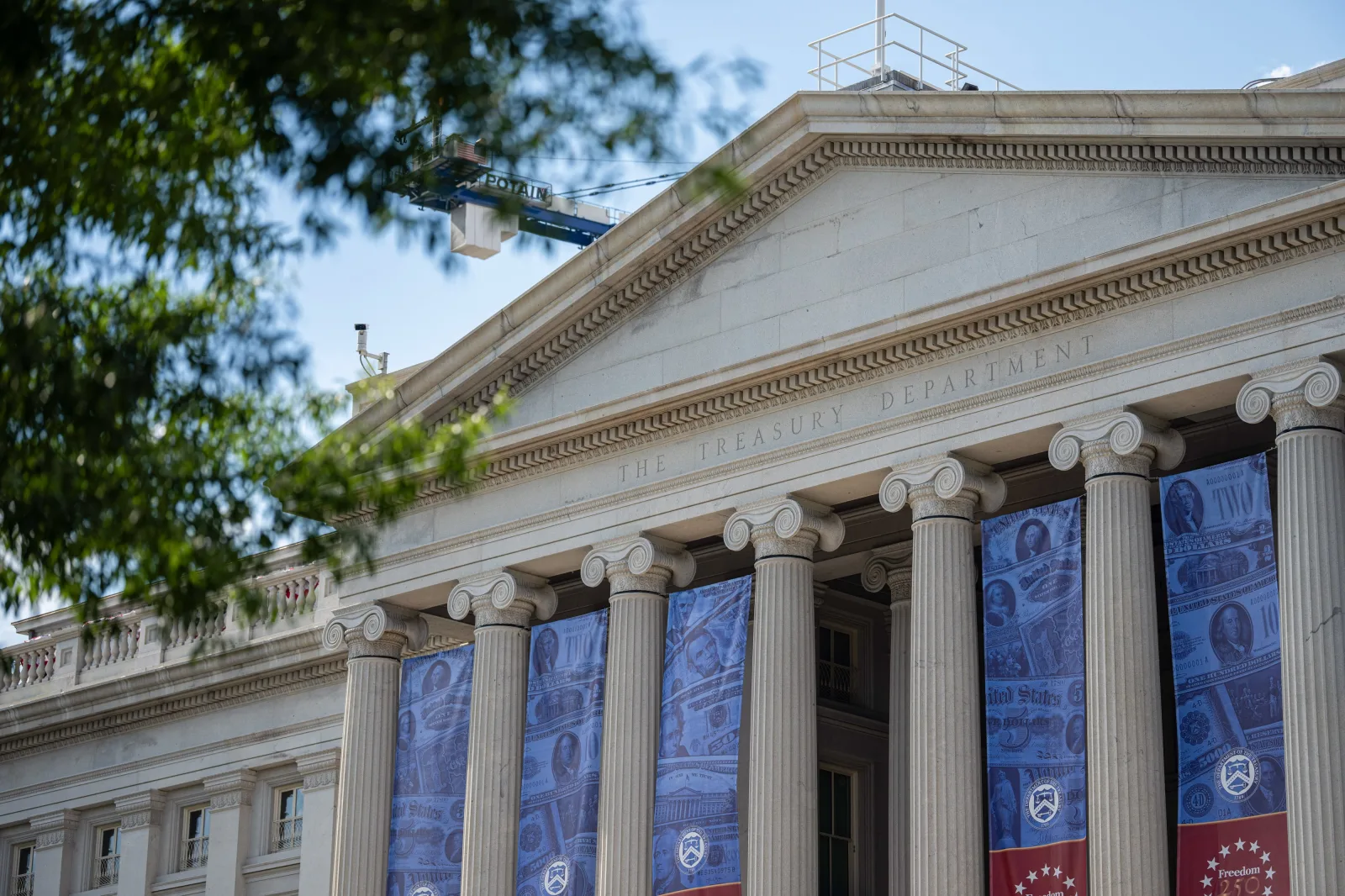
In his testimony before Congress, the Treasury Secretary stated that the bond-buying program has been successful and emphasized that the U.S. bond market has performed the best since the beginning of Donald Trump's second presidential term. The Treasury Department announced last week that it is seeking to purchase $6 billion in government debt, three times the size of the department's usual operations, to calm the market.
Peter Anderson, founder of Anderson Investment Management, believes that low interest rates over the past decade have distorted perceptions about current bond levels. He emphasized that if you look at history, a 5 percent yield on 10-year bonds is not unusual, and people should reconsider this issue.
Read more: Fly Dubai Expands Fleet to Over 100 Aircraft with Delivery of 11 Planes · Space 42 and Fiasat Seek Transformation in Space Communications Industry