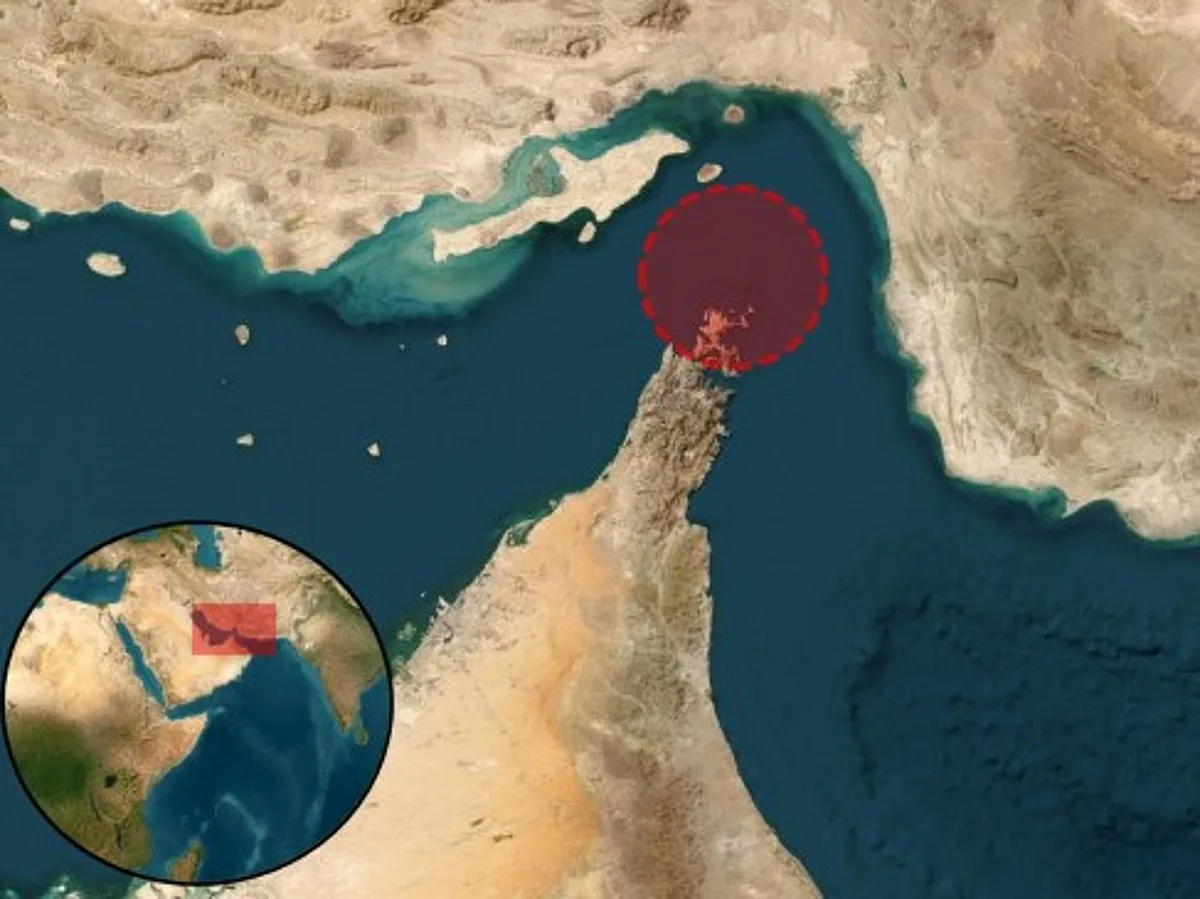
While tensions between the United States and Iran continue, Tehran has taken a significant step by holding meetings with the Gulf States in Oman. These negotiations, scheduled for Monday, will specifically focus on issues related to the Strait of Hormuz and enhancing security cooperation in the region.
Why is the Strait of Hormuz important?
The Strait of Hormuz, considered one of the most important waterways in the world, sees about 20 percent of the world's oil pass through it. In recent years, this area has become a focal point of global attention due to political and military tensions. Iran, as a country located on both sides of this strait, has always emphasized the importance of its security and aims to strengthen regional cooperation through these negotiations.
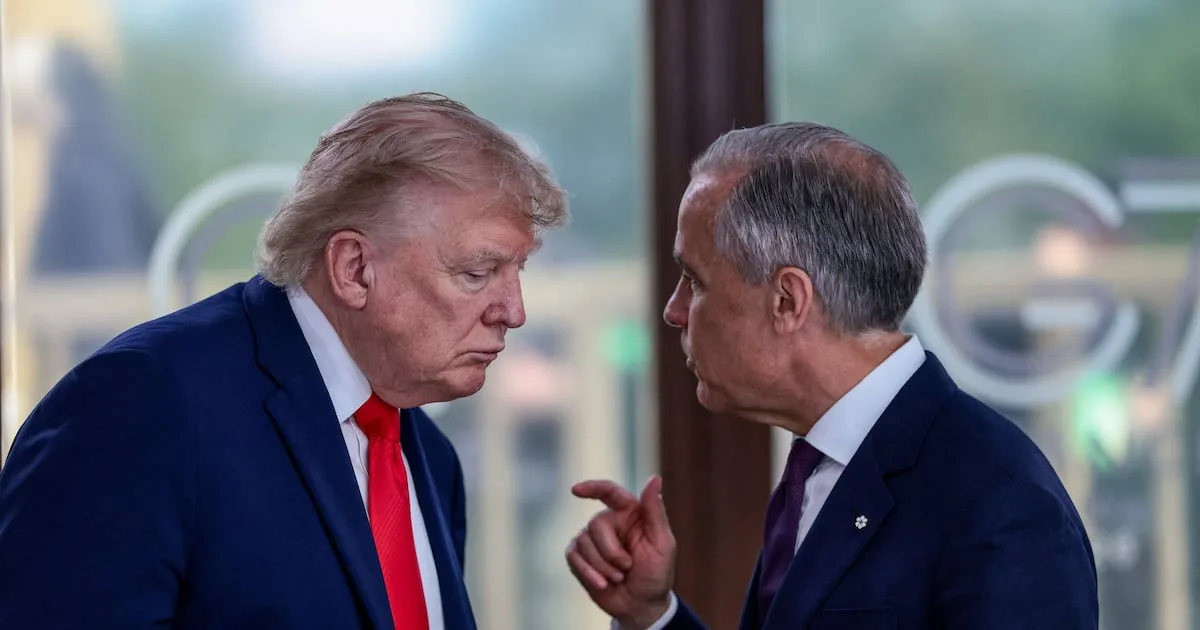
In these talks, Iran is seeking to establish a new security framework that could lead to a reduction in tensions and an increase in stability in the region. This is particularly significant given the heightened tensions with the United States.
Possible outcomes of the negotiations
If these negotiations lead to agreements, they could bring about significant changes in the security policies of the regional countries. Especially since the Gulf States are looking for ways to manage tensions and maintain their energy security. These talks could also help improve relations between Iran and its neighbors and pave the way for further cooperation in economic and security fields.
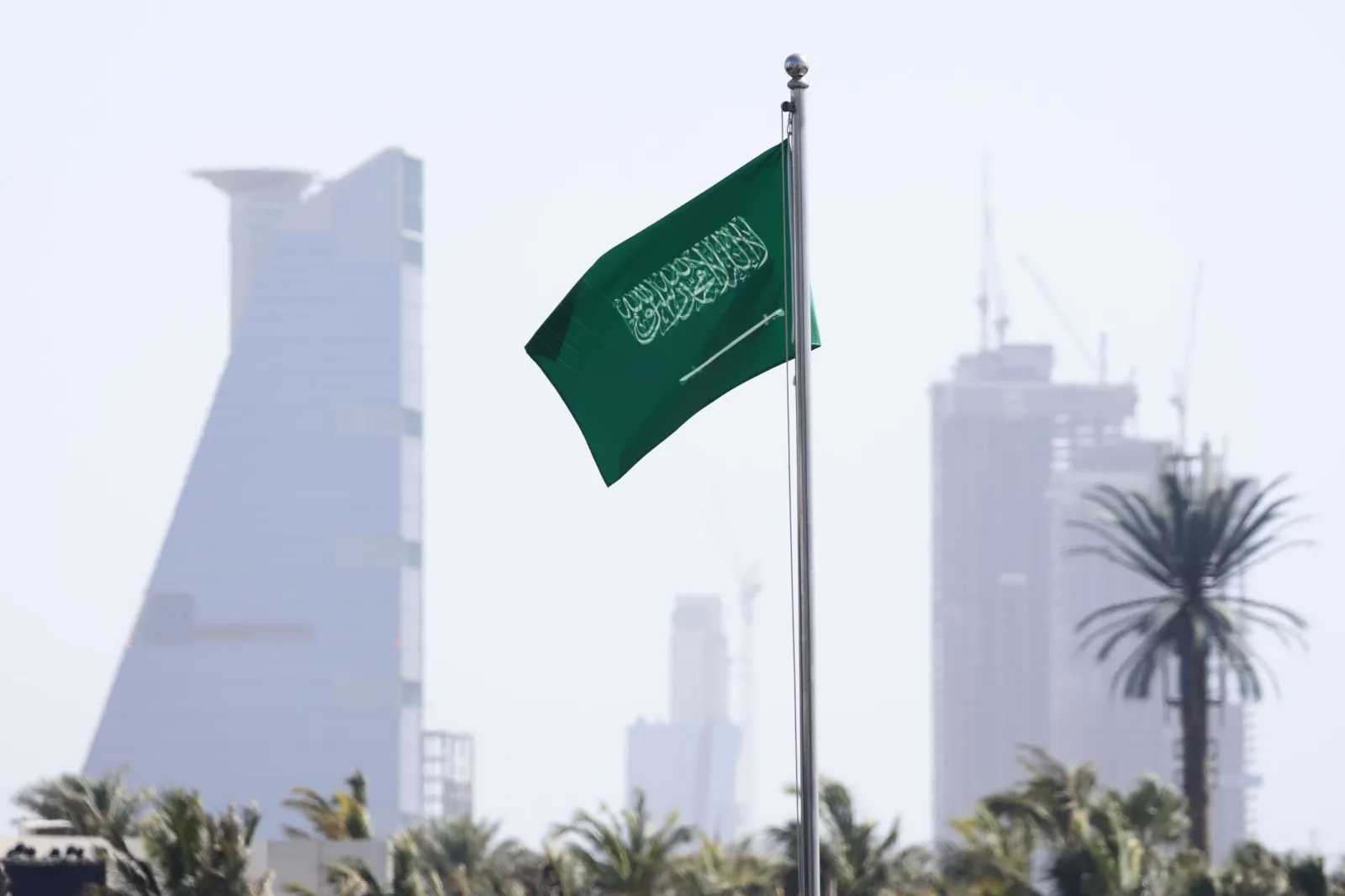
In this context, it is expected that the Gulf States will also view these negotiations with concern, particularly Saudi Arabia, which in recent years has sought to strengthen its relations with the United States and reduce Iran's influence in the region. This situation could create a new kind of rivalry between these two countries.
Overall, holding this meeting in Oman and its focus on the Strait of Hormuz could be seen as a positive signal to the international community. The world is deeply concerned about the current situation in the region, and any progress in the negotiations could lead to a reduction in tensions and an increase in security.
For this reason, global attention to these negotiations and their outcomes is very high. Will Iran and the Gulf States be able to reach agreements in these negotiations that are beneficial not only for themselves but for the entire region and the world?