The World Food Programme (WFP) announced that due to a funding shortfall, it may be forced to make severe cuts to food aid to Sudan in the coming weeks. Carl Skau, the interim head of the organization, stated at a press conference in New York that the operations of the organization are under significant financial pressure, and without additional funding, there is a likelihood of severe reductions in aid.
The Humanitarian Situation in Sudan
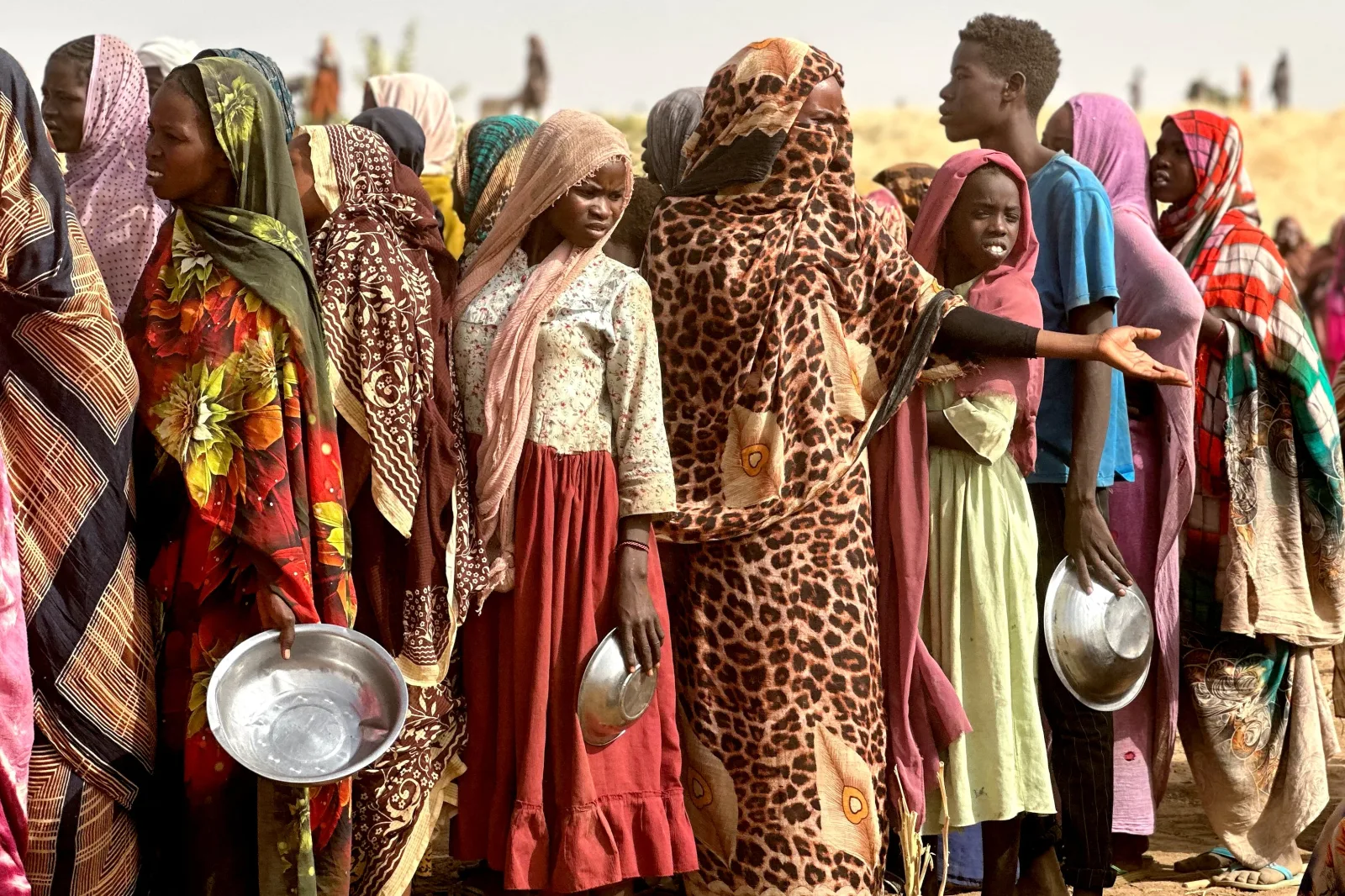
Sudan is currently facing the largest hunger and displacement crisis in the world. According to Skau, 14 million people in the country have been displaced, and about five million people are facing emergency levels of hunger. Additionally, around 200,000 people are in a critical food shortage situation. The World Food Programme currently provides assistance to between four to five million people each month, but the funding shortfall has created limitations in delivering aid.
Read more: The BRICS Declaration Addresses the Connection Between Middle Eastern Security, Trade, and Energy
Funding Challenges and the Effects of Drought
The World Food Programme requires nearly $300 million to maintain its ongoing operations in Sudan. While the organization has received only about $206 million this year, this figure is a significant decrease compared to $645 million last year. This reduction in funding comes at a time when drought in Darfur poses a serious threat to food security and agricultural production. Skau warned that Darfur has not been this dry since 1984, and we are currently in the rainy season, raising concerns about potential impacts on agriculture.
In the Tawila area of Darfur, where nearly one million people have sought refuge, the World Food Programme provides food to about 950,000 people each month, but only meets half of the required rations. Skau noted that the organization can only provide food sufficient for two weeks, highlighting the need for additional funding.
During Skau's visit to El Fasher, he observed that only tens of thousands of people remain in a city that once had a population of one million. After an 18-month siege, famine, and atrocities, these individuals rely solely on the vital food assistance provided by the World Food Programme. Skau also pointed to escalating conflicts in South Kordofan and Blue Nile, identifying these areas as new conflict centers. He emphasized that more efforts must be made to support displaced and affected individuals.
Read more: Trump's Push for Investment in Greenland · UAE Provides $10 Million in Aid to Haiti for Humanitarian Crisis