Iran has rejected holding negotiations with the United States and emphasized that no dialogue will take place until its conditions are fulfilled. Mohsen Rezaei, Secretary of Iran's Supreme National Security Council, warned on Tuesday about the mixed messages from U.S. President Donald Trump, stating: "Do not pay attention to the mixed signals from the U.S. President. No dialogue will take place until Iran's conditions are met."
Iran's Conditions for Negotiations
Iran demands an end to U.S. military operations and threats, the cessation of maritime blockade, the lifting of sanctions, and the release of its frozen assets. Additionally, Tehran has requested compensation for war damages and has conditioned the reopening of the Strait of Hormuz on the fulfillment of these demands.
Read more: Indonesian rescuers search for 129 missing passengers in ship sinking
On Monday, Trump stated that Iran is seeking a "quick and essential" agreement, leaving open the possibility that Washington may engage with Tehran. In his post on the social media platform Truth Social, Trump wrote: "A nation that is failing, namely Iran, wants to make a deal quickly" and added that he would decide whether the U.S. would engage with Iran or not.
Impacts on Energy Markets
These contradictions reflect the deep divide between Washington and Tehran as conflicts continue and diplomatic efforts to restore navigation through the Strait of Hormuz face difficulties. In this context, Trump announced that oil is still passing through the Strait of Hormuz and that other countries "must and will" reimburse the costs of this conflict to the U.S. However, commercial traffic has been severely disrupted.
According to Kpler data, only four cargo ships passed through the Strait on Monday, down from ten the previous day. This figure does not include ships that turned off their positioning systems to avoid detection, meaning actual traffic may be higher. Before the war began on February 28, the Strait of Hormuz typically managed about 125 large commercial vessels daily, carrying one-fifth of the world's crude oil and liquefied natural gas supply.
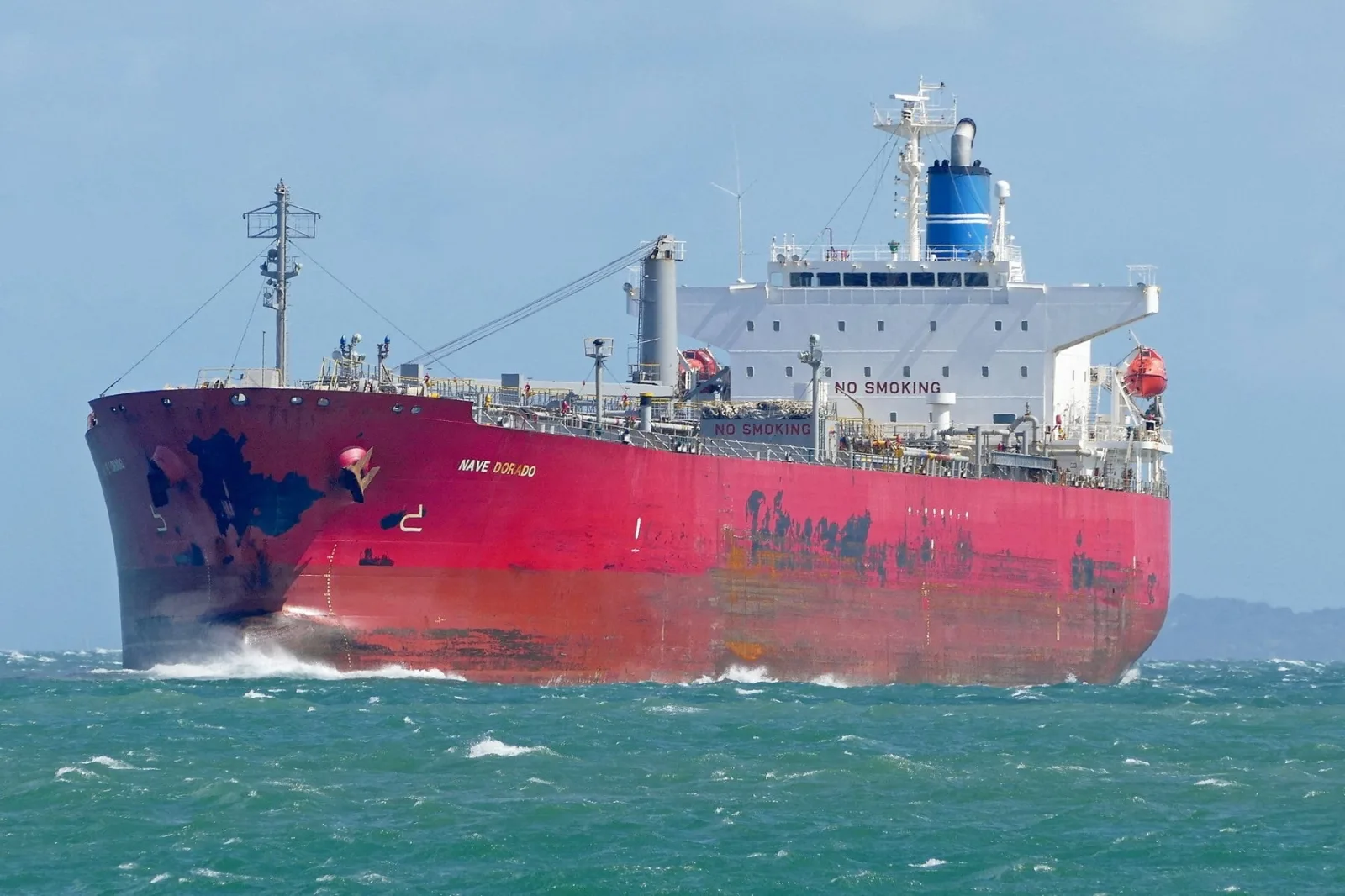
Iranian state media has reported that a tanker exploded and caught fire after hitting mines in the Strait. This report did not provide the date of the incident or further details. Gulf countries have postponed planned negotiations with Tehran regarding navigation arrangements in this waterway. Oman announced that conditions were not suitable for holding a meeting that was scheduled for Monday in Salalah.
Iran has stated that this delay occurred at the request of some regional countries, and Tehran and Muscat have agreed to reschedule the negotiations. No new date for these talks has been announced. This delay followed disagreements over the Iran-Oman framework for managing navigation in the Strait of Hormuz.
The U.S. Central Command, which oversees U.S. military operations in the Middle East, announced on Monday that American forces had redirected 101 commercial vessels to ensure compliance with their maritime blockade. This diplomatic retreat comes as Iran's attacks on Gulf neighbors and commercial navigation continue to threaten regional energy infrastructure and put pressure on global oil markets.
Iran's Foreign Minister, Abbas Araghchi, will travel to China on Wednesday to meet with Wang Yi, China's Foreign Minister. Meanwhile, Washington is seeking to maintain its military capacity. Trump stated that the United States has large reserves of defense systems and missiles, remarks made following reports of a significant reduction in Patriot and THAAD system stocks during this conflict.
Read more: Trump: The U.S. can stay in Iran and preserve oil · Iran and Houthis pressure Saudi Arabia in Yemen