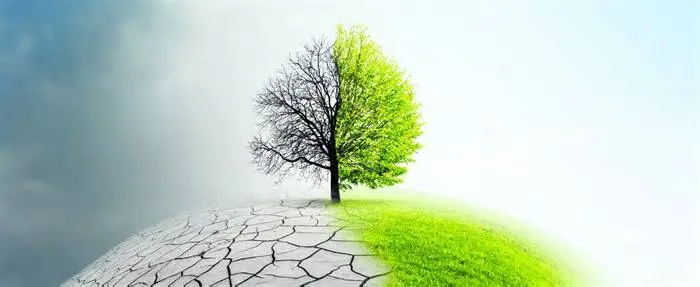
The melting of glaciers in the Himalayas is approaching a dangerous tipping point. A recently published study shows that the rate of melting of these glaciers has significantly increased compared to the past decade. These changes could have serious impacts on the lives of millions of people in the region.
Factors Contributing to Glacier Melting
According to collected data, rising temperatures and climate change are the main factors contributing to the melting of Himalayan glaciers. These glaciers are not only a primary source of water for many rivers and lakes in the region, but they also have major impacts on the ecosystem and the lives of residents. As these glaciers melt, the supply of drinking and agricultural water for millions will face serious challenges.
Read more: 26,000 Tons of Carbon Reduced by Dubai Police Using Solar Energy
Future Consequences and Challenges
In addition to water supply issues, the reduction in glacier volume could lead to an increased risk of sudden floods and other natural disasters. These disasters could cause serious damage to infrastructure and local communities. Furthermore, given the economic dependence of many communities on agriculture and water resources, economic conditions will also be affected.
Research indicates that immediate actions are necessary to manage this crisis. Officials and researchers emphasize that appropriate strategies must be adopted to protect the glaciers and improve the living conditions of the residents in the region. Establishing monitoring systems and predicting climate changes and glacier melting could help mitigate negative impacts.
Read more: The Consequences of El Niño for the Gulf Region: Should We Be Worried? · Sheikh Mohammed bin Zayed at the Dinner of the German President: A Sign of Deep Friendship