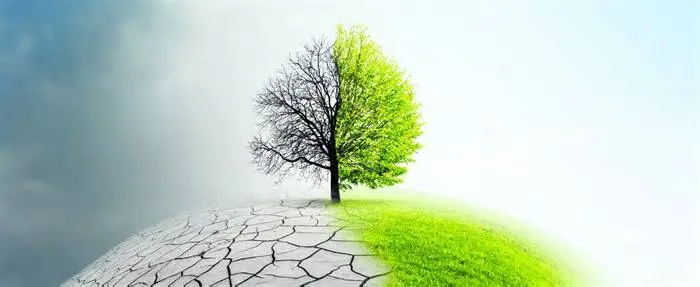
The Himalayan glaciers are approaching a critical point as their melting rate has significantly increased compared to a decade ago. These climatic changes could threaten water security in the region and harm millions who depend on these resources.
Effects of Glacier Melting on Water Resources
Research indicates that the Himalayan glaciers will reach their peak water point by 2050, meaning that thereafter, available water resources will rapidly decline. This situation could lead to serious consequences for agriculture, drinking water supply, and local ecosystems.
Read more: Prince William Emphasized the Importance of Climate Change
Economic and Social Consequences
Given the economic dependence of many local communities on the water resources of the Himalayan glaciers, the reduction of these resources could have profound economic and social impacts. These changes may lead to increased social and economic tensions as communities face serious challenges in securing water and food resources.
Therefore, it is essential for policymakers and international organizations to pay attention to this crisis and propose solutions for managing and preserving water resources in the region. Immediate actions to mitigate climate change and support vulnerable communities can help address these challenges.
Read more: Reduction of 26,000 Tons of Carbon by Dubai Police Using Solar Energy · Consequences of El Niño for the Gulf Region: Should We Be Worried?