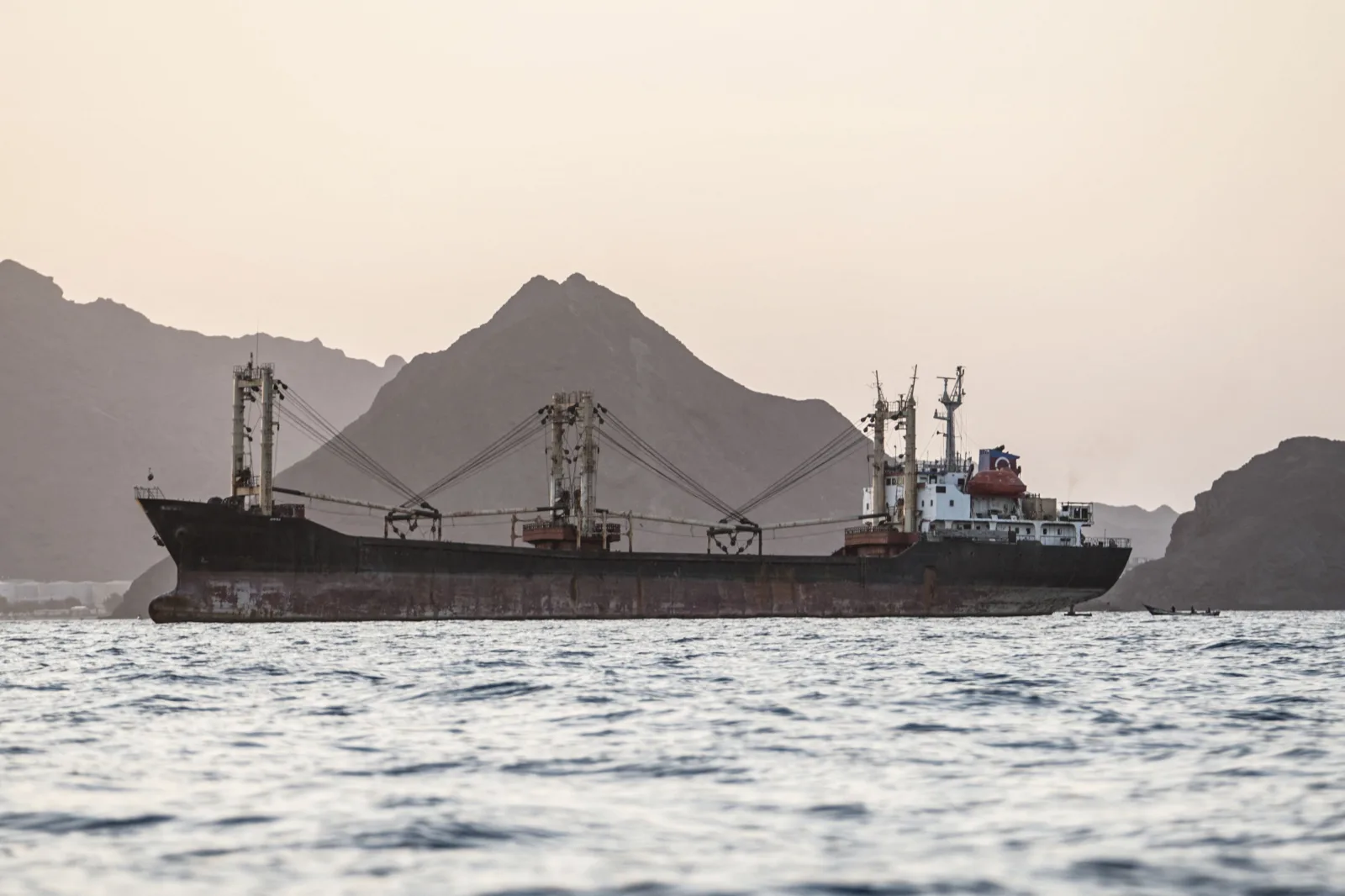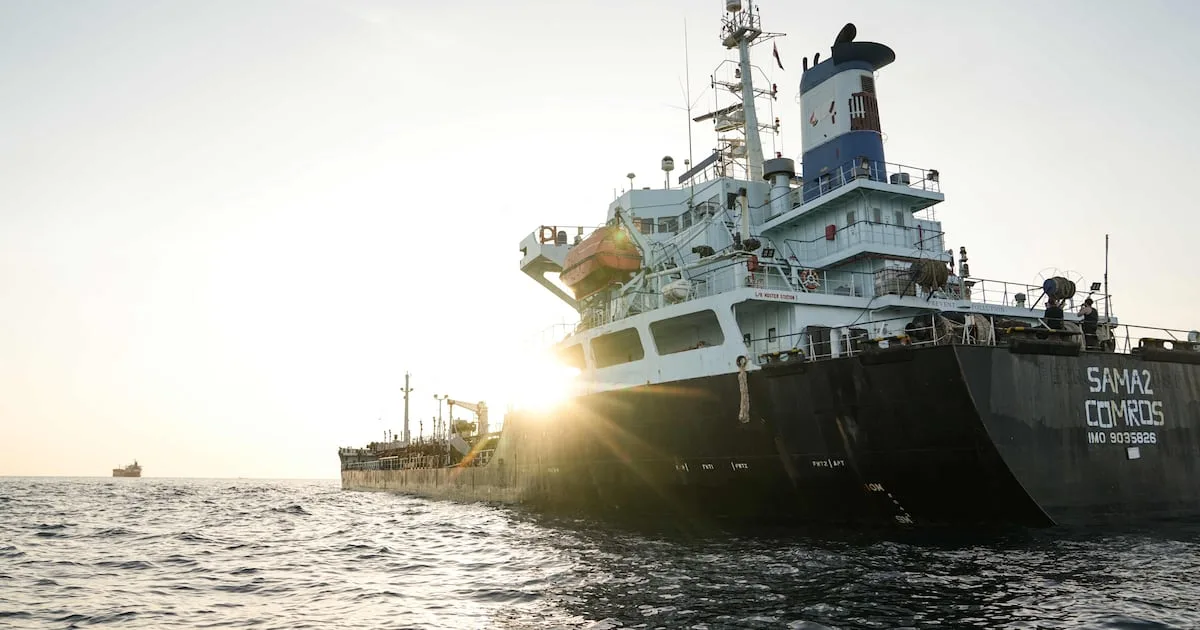
Saudi Arabia has faced challenges in maintaining stability in the oil market. The price of oil is currently on track to remain above $100 for the second consecutive week. This situation has arisen due to the ongoing tensions in the Middle East and their impact on global supply and demand.
Impact of Middle Eastern Tensions on the Oil Market
The ongoing tensions in the Middle East, particularly in oil-producing countries, are fueling volatility in oil prices. Increased tensions could lead to disruptions in the supply chain and a reduction in oil supply in global markets. These conditions prompt market participants to identify and assess existing risks and adopt new strategies to manage their risks.
Read more: Registration for visitors to World Food Week 2026 has begun
Future Outlook for Oil Prices
Given the current situation, analysts predict that oil prices may come under pressure in the near future. Factors such as changes in global demand, political reactions to tensions, and the policies of oil producers could significantly impact prices. In these circumstances, paying attention to global developments and changes in the policies of oil producers is of particular importance.
In this regard, market participants must closely monitor the existing conditions and respond to rapid price changes. Additionally, examining the potential impacts of production increases or decreases in various countries can aid in making timely and accurate decisions.
Read more: Stability of the US dollar in the global market following a decrease in oil prices · Saudi Arabia and the Houthis have begun a new conflict