Saudi Arabia accused the Houthis of targeting the holy city of Mecca, which has led to a strong reaction in the Islamic world and heightened tensions in the region.
Escalating Tensions in Yemen
This accusation comes as new clashes are occurring between the Iran-backed Houthis and the Yemeni government, which is supported by Saudi Arabia. The Houthis announced that they have imposed a maritime blockade on Saudi Arabia and are attacking its ships in the Red Sea.
Last week, the Houthis launched a swift attack and took full control of the Yemeni Red Sea coast and the Bab el-Mandeb Strait, which is a vital artery for Saudi oil exports. These tensions have arisen due to the broader conflict in the Middle East and the blockage of strategic transport routes in the Strait of Hormuz.
Reactions and Consequences
The Houthis quickly denied Saudi Arabia's accusation of targeting Mecca, calling it an old lie. Meanwhile, the Saudi coalition stated that any attack on holy sites is a red line and they are prepared to respond.
The Organization of Islamic Cooperation, consisting of 57 Islamic countries, strongly condemned this attack. Saudi Arabia also issued brief warnings on Tuesday about the potential for attacks on Mecca and other southern areas of the country that border Yemen.
These warnings came after a series of missile and drone attacks launched from Yemen towards Saudi Arabia, resulting in 13 injuries in the south of the country. Reports indicate that clashes in Yemen have significantly increased since July.
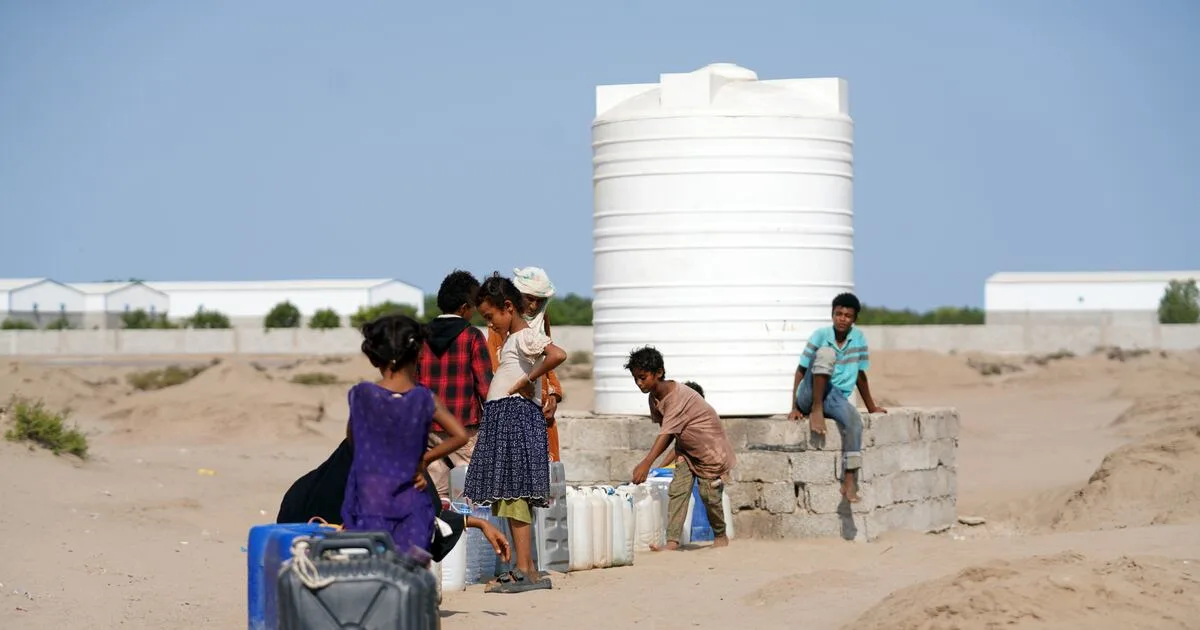
Statistics show that since the beginning of September, over 82,000 people have fled Yemen. Yemen's permanent representative to the United Nations, Abdullah Al-Saidi, stated that Yemenis are fighting to restore "national institutions in every part of their land" and called on the international community to take action against the Houthis.
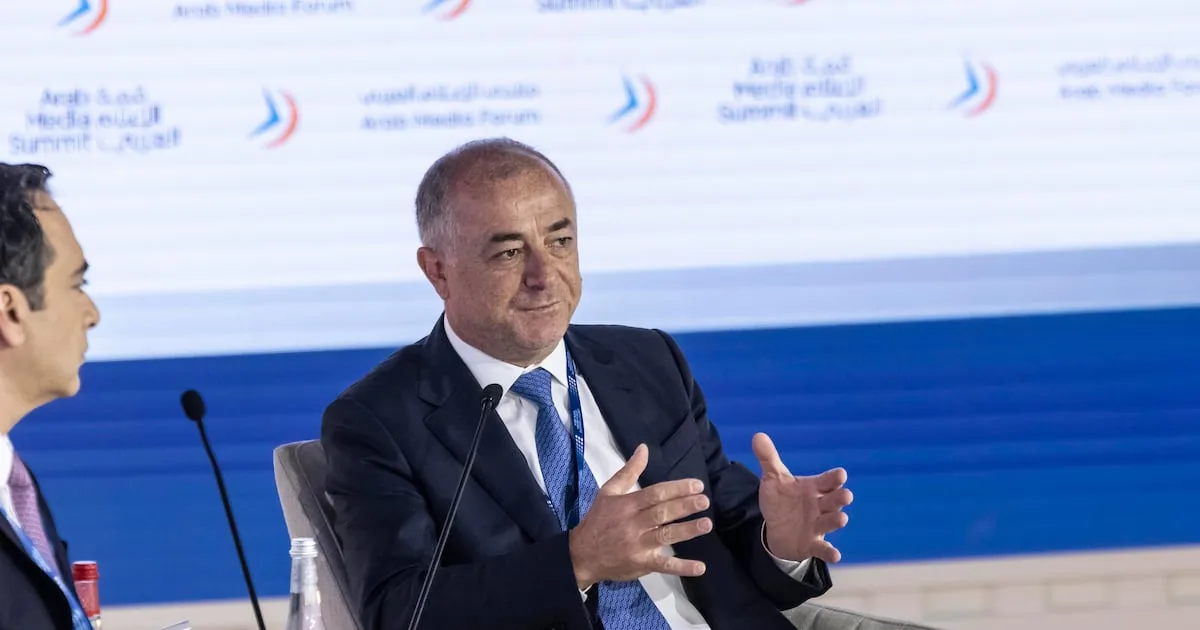
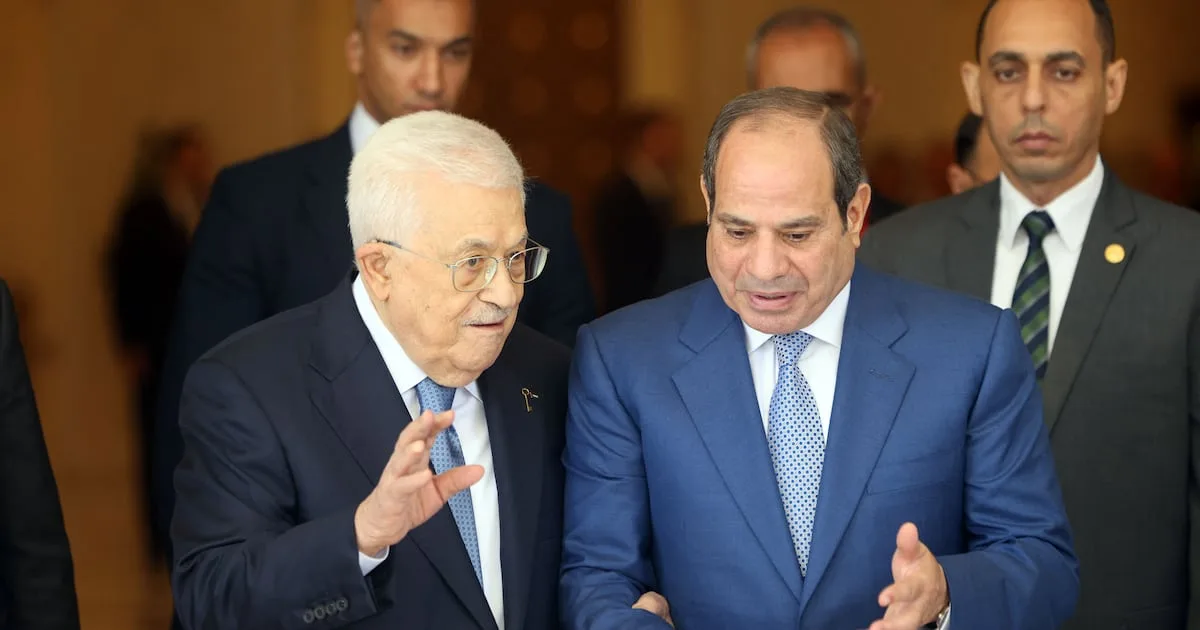
Meanwhile, Saudi Arabia and Egypt called for guarantees of freedom of navigation in the Red Sea. Saudi and Egyptian officials emphasized the importance of maritime security in the Strait of Hormuz and Bab el-Mandeb.
The ongoing conflict in Yemen, which had been halted since 2022, has prompted Saudi Arabia to react swiftly. American media reported that the Saudi Crown Prince made a personal request for U.S. intervention from Donald Trump, which faced opposition.
The Houthis believe that there is no threat to navigation in Bab el-Mandeb, except for Saudi ships. Any attack in this waterway could diminish its appeal for transporters.
The closure of this waterway could negatively impact Egypt's economy, as the Red Sea is a gateway to the Suez Canal, which Cairo relies on for foreign revenues.
On Tuesday, Qatar warned of the dire consequences of closing Bab el-Mandeb, describing it as "catastrophic for the entire world." The Houthis have also attacked Saudi Arabia's oil infrastructure, the world's largest oil exporter, contributing to a rise in global oil prices above $100 per barrel.
The Saudi coalition announced that it would respond to these attacks "decisively" and would take "all necessary practical measures to deter this hostile and extremist approach."
The Houthi military spokesperson, Yahya Saree, stated that Saudi Arabia has conducted 52 airstrikes on Yemen in the past 24 hours, accusing it of targeting civilian locations, including schools and bridges. However, Saudi Arabia's attacks have failed to reverse the Houthis' advances.
An American military force is working on enhancing information sharing and planning to assist Saudi forces against these attacks.