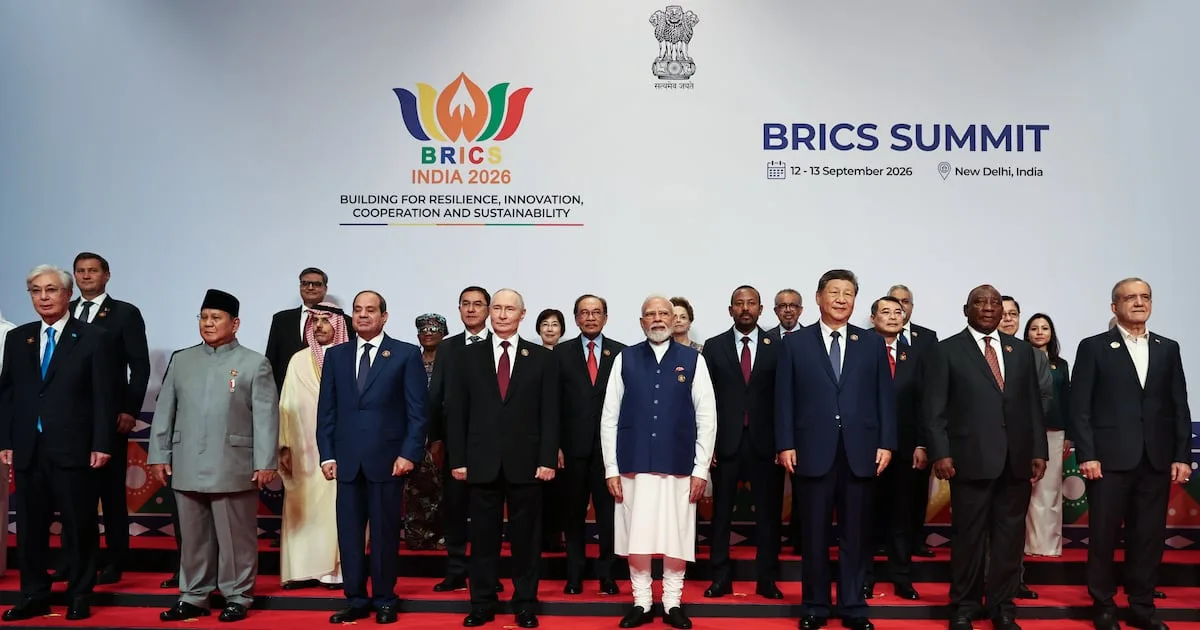
BRICS, consisting of Brazil, Russia, India, China, and South Africa, is emerging as a new economic entity. This union aims to enhance its role in the global economy by creating bridges between developing and developed countries. While many analysts view BRICS as a new bloc, this union is actually seeking to establish more effective communications and international cooperation.
BRICS Strategy for Expanding Cooperation
BRICS seeks to expand trade and economic relations among its members and other countries. The main goal of this entity is to facilitate trade and investment among member countries and strengthen relations with other nations. By holding regular meetings and collaborating on joint projects, BRICS is striving to become a key player in the global economy.
Read more: The Entry of Energy into a New Era of Disorder
Challenges and Opportunities for BRICS
Despite the many opportunities BRICS has in creating bridges, there are also challenges ahead. Competition among member countries and economic and political differences may hinder the achievement of common goals. However, as a young entity, BRICS can overcome these challenges by developing innovative solutions and utilizing new technologies.
Ultimately, by focusing on creating bridges rather than new blocs, BRICS can become a successful model for international cooperation. This approach not only helps member countries strengthen their relations but also leads to reduced tensions and increased economic cooperation on a global scale.
Read more: The Pricing Power of Rayonier Advanced Materials at its Peak, but Sales Volume Tells a Different Story · The Release of 507 Million Barrels of Oil from Global Reserves: A Wake-Up Call for the Market!