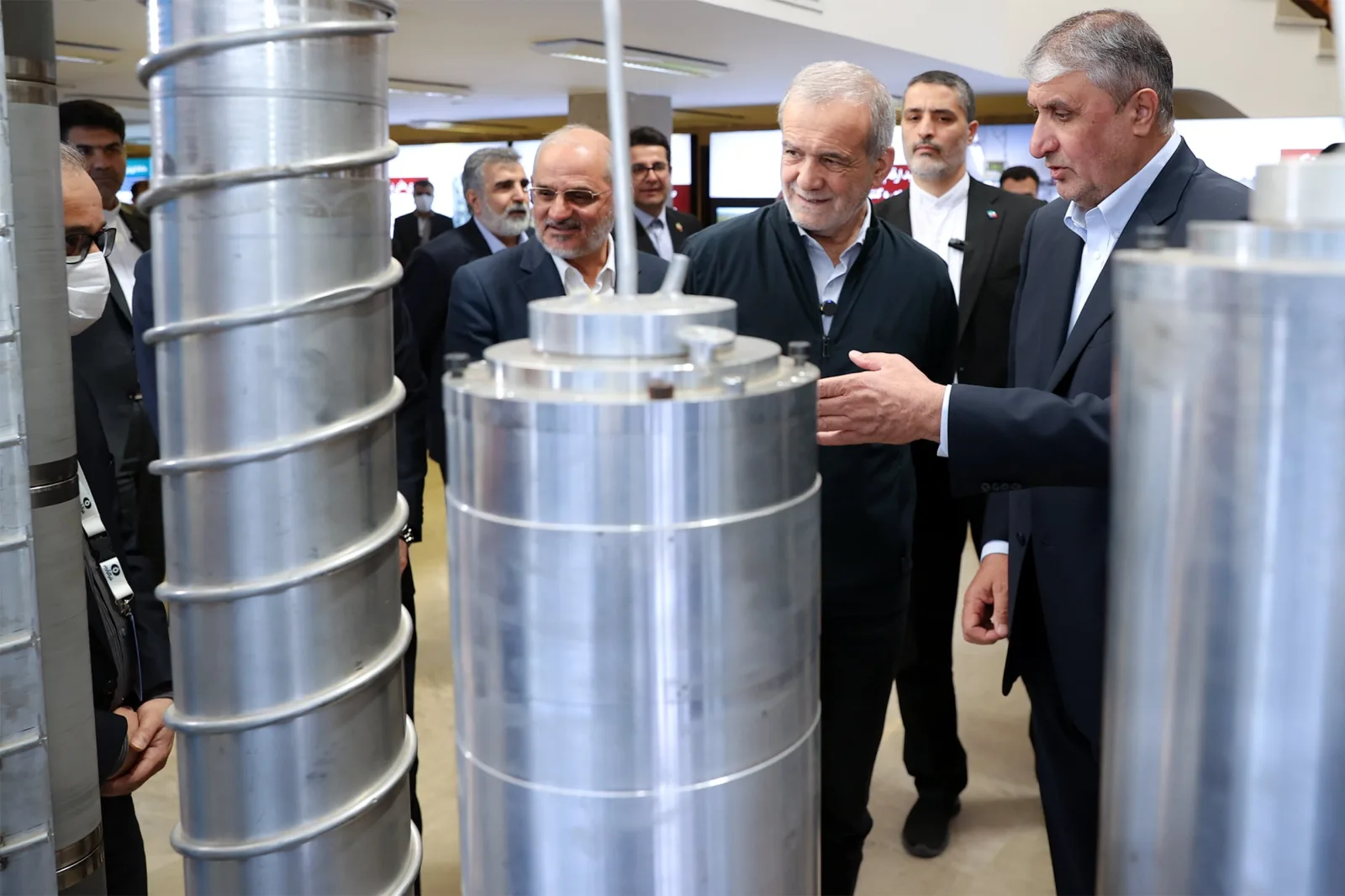
Mohammad Eslami, the head of Iran's Atomic Energy Organization, was barred from entering the UN meeting in Vienna on Monday. This action was taken due to pressure from the United States and his placement on the UN sanctions list. Eslami was scheduled to speak at this meeting, which was held at the headquarters of the International Atomic Energy Agency in Austria.
Details of the Sanctions and Reasons for the Ban
The ban on Mohammad Eslami's entry to the UN meeting is due to sanctions that were lifted under the 2015 nuclear agreement but were reimposed due to the "snapback" action taken a year ago. The Austrian Foreign Ministry announced that the country had requested an exemption from the UN Security Council but faced a negative response due to lack of consensus. Therefore, Eslami's entry to Vienna was not possible based on Austria's international commitments.
Read more: UAE to Host Peace Talks on Ukraine
Preston Wells Griffith, the US ambassador to the International Atomic Energy Agency, confirmed that the denial of the exemption followed urgent requests from the Trump administration. He added that an Iranian official on the UN sanctions list cannot travel until Tehran provides "meaningful cooperation" on nuclear issues.
Iran's Reaction and Political Dimensions
Iran has protested this ban, with Ismail Bagheri, the spokesperson for the Foreign Ministry, describing the action as "completely unjustified." Additionally, Iran's representative at the International Atomic Energy Agency, Reza Najafi, stated that this action is a political motivation and part of a "deeply concerning trend" that undermines Austria's role in international diplomacy.
Austria, as a neutral country, has long been a center for international activities and espionage. The International Atomic Energy Agency is part of the UN system, and Iran typically uses its membership in this organization to lobby in Vienna.
Iran and Russia stated that this ban is seen as part of a broader effort to prevent Iranian officials from obtaining visas for international travel. This action to bar the senior nuclear official from Tehran comes more than six months after the start of the US war with the Islamic Republic.
The Trump administration considers this war necessary to prevent Iran from acquiring nuclear weapons. Iran denies any nuclear intentions. The International Atomic Energy Agency announced this month that it has observed construction activities at the Peacock Mountain in Isfahan province, Iran, where suspicious nuclear activities are taking place. Trump referred last week to the existence of "some activity at Peacock" and warned Iran that "they should not play games, as we will have to respond severely to them."
Read more: Sheikh Mohammed bin Zayed Allocates $10 Million for Humanitarian Aid to Haiti · Iran and Gulf Countries; Talks in Oman to Strengthen Regional Security