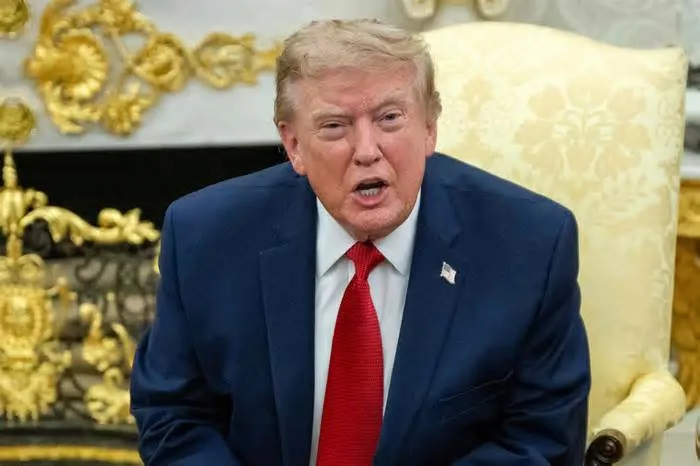
The Donald Trump administration has recently stated that the war with Tehran will come to an end immediately after the U.S. presidential elections in November 2023. These statements come as tensions between Washington and Tehran continue, with various issues on the agenda ahead of the elections.
Current Situation Analysis
The existing tensions between the United States and Iran intensified following the U.S. unilateral withdrawal from the nuclear deal, the JCPOA, in 2018. Since then, extensive economic sanctions have been imposed on Iran, severely impacting the country's economy. The Trump administration is trying to manage these tensions and reduce pressures to prevent negative economic and political repercussions on the U.S. economy.
Read more: Rescue of 13 Indian Crew Members; One Missing in Attack on Ship Near Oman
Potential Consequences of Ending the War
The end of the war with Tehran could have profound effects on global markets, especially the oil market. With reduced tensions, there is a possibility of increased oil supply from Iran, which could affect global oil prices. Additionally, Iran's return to global markets may lead to lower prices and simultaneously contribute to economic stability in the region.
Alongside this, the end of the war could create new opportunities for trade and investment in Iran. With the reduction of sanctions, international companies may be more inclined to invest in Iran's infrastructure and industrial projects, which could help boost the country's economic growth.
However, these changes are heavily dependent on the election outcome and the future policies of the U.S. government. While some analysts are optimistic about a positive future, others warn of the potential for non-compliance with past agreements and the likelihood of renewed tensions.
Read more: Trump Asks Ukraine to Stop Attacks on Russian Fuel Targets · Oil Price Reaches $100 a Barrel; Global Reactions Following U.S. Attacks