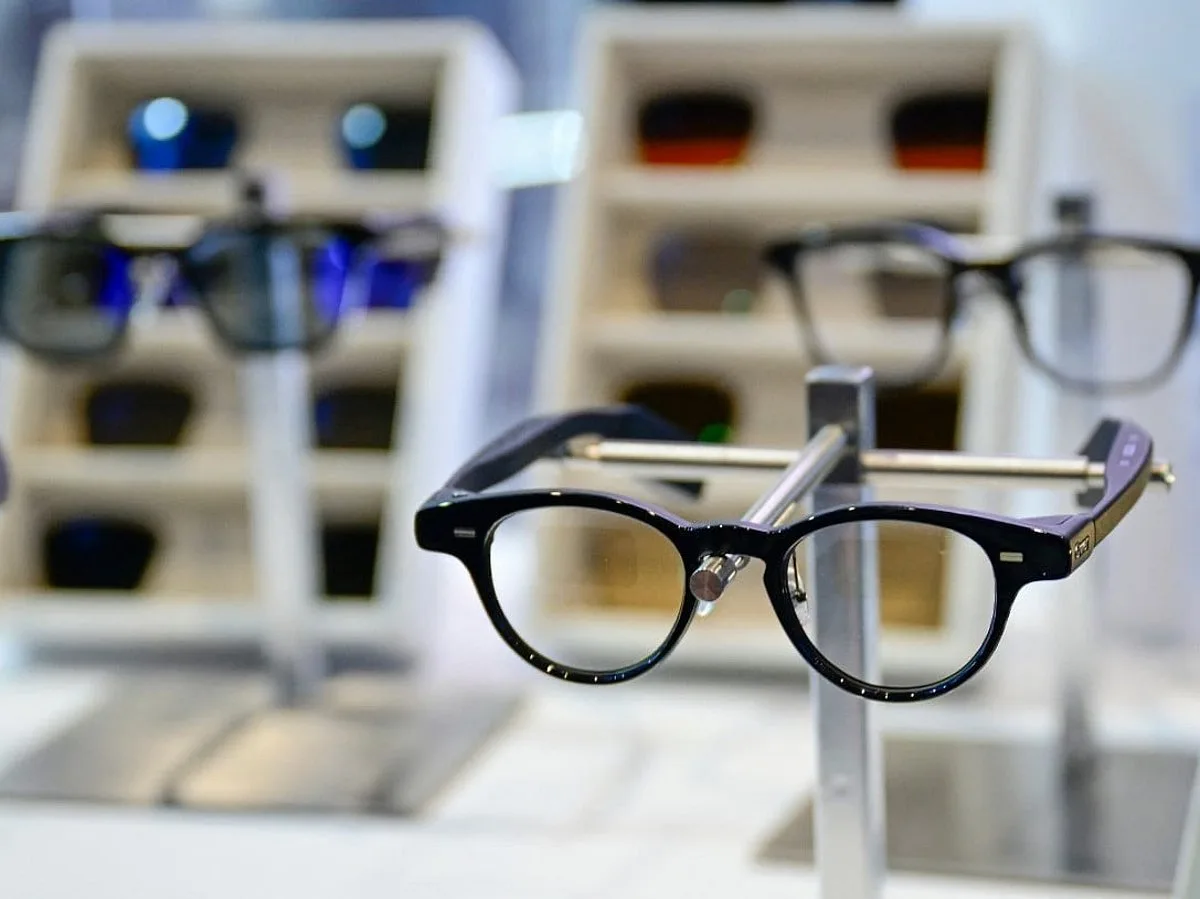
In recent days, new smart glasses known as "Sexual License" have become a controversial topic in Europe. These glasses, due to their unimaginable capabilities, raise serious concerns regarding privacy and security. From the UK to Norway and other European countries, the sound of protests is being heard, and officials and citizens are seeking solutions to prevent the misuse of this technology.
Social and Legal Consequences
In the UK, privacy advocacy groups have strongly protested against these glasses and have submitted requests to the government for a ban on their use. These protests have quickly spread to other European countries, with various institutions, including schools in Norway, moving towards banning the use of this technology. Such actions reflect deeper concerns about the potential negative impacts of this technology on society and individuals' privacy.
Meanwhile, EU lawmakers have also reacted to this issue, calling for stricter regulations to protect citizens' privacy. They emphasize that potential harms from this technology must be prevented through legislation. These reactions indicate a growing public concern that strongly feels the need for legal measures.
The Future of Technology or Privacy Violation?
While technology is rapidly advancing and smart glasses are being introduced as useful tools in many areas, concerns about privacy and personal data security continue to rise. Can this technology become a tool for surveillance and social control? This is a question that many experts and privacy advocates are addressing.
Ultimately, this issue represents new challenges that modern society is facing; challenges that require deeper discussion and examination. Should we trust these technologies, or should we seek solutions to protect our privacy? These questions are being raised not only in Europe but around the world and could impact the future of social interactions and individual rights.