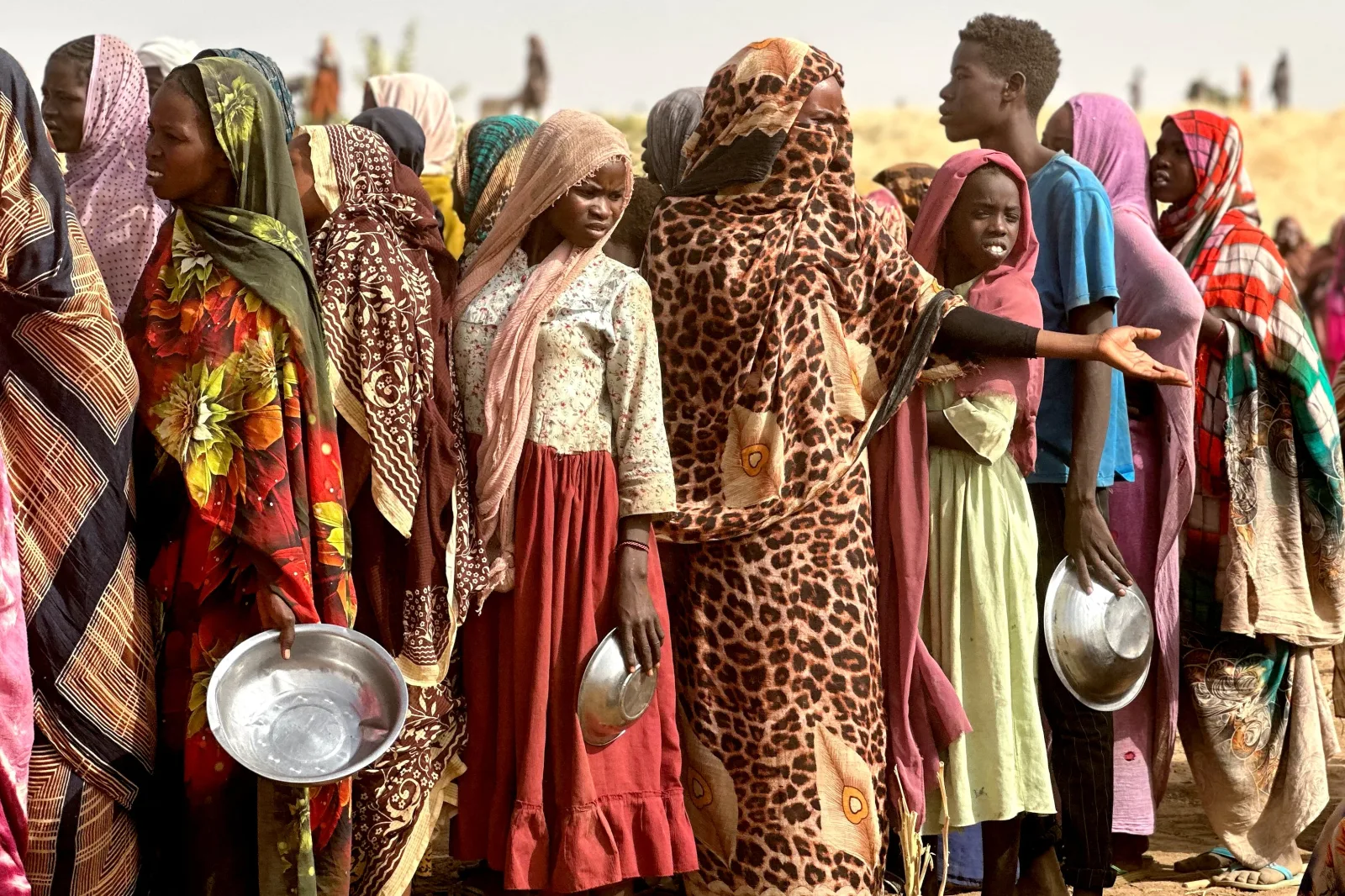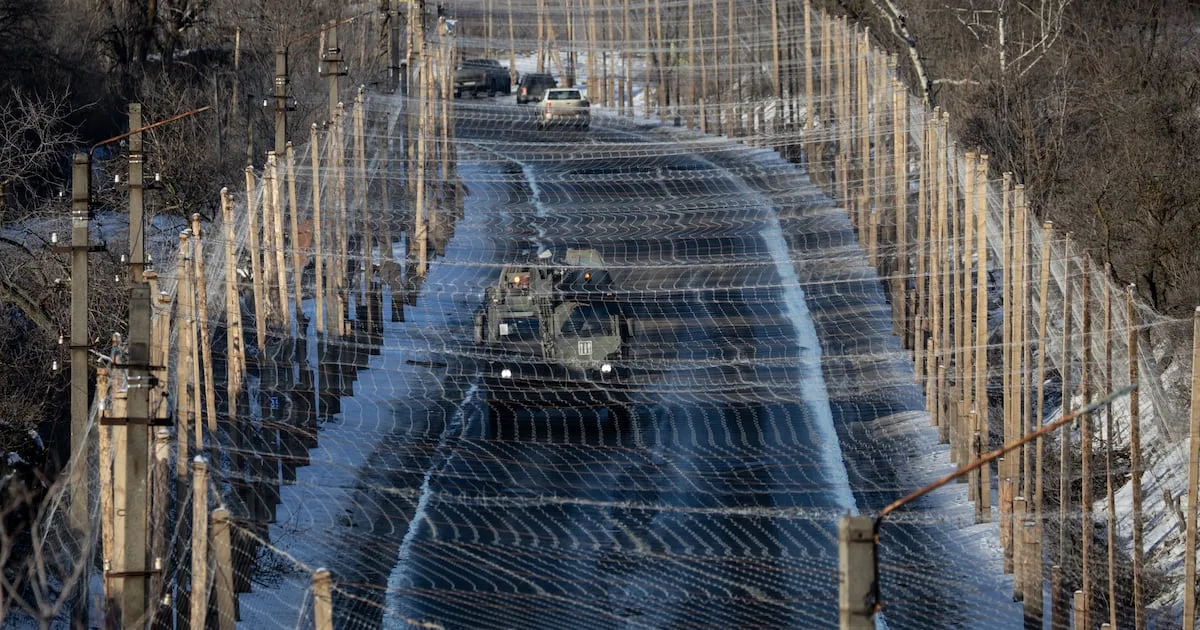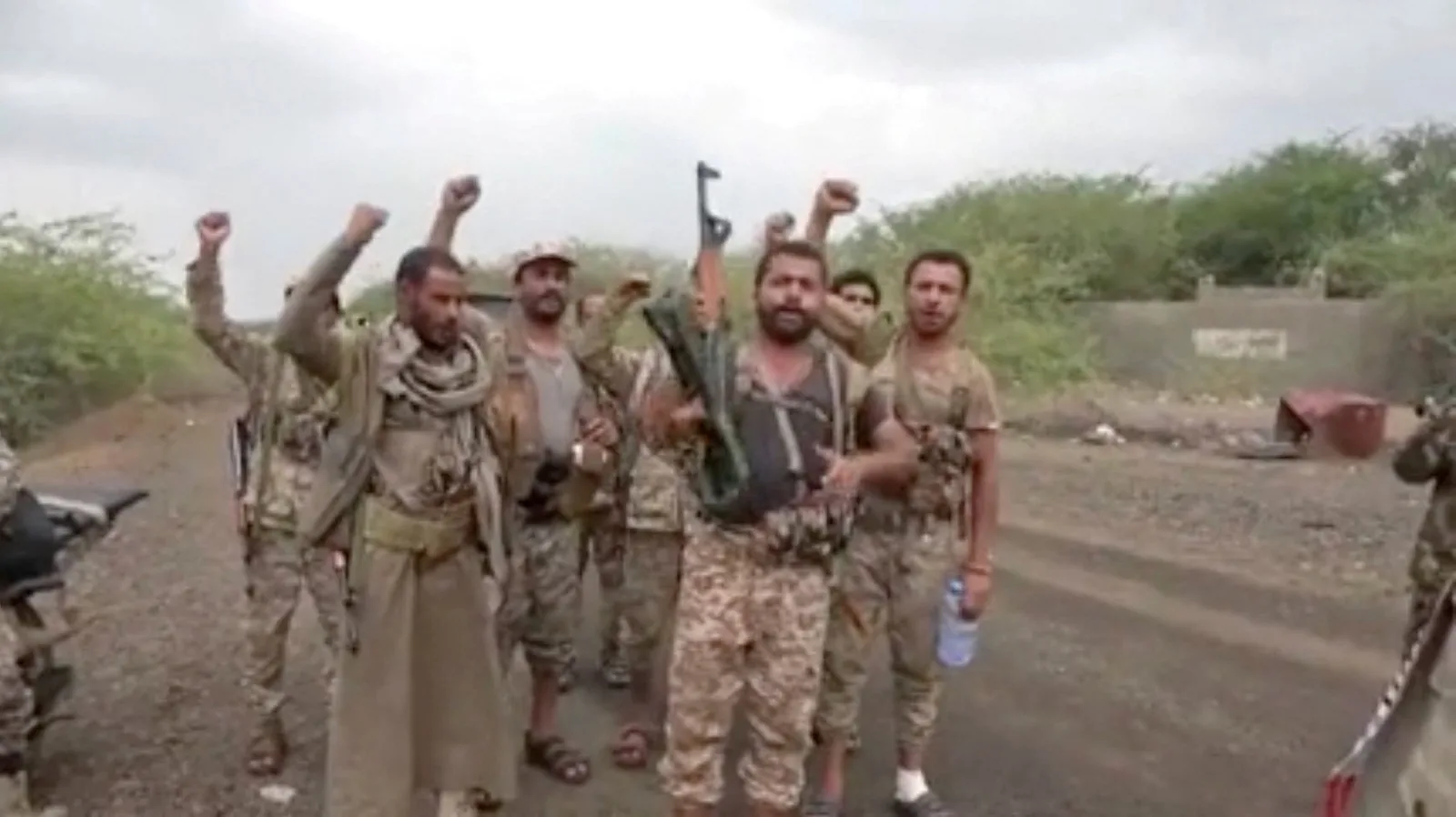
Since September of this year, Yemen has witnessed a significant increase in clashes and violence, leading to the displacement of approximately 80,000 residents of the country. This critical situation, especially in northern Yemen, has turned into a humanitarian disaster and raised significant global concerns.
Escalation of Violence and Its Impacts
The recent clashes, primarily between Houthi forces and the Yemeni government in the northern part of the country, have fueled the rise in the number of displaced persons. These conflicts have not only disrupted the daily lives of people but have also severely affected the provision of basic needs such as food and water.
Cities that were previously considered safe havens have now become battlefields. Families, fearing airstrikes and ground conflicts, have been forced to leave their homes, and many of them are now living in extremely harsh conditions.
Humanitarian Disaster in Yemen
Human rights and humanitarian organizations warn that this humanitarian crisis is rapidly escalating. Due to severe shortages of food and medicine, many displaced persons are at risk of diseases and health issues. A report from the United Nations indicates that over 24 million people in Yemen need humanitarian assistance, and this number is increasing daily.
Meanwhile, the international community is under significant pressure to find a solution to this crisis. Despite diplomatic efforts, the situation in Yemen remains alarming, and there seems to be no signs of de-escalation.
This situation not only affects the lives of millions of Yemenis but also jeopardizes regional security. Displacement and widespread poverty could lead to increased extremism and further violence in the future. In this regard, the need for immediate and effective action from the international community is more pressing than ever.
Yemen, recognized as one of the poorest Arab countries, is now on the brink of a serious humanitarian crisis. Yemeni displaced persons face greater challenges such as securing shelter, food, and water, and this situation has turned into a humanitarian disaster that requires urgent attention.