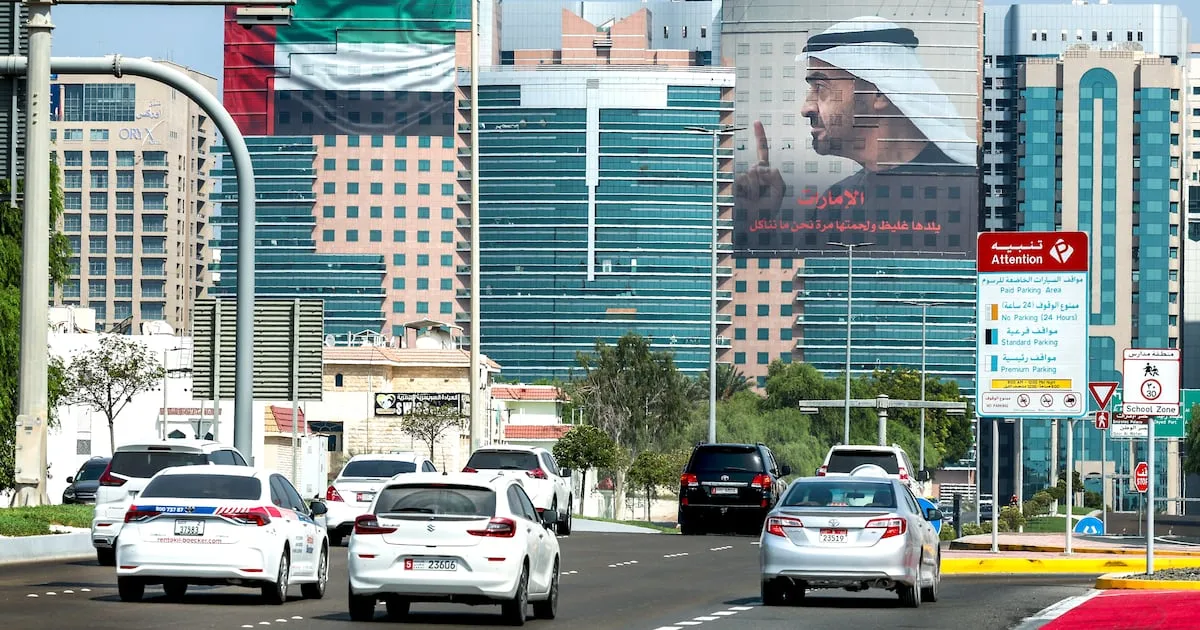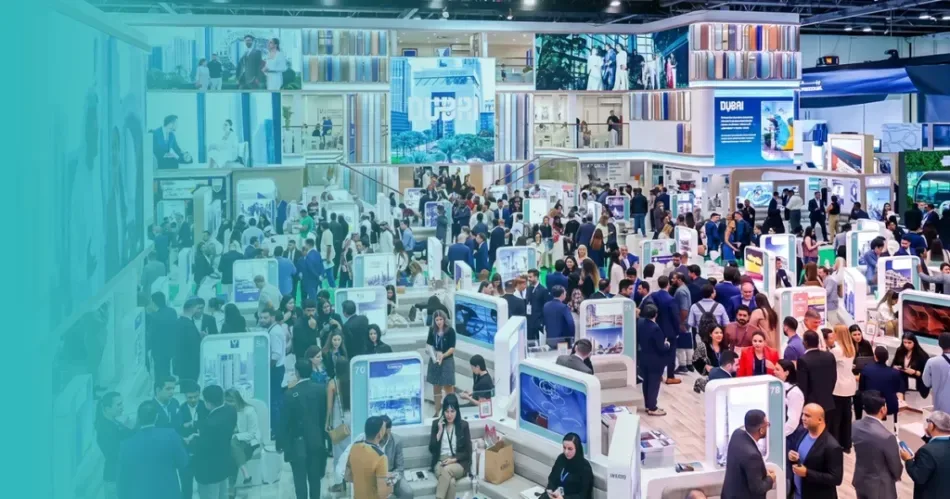
Abu Dhabi and Dubai have been introduced as the main "competitors" for change in the global economic landscape in a report from Oxford Economics. These two emirates, along with Riyadh, the capital of Saudi Arabia, represent the Middle East in the list of 28 "notable cities" in the Global Cities Index report released on Tuesday.
Assessment Criteria and Strengths
Oxford Economics evaluated these cities based on five criteria: economy, human capital, quality of life, environment, and governance. Five African cities including Accra, Cairo, Dakar, Luanda, and Nairobi, as well as cities from the Asia-Pacific region such as Bangalore, Ho Chi Minh, Kuala Lumpur, Shenzhen, and Tashkent, are also included in this list. Europe, Latin America, and North America each have five representatives.
Read more: Amazing growth of UAE space companies' stocks following SpaceX IPO
Analysts at Oxford Economics believe that these "dynamic competitors" are transforming markets that create independent growth paths that officials and other key stakeholders cannot ignore. The performance of these cities' economic models can serve as templates for others, as cities that perform well in one category tend to succeed in others as well.
Dubai and Abu Dhabi's Status in the New List
Dubai has climbed 9 places in the 2025 list to rank 42 among the top 50 cities, achieving second place in human capital and 53rd in the economy. Oxford Economics analysts pointed to immigration reforms such as the golden visa program and retirement visa designed to encourage long-term stays, especially for high-income individuals.
On the other hand, Abu Dhabi has fallen 11 places to rank 84, achieving sixth place in human capital and 110th in the economy. However, analysts emphasized that "economic development in other emirates and the Gulf region feeds off the success of Abu Dhabi's economy." Abu Dhabi is also transitioning towards economic diversification and transformation.
Riyadh has also climbed 47 places to rank 50, achieving fourth place in human capital and 18th in the economy. This progress significantly reflects economic and social development in the city. Riyadh has also been "more protected than other Middle Eastern cities" against tensions arising from conflicts between the U.S. and Iran.
Future Outlook and Challenges
Overall, these three Gulf cities have "entered the global stage and are increasingly attracting a skilled workforce and innovative businesses." However, recent conflicts in Iran may threaten these advancements. Analysts say that "the combination of deep financial reserves and strong long-term fundamentals means that the region's major cities will continue their strong growth."
Business activity in the UAE's non-oil sector improved in August at the fastest pace since December 2024. The S&P Global UAE Purchasing Managers' Index indicates clear signs of improvement. Additionally, Saudi Arabia's non-oil sector also reported growth in business activity in August, marking the strongest expansion in the past six months.
Major cities in the Middle East are recognized as key players in the global economy, but political challenges could impact their ability to attract investment and skilled labor.
Read more: Transfer of Dubai airport services to Al Maktoum airport from next year · UAE's $46.6 billion investment in Germany: A transformation in industry and technology