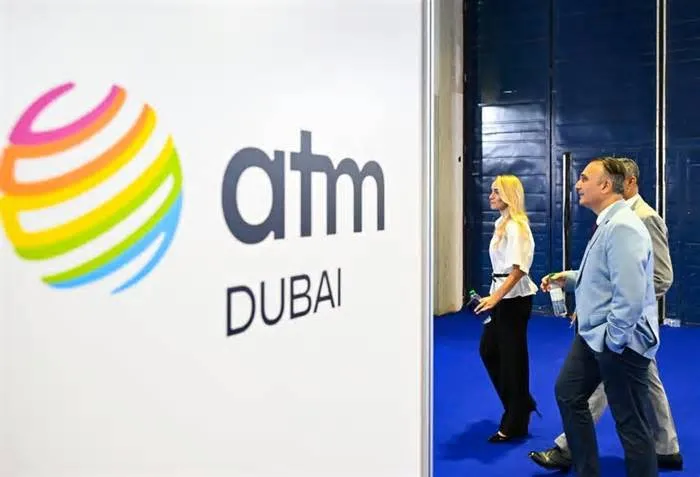
The Arabian Travel Market 2026 (ATM) is taking place at the Dubai World Trade Centre with the presence of tourism officials, airlines, hotels, and technology companies. This four-day event, which continues until Thursday, has attracted over 2,800 exhibitors and 55,000 tourism professionals, emphasizing the priorities of artificial intelligence and the increasing appeal of China as a tourist destination.
The Role of Technology in the Tourism Industry
This exhibition clearly demonstrates the growing role of technology in the travel and tourism industry. Marwan Al Zarouni, CEO of Artificial Intelligence at the Dubai Economy and Tourism Department, stated that travelers are increasingly using artificial intelligence for inspiration, research, and recommendations, creating a need for tourism information to be provided accurately and accessibly for AI systems.
Read more: The CLARITY Bill's Failure in the Senate Harms the Cryptocurrency Industry
He added, "Traditional search rankings are no longer sufficient" and emphasized that artificial intelligence should be implemented across all destinations, airlines, hotels, and government entities, not just in separate applications.
Expanding International Collaborations in the Tourism Sector
Irshad Ali, a software developer at Techno Havan Consulting, announced that the company has increased its investment in AI services for hotels, travel agencies, and airlines across the Middle East. He stated that there is still significant room for collaboration between the tourism and technology sectors, and considerable market potential lies ahead.
Siddharth Sudhakar, General Manager for the Middle East and North Africa at the Chinese company Trip.com, said that Gulf consumers are significantly familiar with technology. He proposed a two-way exchange: bringing Middle Eastern travel experiences to Chinese consumers and also transferring China's technological and AI innovations to the Middle East.
Attracting Middle Eastern Tourists to China
Meanwhile, Shahab Shayan, a tourism marketing and trade official in Dubai, warned that the AI industry must learn to use it accurately and extensively, while the human element in tourism remains central to focus.
Additionally, another notable topic at ATM 2026 is the reverse flow of attracting Middle Eastern tourists to China. For the third consecutive year, the Chinese Cultural Center in the UAE has brought a Chinese tourism delegation to the exhibition. This group includes 28 companies from eight provinces and cities, including Beijing, Shanghai, and Guangdong, making it the largest Chinese delegation in the event's history.
Liu Yang, the center's director, stated that increased familiarity with China through the internet and social media could lead to deeper tourism and human relations. Nawal Al-Kubaisi, a Qatari tourism professional, said that interest in China among Middle Eastern travelers is increasing, particularly influenced by social media and familiarization trips.
Now in its 33rd edition, the Arabian Travel Market 2026 is held under the theme "Travel 2040: Advancing New Frontiers Through Innovation and Technology," reflecting the industry's desire to look beyond recovery and towards a technology-centered future.
Read more: Airline Alliance and Swissport Expand Their Global Cooperation · Day One Report of GISEC Global 2026 on AI Threats and Critical Infrastructure