Emirates expects to restore its full pre-war seat capacity by the end of the year, as travel demand through Dubai returns to normal after months of disruption caused by the Iran war. The Dubai-based airline is currently operating about 95 percent of its February capacity and has returned to nearly all its destinations.
Profitability Expectations and Financial Challenges
Adel Al Redha, Vice President and Chief Operations Officer of Emirates in the Arab travel market, stated: "At around 95 percent, you are almost at your goal." He added that Emirates expects to regain its pre-war capacity by the end of the year, although there are still some destinations where flight frequencies have not increased. The airline has refrained from disclosing the financial costs resulting from war disruptions, but Al Redha stated that the company still expects to report a profit for the current fiscal year. He said: "I expect the company to be profitable, although not to the level that was anticipated, but we are doing well."
Read more: Legal Revolution in the Emirates: Fundamental Changes in Civil Transactions Law
Increased Demand and Operational Costs
Demand for travel to and from Dubai has increased, and the airline has reported strong registration numbers in July and August. Al Redha also predicted that we will see an increase in demand in September. He emphasized: "We are seeing increased demand in September, and the high demand is on the rise." However, war-related disruptions have impacted Emirates' financial performance. High fuel costs and longer flight routes due to airspace restrictions have added to the airline's operational costs. The highest operational costs for Emirates are related to fuel, which typically accounts for 33 to 35 percent of expenses.
Al Redha continued: "Fuel costs, as one of the major elements of our operations, have increased due to disruptions caused by price changes and daily fluctuations. We know that all airlines, including Emirates, are exposed to high fuel prices." He also stated that ticket prices are changing due to rising operational costs, but he did not predict how much this increase would be.
Expansion of Flight Network and Fleet
Emirates currently flies to 138 destinations and plans to launch a new route to Helsinki starting October 1. Al Redha stated regarding the resumption of direct services to Tehran that this decision depends on the relevant authorities and will be dependent on time and demand. He also mentioned that the start date for planned services to Berlin is still pending internal reviews and necessary conditions.
Emirates is also preparing for the final phase of its Airbus A380 fleet. Al Redha predicted that this aircraft will remain in service until around 2040. He said: "The final phase is because we can only operate this aircraft to a certain extent, as its maintenance is very difficult and costly." Currently, Emirates has 116 superjumbo aircraft, with about 90 in service and the rest undergoing maintenance or upgrades.
The airline has received 27 Airbus A350s so far and is expected to add its 28th soon to the fleet. Additionally, Emirates has over 300 Boeing aircraft on order. The airline will use the A350 for flights to Helsinki next month and then to Larnaca, Malta, Nairobi, and Hamburg in late October and Mauritius in November.
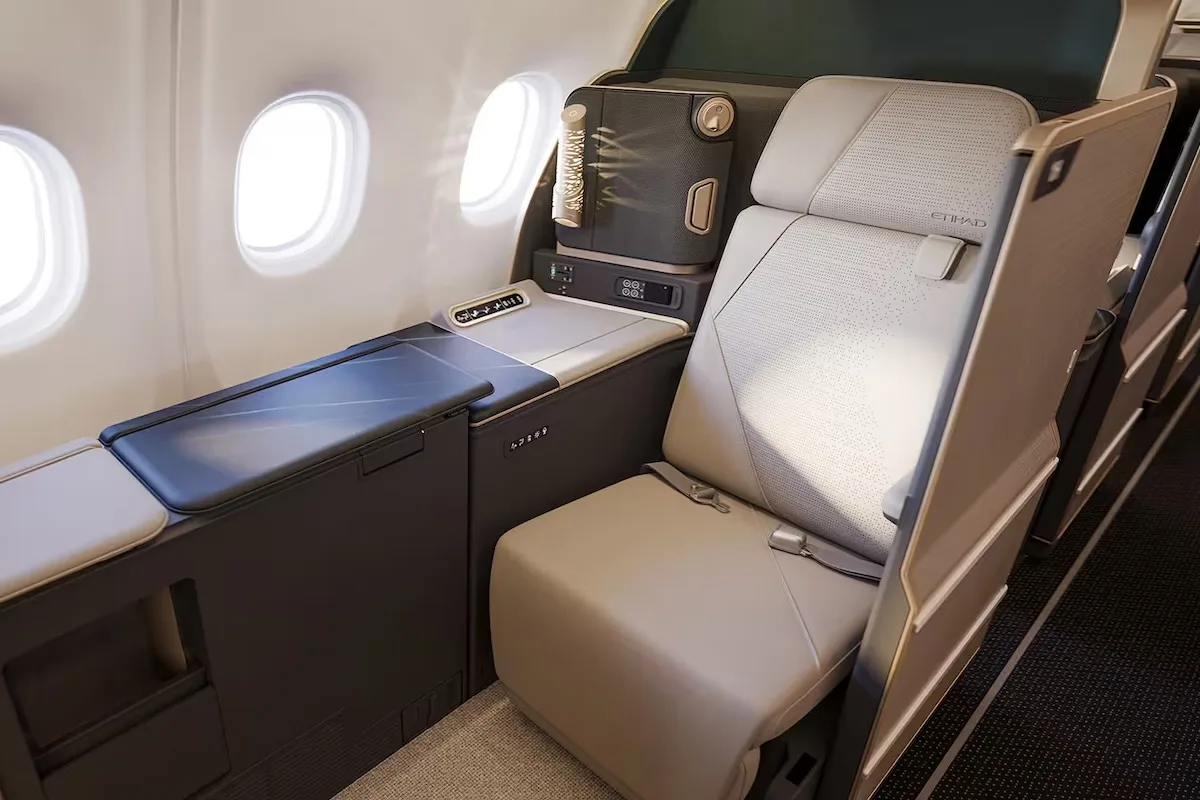
Emirates has now completed upgrades on 104 aircraft, and this number is expected to increase to 137 with the latest cabin products and premium economy class. This number is expected to reach 155 by the end of December.
Read more: A Successful German Journey in Abu Dhabi: Life, Work, and Culture · Emirates carried 8.6 million passengers with growth in winter registrations