The sanction challenges against Iran under Trump's administration, especially considering China's economic dependency, have become a complex issue. In early September, U.S. Treasury Secretary Scott Basset announced the start of an "economic operation" against Iran, describing it as the "largest financial attack" against an enemy. This comes as the success of this program depends on China's cooperation, a country that was once an ally of the U.S. but is now considered a strategic rival.
Dependency on Chinese Banks and Secondary Sanctions
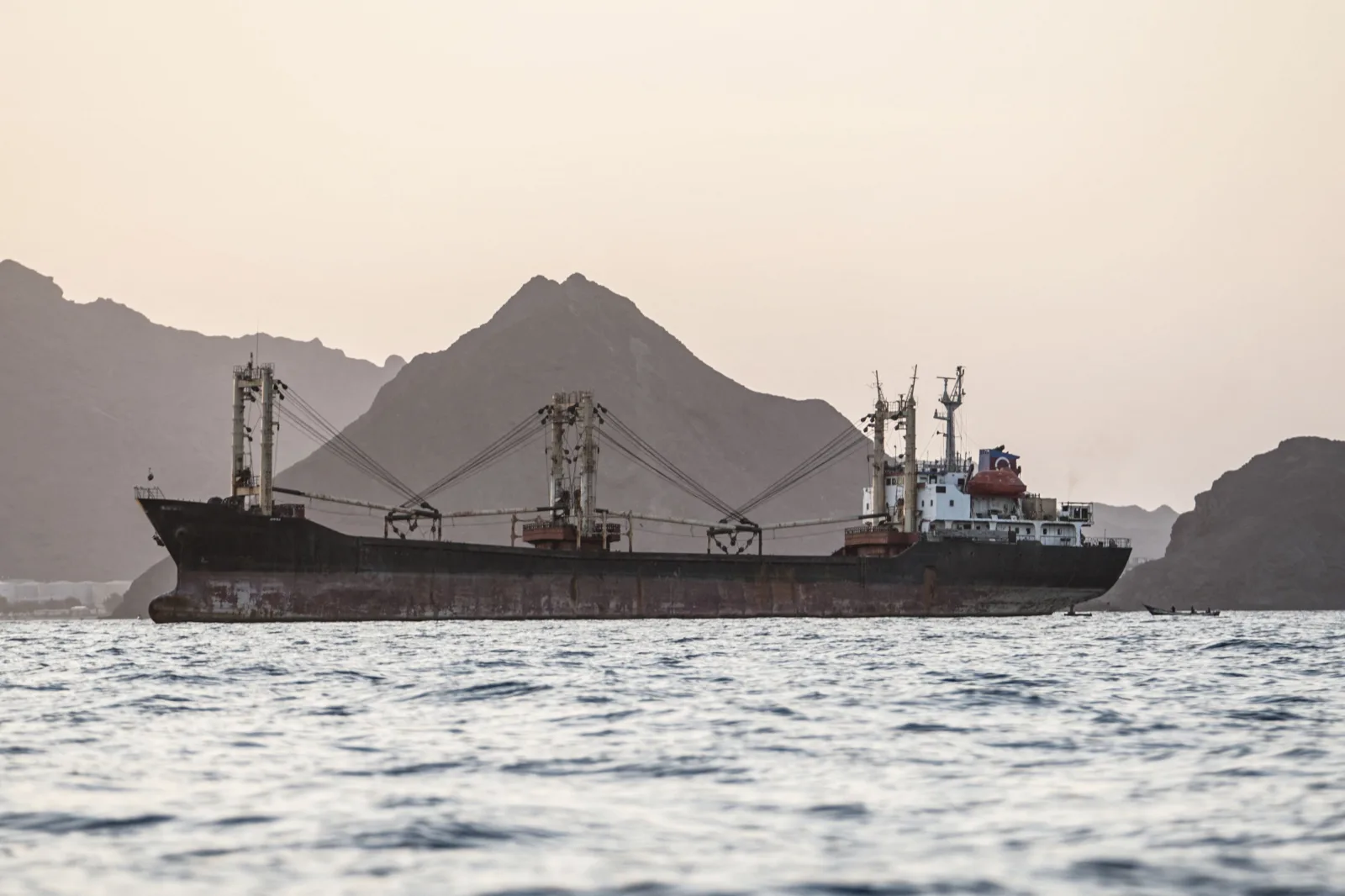
For Trump's "no leak" policy to be effective, foreign financial institutions must carefully scrutinize their clients. Without the cooperation of Chinese banks, imposing sanctions and achieving a "complete isolation" of the Iranian regime seems impossible. Before the closure of the Strait of Hormuz, it was estimated that China purchased about 90 percent of Iran's oil exports. Years of sanctions have shifted Iran's oil trade to an alternative system capable of operating without the dollar and the SWIFT interbank payment system.
Read more: UAE Raises Overnight Deposit Rate After Federal Reserve Rate Increase
Many of these trades are conducted through Iran's informal banking system known as "hawala." According to estimates, this system processes "tens of billions of dollars" in transactions annually, a significant portion of which relates to the sale of Iranian oil and petrochemicals. Currently, Iran settles these sales primarily in yuan.
Challenges from Smaller Chinese Banks
U.S. secondary sanctions have previously altered the behavior of major Chinese banks. For instance, after Russia's invasion of Ukraine in February 2022, foreign units of the Industrial and Commercial Bank of China (ICBC) refrained from issuing dollar letters of credit for purchasing physical Russian goods. Meanwhile, major Chinese banks tend to distance themselves from U.S. sanctions due to the need to maintain access to dollar liquidity and international banking relationships.
However, the main challenge lies within China's financial system and among thousands of smaller regional banks that have less connection to the dollar system. In 2023, the People's Bank of China identified over 3,800 urban and rural banks and credit cooperatives. In 2024, with increasing U.S. threats, Russian companies have increasingly turned to these smaller banks that have little connection to Western markets.
The key question for the Trump administration is whether it can compel smaller Chinese banks to scrutinize clients and transactions suspected of being linked to Iran and to avoid them if such connections are discovered. Chinese buyers of Iranian crude oil, particularly independent refineries in Shandong, do not need to send money to an Iranian bank and can use leading companies abroad for payment.
This situation makes identifying and enforcing sanctions more difficult. Instead of merely refraining from trading with sanctioned entities, banks must look for hidden connections to Iran in accounts and transactions. This requires more thorough investigations of actual ownership and counterparties.
The U.S. Treasury Department is now explicitly placing this investigative burden on foreign banks, and in April, the Office of Foreign Assets Control warned financial institutions that independent refineries in China must undergo more rigorous scrutiny. The department has also indicated that secondary sanctions may be imposed on these institutions.
Read more: Oil Price Drop; Brent Oil Reaches $104.82 per Barrel · Dr. Anwar Gargash: Attacks on Saudi Arabia are a Threat to UAE Security