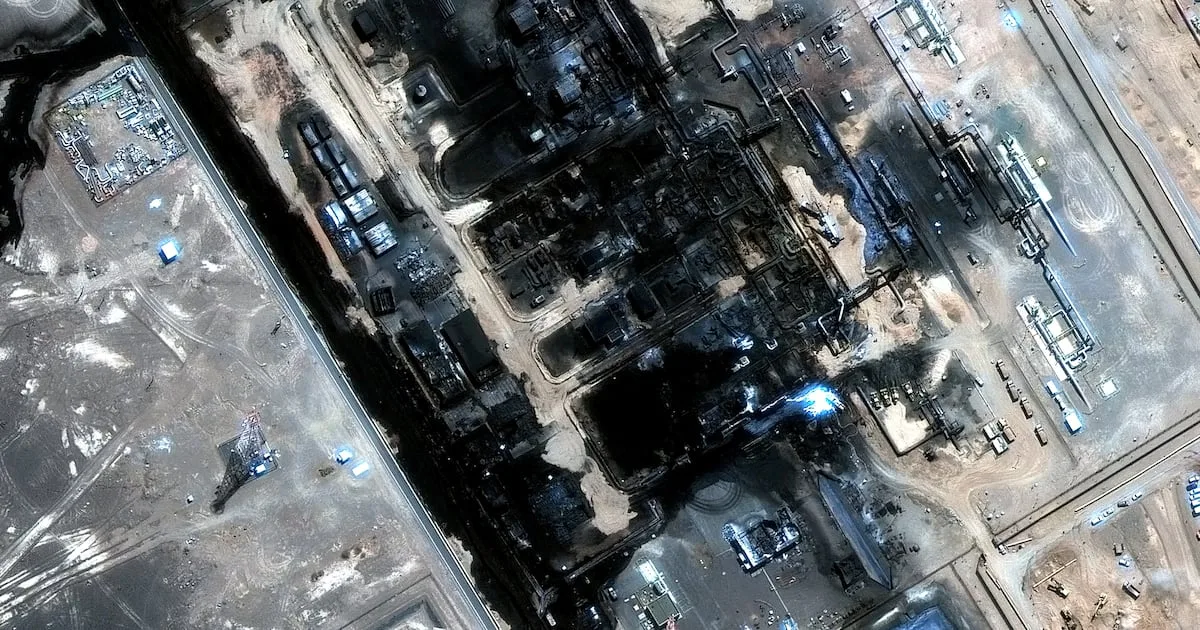
Qatar has recently warned that the reopening of the Strait of Hormuz will not affect the return of this country's natural gas exports to pre-war levels. According to Qatari officials, the damage to two production units at the Ras Laffan facilities has resulted in a reduction of production capacity by 12.8 million tons per year.
Consequences of the reopening of the Strait of Hormuz
While some analysts believe that the reopening of the Strait of Hormuz could help increase natural gas exports, Qatari officials have clearly stated that the current production situation will negatively impact exports. The fact that two units in Ras Laffan have been damaged means that Qatar cannot return to its previous production levels, and this will affect global gas markets.
Read more: Standard Chartered's market forecast on investment opportunities in India
Challenges facing Qatar's gas industry
Qatar's gas industry, one of the largest exporters of liquefied natural gas (LNG) in the world, is now facing new challenges. Given the reduction in production capacity, the country must consider new strategies to maintain and increase its share in the global gas market. Additionally, new laws and regulations regarding gas exports and energy supply could impact Qatar's exports.
As a result, Qatar must carefully assess market conditions and demand to return to its previous successes in gas exports. These conditions could lead to increased competition in the global gas market and force Qatar to make new strategic decisions.
Read more: 26.8% increase in stock purchases by technology companies in 2026 · Houthi assault on Mocha and the fall of ship passages in Bab al-Mandab and Hormuz