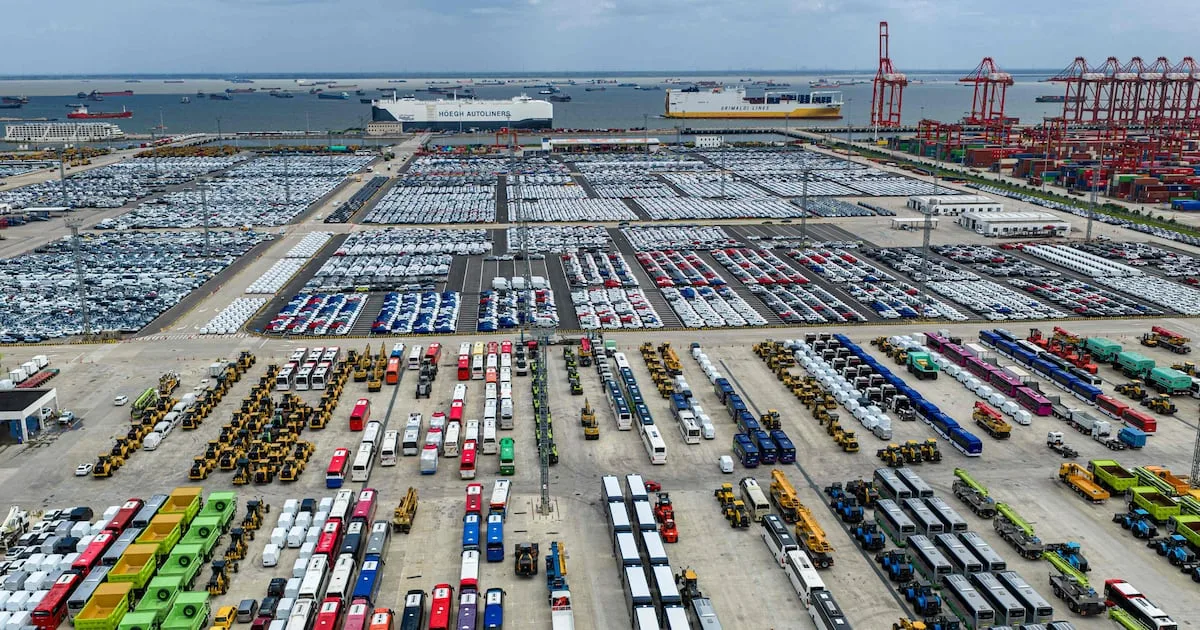
The tanker fleet has officially returned to activity in the Strait of Hormuz, and the transfer of oil and gas between ships in this area is clearly on the rise. This trend signifies the revival of a key sector in the global energy supply chain, which will have significant impacts on global oil and gas markets.
Current Situation Analysis
Recent movements in the Strait of Hormuz indicate a return to normalcy for the tanker fleet. This region, recognized as one of the most important energy transport hubs in the world, has faced security challenges in recent months. However, with the return of tankers to operational status, it is expected that oil and gas prices will be affected.
Read more: Increase in fuel prices in Syria and widespread protests
Impact on Global Markets
The return of tankers to the Strait of Hormuz is seen as a positive sign for global markets. Increased activity in this region can help alleviate concerns about energy supply and affect prices globally. Additionally, these movements may strengthen trade relations between countries and companies active in the oil and gas sector.
Moreover, monthly reports from the oil market indicate that global demand for oil is on the rise, which in turn could lead to increased tanker freight rates and related transportation regulations. Also, the rising demand for oil and natural gas could contribute to economic prosperity in countries that depend on these resources.
Read more: Zoot is expanding zPayments in 171 countries with instant payments · 507 million barrels of oil drained from global reserves: A warning bell for the market!