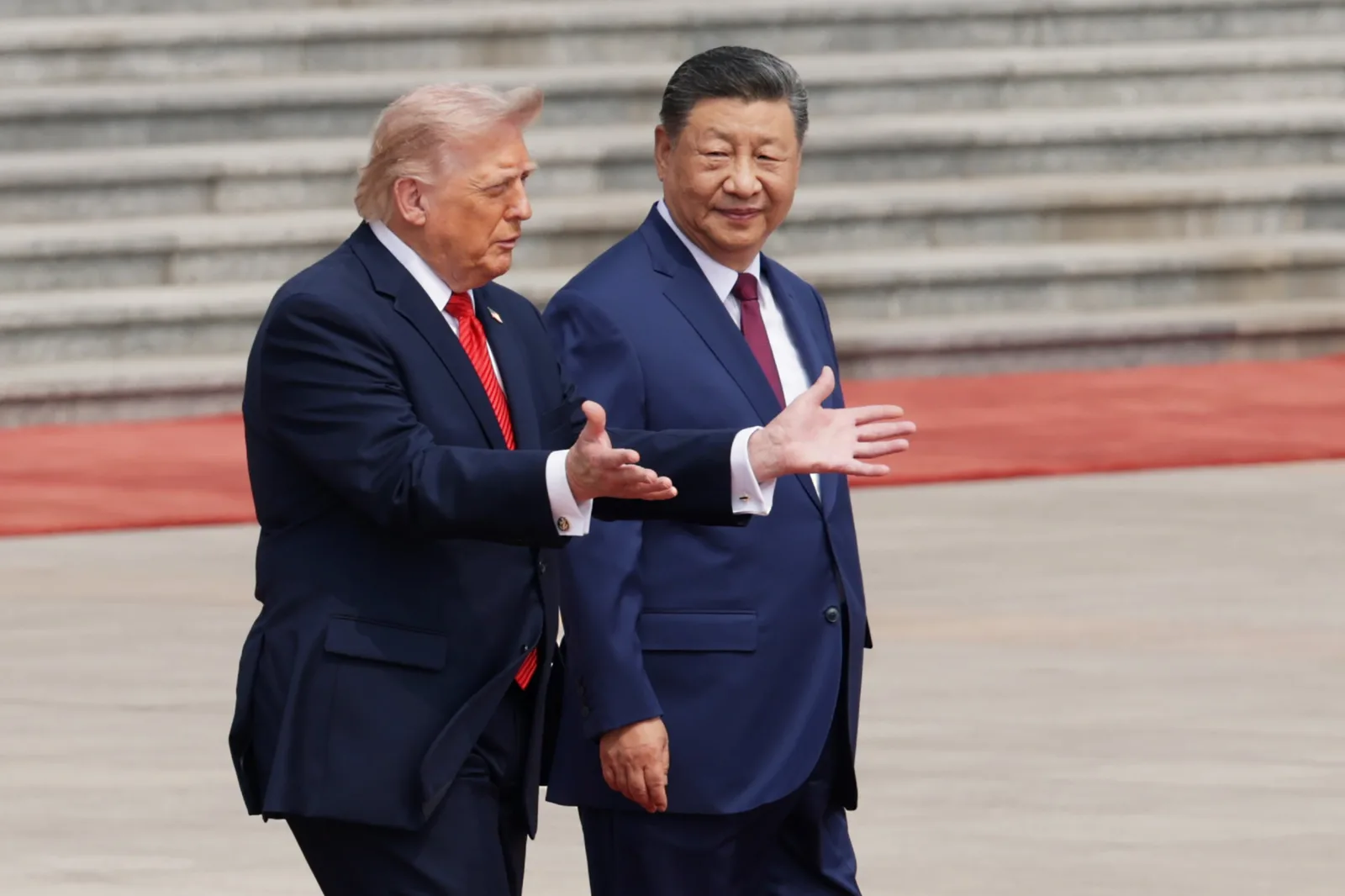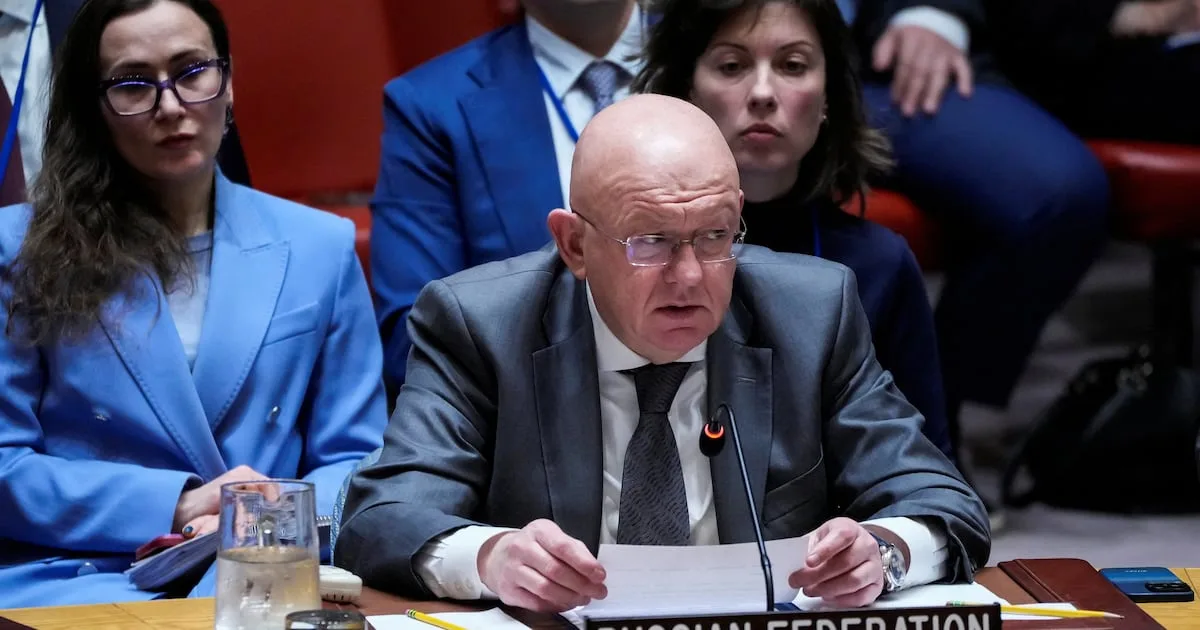
Russia and China vetoed the United States draft to extend oversight of Iran sanctions at the United Nations yesterday. This decision clearly reflects the continued close cooperation between Moscow and Beijing in political and economic fields.
Dimensions of the Russia and China Decision
The veto of this draft occurred while the United States was seeking to maintain pressure on Iran to limit its nuclear and military programs. However, Russia and China, emphasizing Iran's sovereignty and calling for the lifting of sanctions, stated that this action harms regional stability.
Read more: Israel and Morocco Agree to Enhance Diplomatic Relations
These developments also indicate changes in the global power structure, in which the two countries are increasingly standing against Western policies. This issue could also affect global markets and particularly create fluctuations in oil and gas prices.
Economic Consequences of the Sanctions Veto
The recent veto may also lead to increased economic cooperation among Iran, China, and Russia. These countries may seek to expand trade relations and joint investments in energy, infrastructure, and technology. Particularly, China, as one of the largest importers of Iranian oil, could easily take advantage of these opportunities.
On the other hand, this decision could strengthen black markets and increase Iran's influence in international markets. Moreover, the non-extension of sanctions could enhance investor confidence in the Iranian market and attract foreign investments.
However, this process may also come with challenges. Negative reactions from the United States and Western countries could lead to new sanctions that could negatively impact the economy of Iran and its allied countries.
Read more: Hashim Thaci Sentenced to 25 Years in Prison for War Crimes