The meeting between the UAE and Iran in New Delhi has provided an important opportunity for the two countries to examine the future of their relations, despite existing differences. Dr. Anwar Gargash, the diplomatic advisor to the President of the UAE, stated this at the Arab Media Summit in Dubai.
Details of the Meeting and Its Impacts
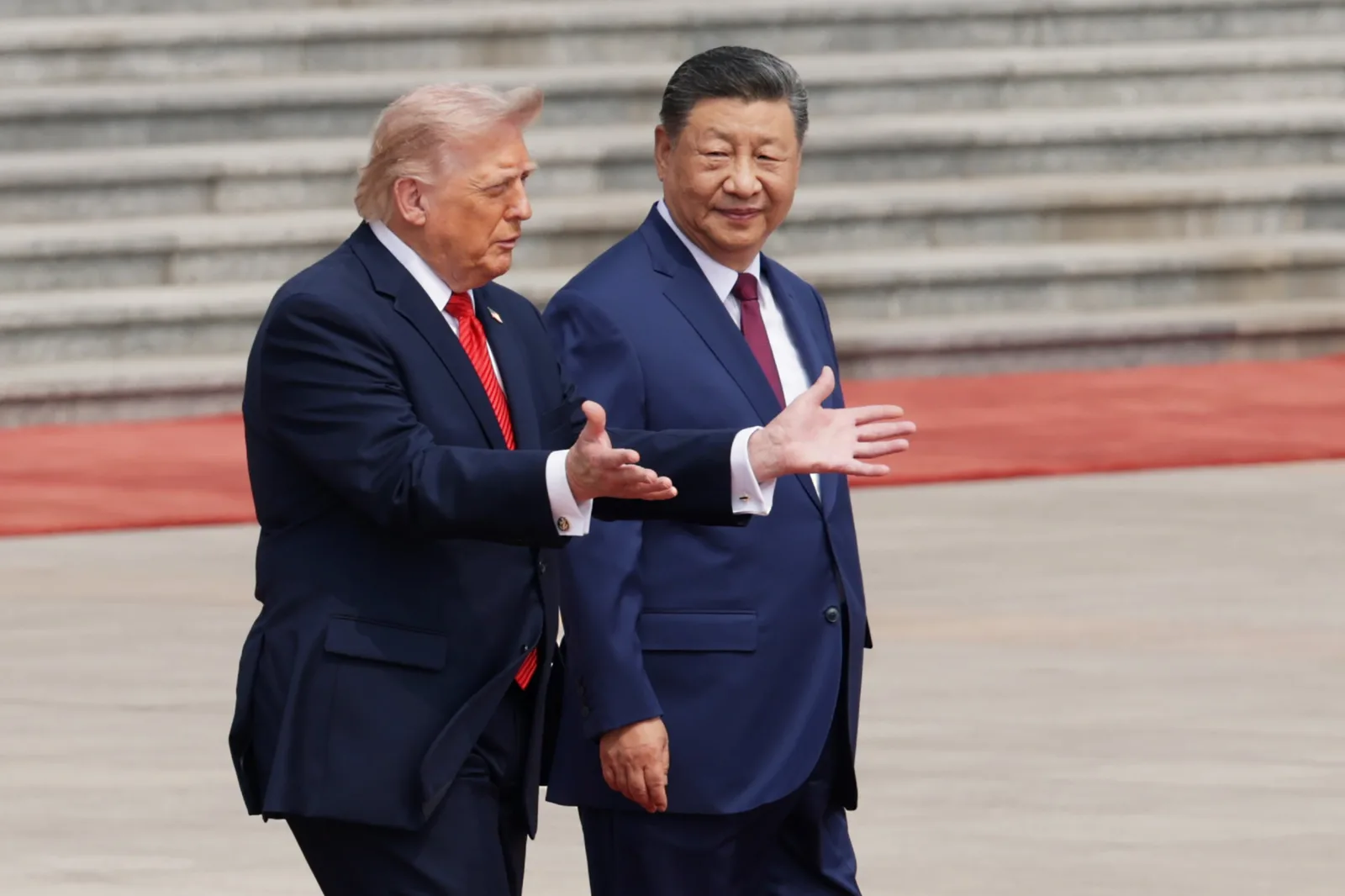
This meeting, held on September 12 during the BRICS summit in the Indian capital, took place between Sheikh Khalid bin Mohammed bin Zayed Al Nahyan, Crown Prince of Abu Dhabi, and the President of Iran, Masoud Pezeshkian. This meeting does not signify an agreement on all issues between the two countries, but it has provided an important channel for resolving tensions and examining the future of relations.
Read more: The US does not grant Mahmoud Abbas a visa to enter the UN General Assembly
Gargash also described Pezeshkian as a voice of reason in a time of crisis, stating that his positions and statements during prolonged crises should be taken into account. He emphasized that the UAE's policy is a combination of deterrence and diplomacy, and geography necessitates interaction with Tehran.
Challenges and Future Strategies
Gargash pointed to changes in the geopolitical landscape of the region, stating that the immediate challenge is not only managing the current crisis but also establishing a sustainable framework for future relations. He clarified that dialogue and communication are essential for revitalizing economic and commercial activities, including trade, aviation, and access to markets and ports. However, he emphasized that reopening channels and rebuilding trust are separate tasks.
He said: "Relations are one thing, and trust is another." According to Gargash, trust must be gradually rebuilt after pressures and severe attacks in the region. He also urged Iran to reconsider its model of influence in the region, stating that Tehran should focus on economic development and cooperation rather than strategic expansion and proxy groups.
Gargash added that the Gulf countries are seeking a stable region based on respect for sovereignty, non-interference, and securing trade routes. Any sustainable agreement requires actions that build trust, not just declarations.
The UAE's policy is based on maintaining open diplomatic channels while being able to defend the country. This is a balance between diplomatic flexibility and decisiveness in deterrence and self-defense.
Gargash also emphasized the leadership of Sheikh Mohammed bin Zayed Al Nahyan, stating that the UAE's approach is a combination of political stability, realistic diplomacy, and the ability to protect the country's interests. Regarding Saudi Arabia, he stressed that the security and stability of this country are integral to the security of the Gulf.
Gargash noted that security across the Gulf is interdependent, and a threat to one country cannot be viewed separately from the interests of its neighbors. Regarding regional conflicts, including Yemen, he rejected the use of armed groups outside state institutions.
Read more: India protested to the Pakistani diplomat over a maritime accident · The United Arab Emirates was introduced as the best country in terms of taxation for global citizens