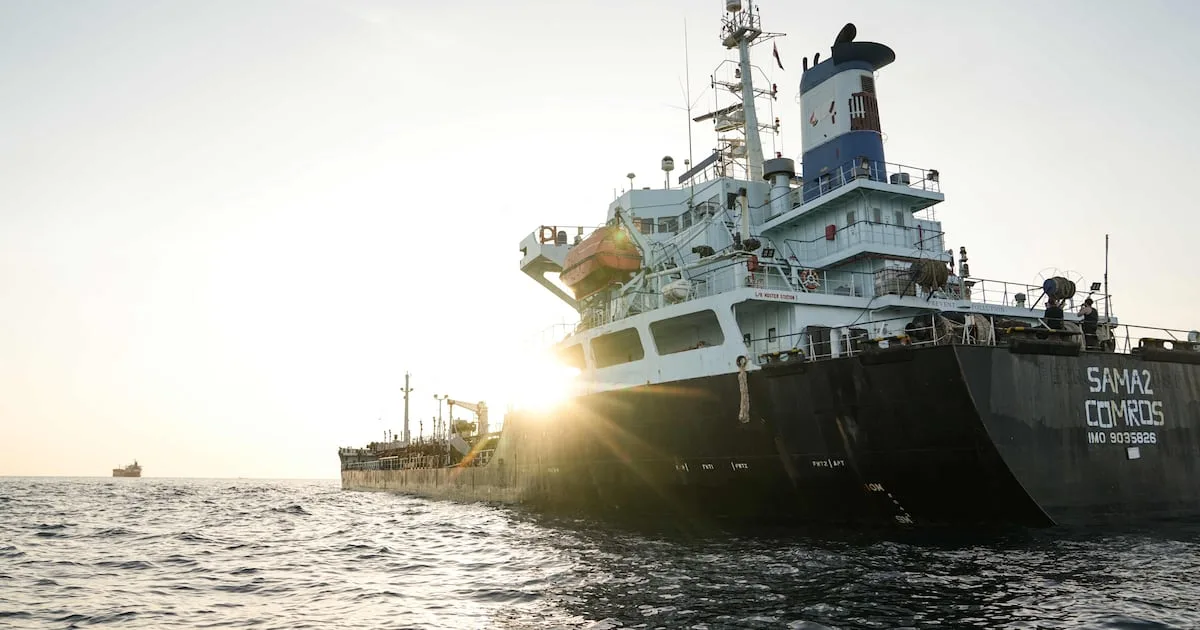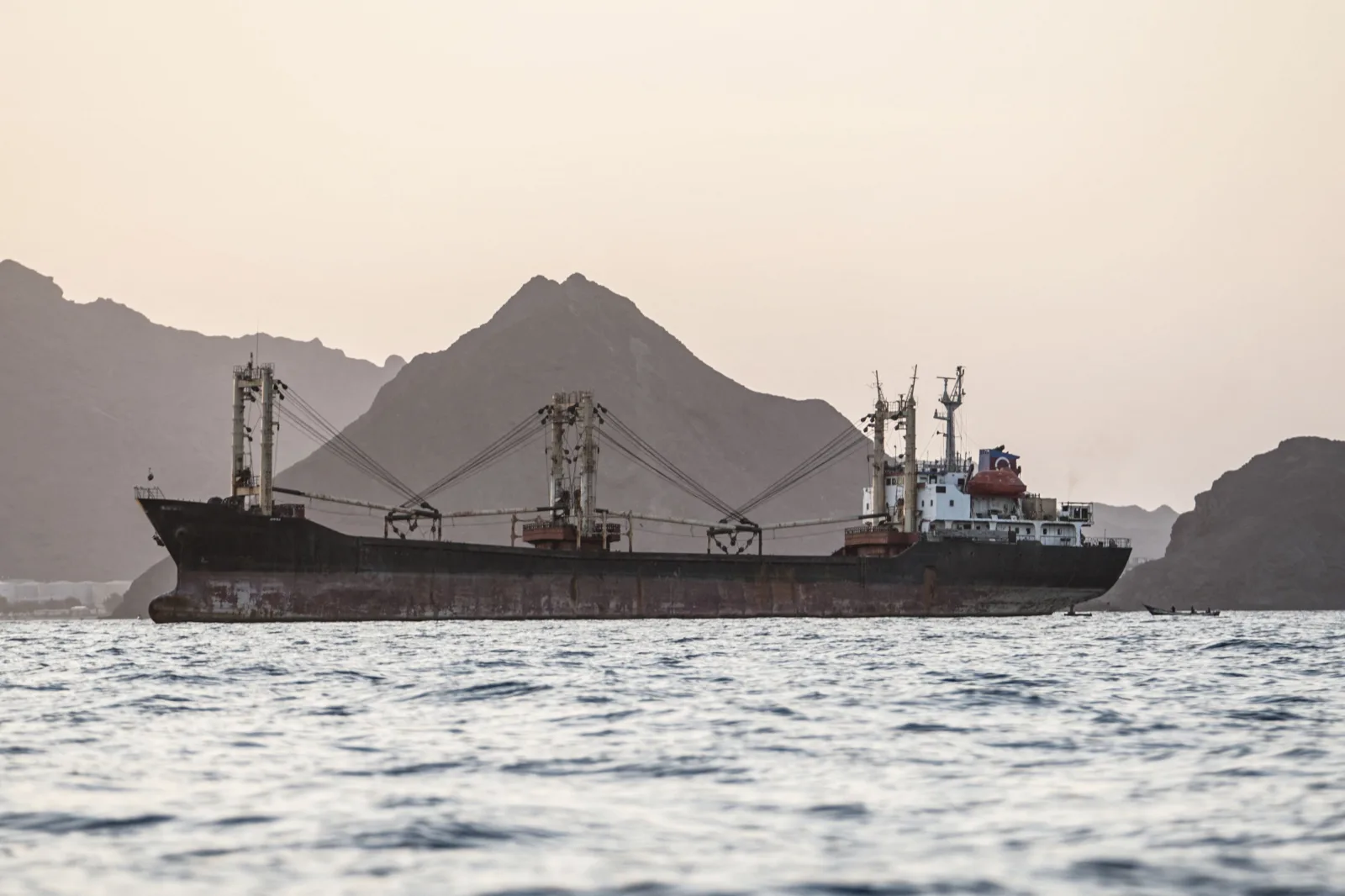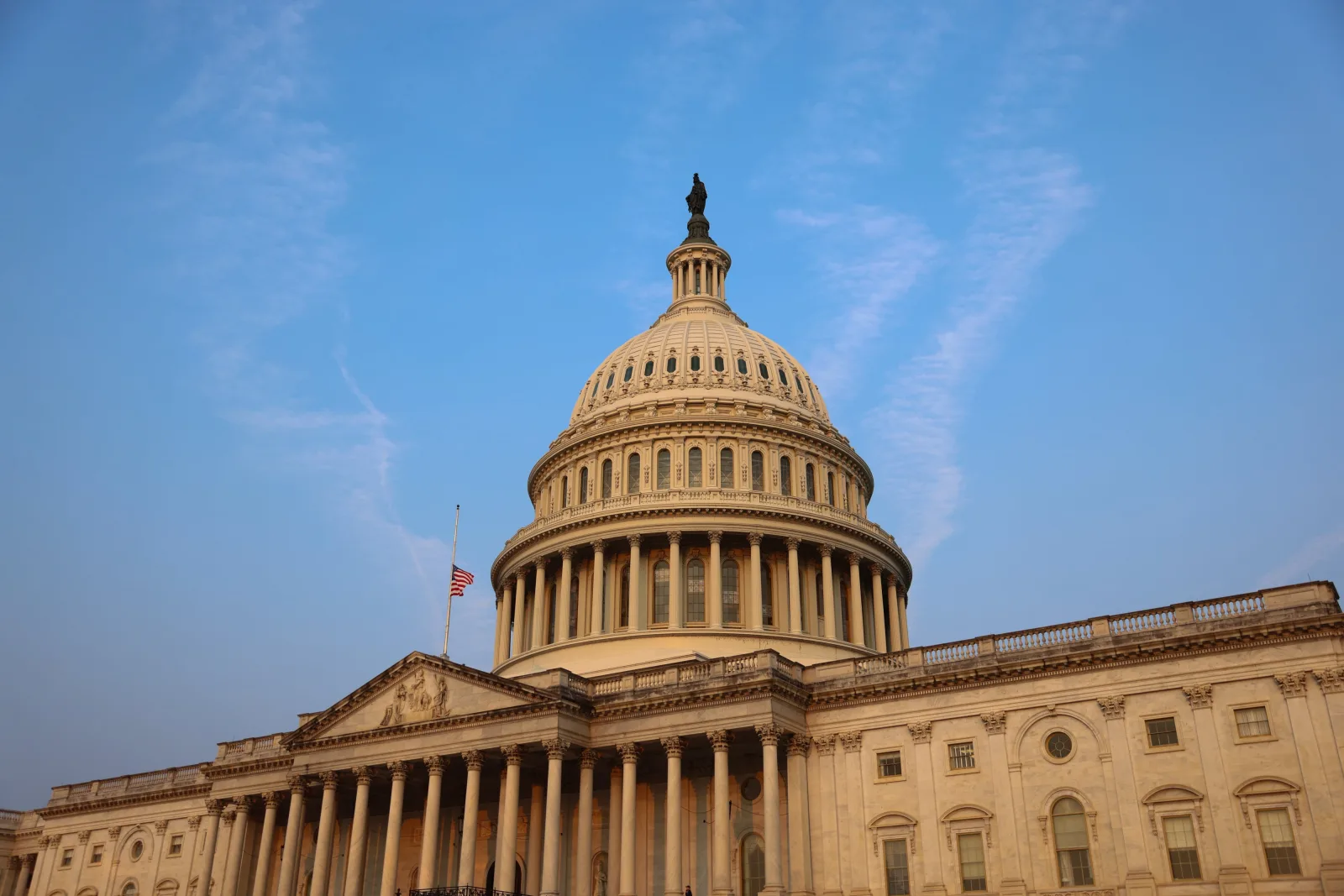
The President of the United States, Donald Trump, signed a law on Friday that imposes new sanctions against Russia and solidifies punitive economic measures against Iran for the next five years. This law is named in memory of the late Senator Lindsey Graham, a staunch critic of Russia and supporter of sanctions against Iran.
Details of the Sanctions and Their Consequences
This law, which was passed in the House of Representatives last week and previously in the Senate last month, allows Trump and future presidents to impose tariffs of up to 100 percent on major Russian energy importers. These importers include countries like India, Japan, and some European Union nations. Additionally, countries that assist in circumventing Russian energy sanctions will also be affected.
Read more: UAE Raises Overnight Deposit Rate After Federal Reserve Rate Increase
This action is aimed at pressuring Moscow's leadership to end the ongoing war in Ukraine, which has now entered its fourth year. Trump had previously expressed hesitation about imposing sanctions on Russia, but with the continuation of the war, he has shown increased support for this idea.
Impacts on Iran and Other Legal Aspects
The section of the law related to Iran extends the Iran Sanctions Act of 1996, which was set to expire this year. The goal of these sanctions is to maintain pressure on Iran's arms and energy industries and reduce government revenues. The United States is conducting an operation called "Economic Exile Operation," aimed at cutting off Iran's financial resources globally.
Scott Basset, the U.S. Treasury Secretary, announced this week: "As part of the Economic Exile Operation, the Treasury Department will continue to target and disrupt those who provide material, technological, or financial support to the Iranian regime. These actions help the Iranian regime continue its terrorist activities."
This law not only helps solidify the U.S. position against Iran and Russia but could also have profound effects on the global energy market and international economic relations. Given that these sanctions could lead to rising oil prices and volatility in energy markets, investors and economic analysts should closely monitor these developments.
Read more: Oil Prices Drop; Brent Hits $103 and WTI Hits $100 · World Meteorological Organization: Countries Must Prepare for Water Crisis