The use of chemical weapons in Syria and Sudan has involved serious violations of international law. In 2013, reports emerged regarding the use of chemical weapons by Bashar al-Assad's government against its own people. This issue came back into focus a few years later with the outbreak of civil war in Sudan and allegations of the Sudanese army's use of chemical weapons.
The Importance of Implementing the Chemical Weapons Convention
Robert Fairweather, former head of the Organization for the Prohibition of Chemical Weapons, emphasizes that the implementation of the Chemical Weapons Convention must be carried out by any means possible. He states: "There is increasing evidence suggesting that chlorine may have been used in Sudan similarly to Syria."
Fairweather points to the similarities between the barrel bombs used in Syria and Sudan, adding: "If we want to preserve the convention, we must utilize this convention and ensure compliance with international standards."
Gathering Evidence and Challenges
In Syria, media reports such as those from the BBC and CBS have drawn global attention to the plight of victims. A security advisor to the British army, Hamish de Bretton-Gordon, shares his experiences from this crisis and emphasizes the need to gather verifiable evidence to hold the Assad regime accountable.
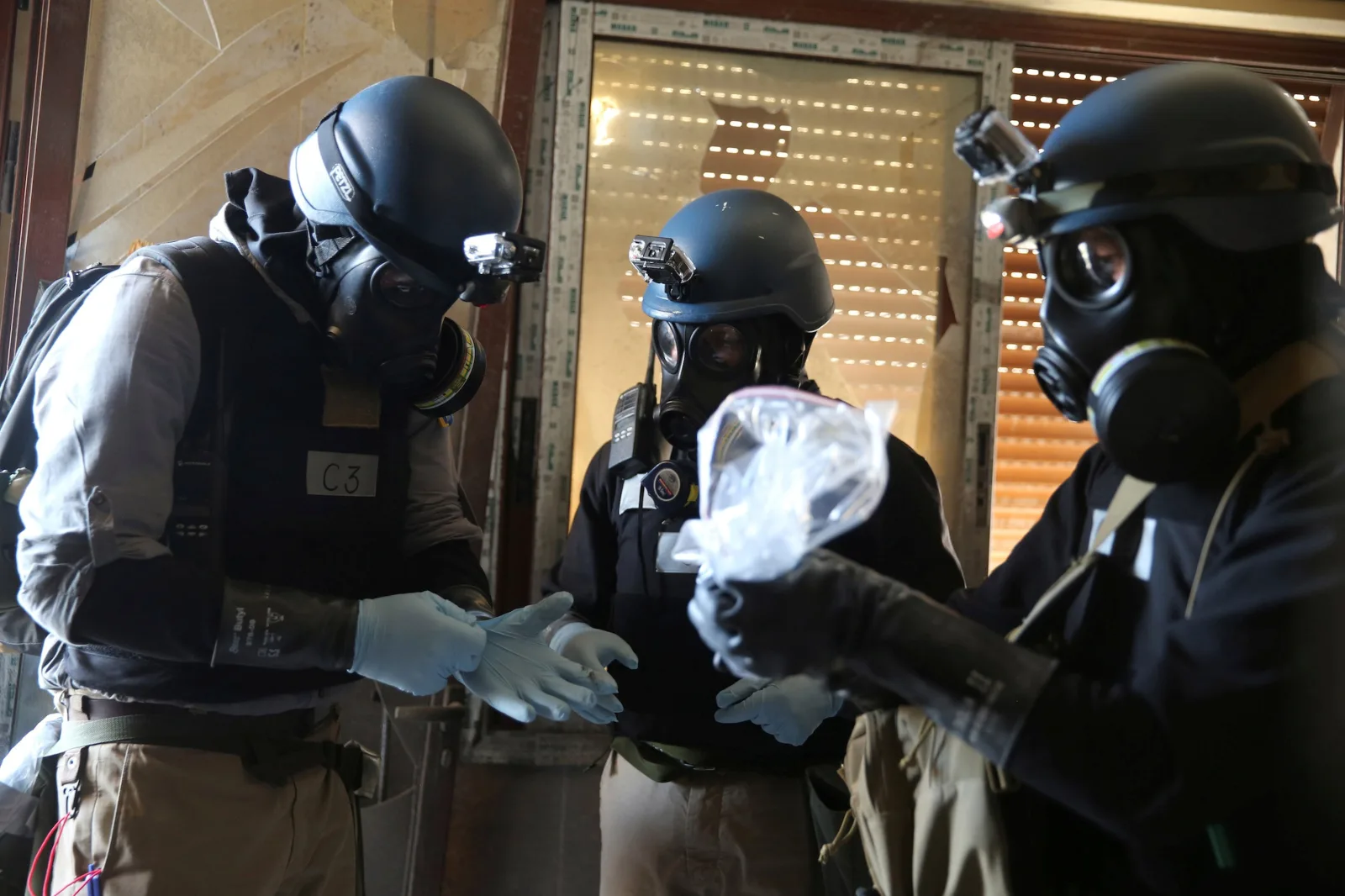
After the chemical attacks, de Bretton-Gordon contacted the Syrian Medical Charity Union and established a team to train doctors in evidence collection. He states that evidence collection is only valuable when there is a complete chain of evidence, and any gaps in this chain undermine the credibility of the evidence.
The experience of gathering evidence in Syria, especially during dangerous times, has posed many challenges. De Bretton-Gordon says: "Syria at that time was a bandit country, and there were serious dangers." Nevertheless, he and his team managed to collect significant evidence with the help of non-governmental organizations.
The evidence collected from victims of chlorine poisoning, including blood and hair samples, was sent to international organizations and used in legal proceedings against the Assad regime.
Media reports regarding the use of chemical weapons in Sudan began 10 months ago, and a comprehensive information file on this matter has recently been published. Evidence shows that between 2013 and 2019, the Assad regime repeatedly used chlorine bombs. Now, new evidence of the use of the same type of weapons in Sudan exists, requiring further evidence collection.
Despite the dangers, the evidence collected by international teams could play a vital role in future legal proceedings. De Bretton-Gordon notes that gathering evidence to international standards is challenging due to existing limitations and high risks, but its outcomes could have a profound impact on the political and human rights future in these regions.
Read more: UN Human Rights Chief's Warning about War Crimes in Gaza · Yemen in Flames: 80,000 People Displaced from Their Homes