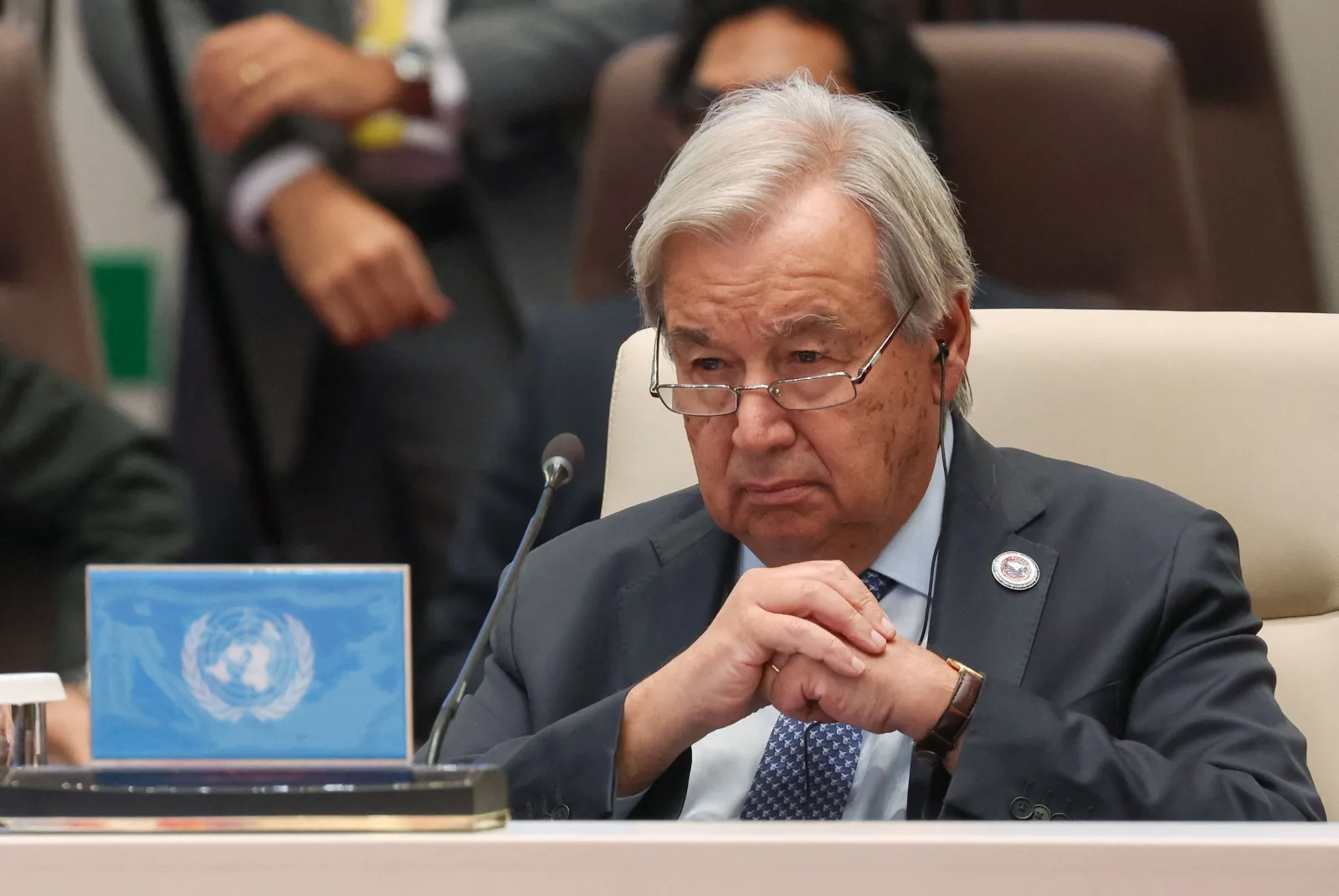
America is currently facing increasing financial challenges in replenishing its missile and interceptor stockpiles that were used in the early stages of the war with Iran. According to a report released this week, the cost of the war with Iran has reached at least $38 billion as of August 1. The largest individual cost comes from the firing of defensive missiles and munitions, which the Congressional Budget Office (CBO) states will lead to a reduction in America's inventory for "several years."
Consequences of the War for U.S. Defense and Economy
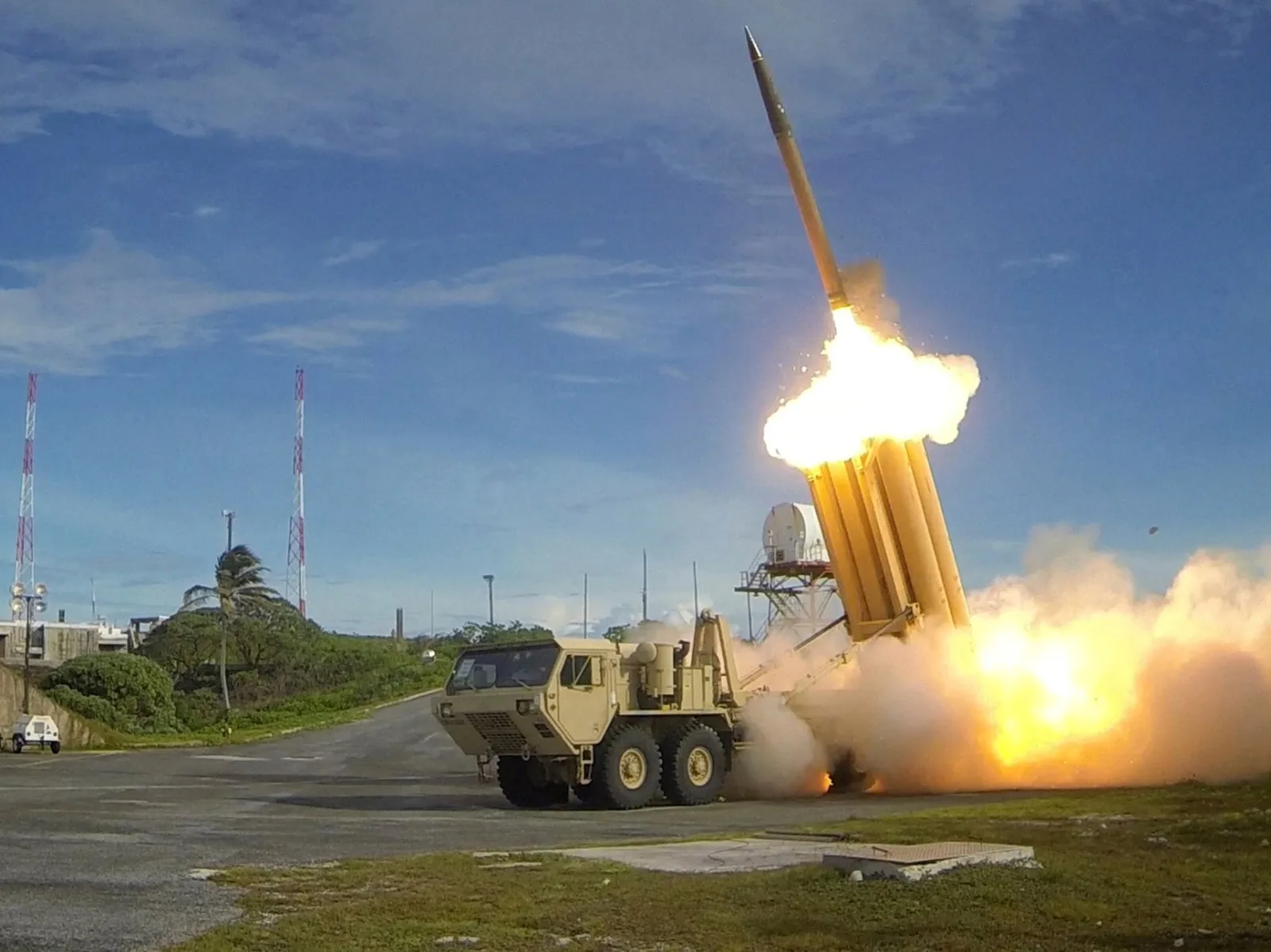
The CBO report highlights the profound implications of the war for U.S. defense and domestic economy. Shortages in critical munitions, including interceptor missiles, could limit the Pentagon's response in the event of any further major conflict, such as any tensions between China and Taiwan. America is currently using Patriot and THAAD missiles to protect its forces and allies from Iranian missiles and drones in the Middle East.
Read more: Saudi Arabia: Houthi Attacks on Mecca Violate Red Lines
Inventory Reductions and New Budget Requests
The Pentagon Inspector General's report referred to "strategic shortages in inventory" and industrial bottlenecks for replenishment. According to an analysis from the Center for Strategic and International Studies, the number of Patriot interceptor missiles has decreased from 2,330 at the beginning of the conflict to less than 850 by the end of July. Meanwhile, the THAAD inventory has dropped to about 250 missiles from 452. These inventory reductions may force the United States and its coalition partners to accept greater risks in interceptors.
The U.S. Army's budget request for fiscal year 2027 includes $12.2 billion for PAC-3 MSE Patriot missiles, which is more than nine times the previous year's request of $1.3 billion. This request also includes $11.4 billion for THAAD missiles, which represents a significant increase from the approximately $1.5 billion requested for THAAD in fiscal year 2026. The recent request accounts for funding for 857 THAAD missiles.
The reduction in U.S. missile inventories raises concerns about the country's ability to respond to any further conflicts and puts additional pressure on the already strained federal budget. In a Senate hearing in July, Defense Secretary Pete Hegseth called for nearly $90 billion in emergency funding to replenish munitions stocks. He noted, "Without this funding, we will face critical shortages." The Pentagon Inspector General's report referenced the damage and destruction caused by Iranian attacks, which have resulted in damage or destruction to hundreds of buildings at U.S. bases in the Middle East.
Former President Donald Trump stated in a media post last week that America is "producing more prominent and superior weapons than ever in its history." White House spokesperson Anna Kelly also stated that the U.S. military "has more than enough munitions, ammunition, and supplies to meet all strategic objectives of the Commander-in-Chief and beyond." In recent weeks, the Pentagon has announced signing production contracts worth tens of billions of dollars with defense contractors. Last month, the department announced contracts with Raytheon, Northrop Grumman, and Lockheed Martin to increase the production of missiles and missile components.
The CBO report does not include other costs of the war, such as damage to U.S. bases in the region, nor does it account for the costs associated with financing the war, which could add tens of billions of dollars to the overall costs.
Read more: Abbas in Cairo for Talks with Sisi on November Elections · WEF Report: Achieving Global Gender Equality Will Take 120 Years