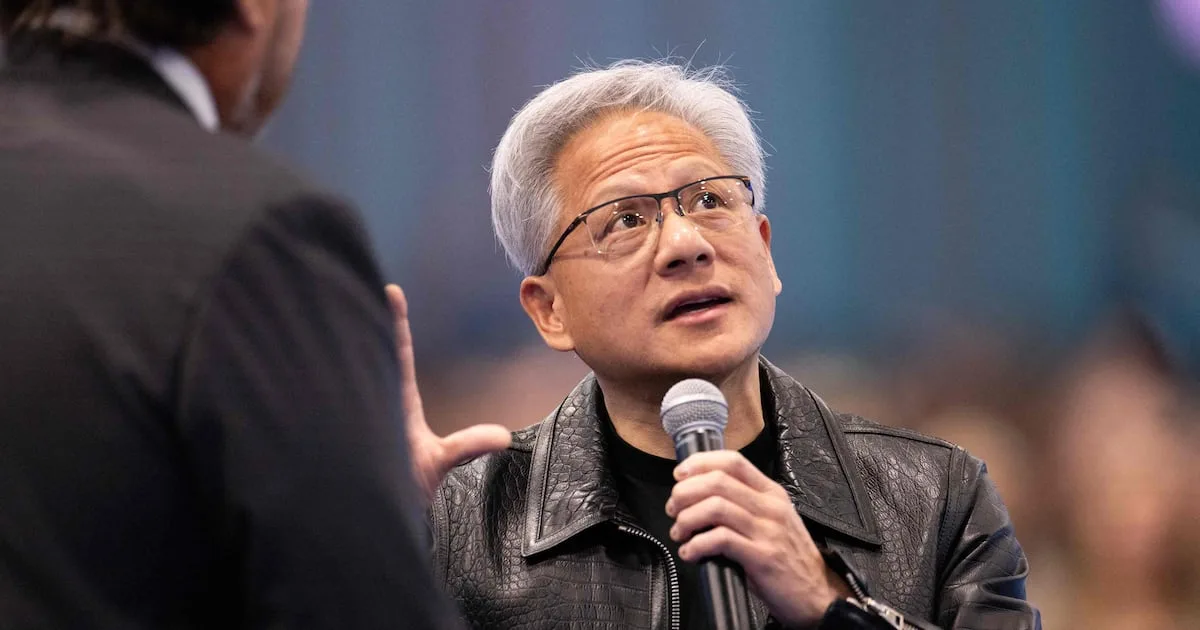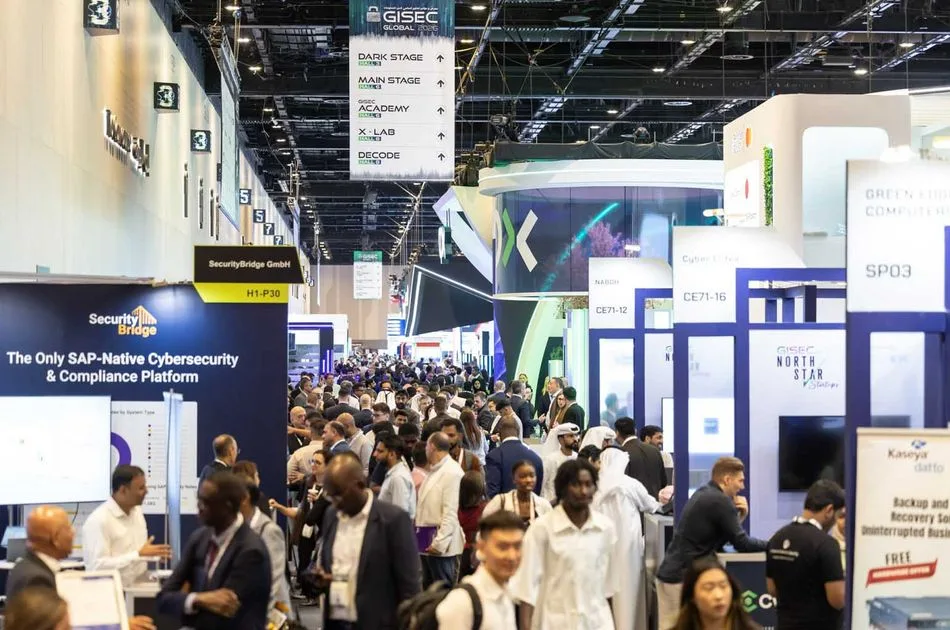
Dr. Mohammed Al-Kuwaiti, Chairman of the UAE Cybersecurity Council, stated at the GISEC Global 2026 conference that cyber resilience is increasingly linked to national and economic security, and cybersecurity relies on collective defense.
Cultural Responsibility of Cybersecurity
In his speech at the panel "Cybersecurity Defining the New Order," he said: "Cybersecurity culture is everyone's responsibility. Our first line of defense is still the community." The first day of the GISEC Global 2026 conference presented a high-impact program that drew attention to new threats based on artificial intelligence, national cyber resilience, and the protection of critical infrastructure.
Read more: Trump: Negative forces are threatening the future of artificial intelligence
In his keynote speech titled "The Deepfake Decade: What Hollywood Learned First," Michael Kelly, Emmy-nominated actor, addressed the challenges posed by AI-generated deepfakes in the realms of identity, consent, and trust. He emphasized the importance of identity verification, content validation, and meaningful control over the use of AI-generated media, stating: "Your voice and your appearance are your identity. No one should be able to use them without your knowledge and consent."
Cyber Resilience and Infrastructure Protection
The first day of the conference also examined the practical realities of protecting critical sectors. Sessions including "Practical Resilience in Oil and Gas" and "Cyber Resilience in Critical Infrastructure" explored how compromised OT environments, sensor inputs, and digital twins can transfer cyber risk beyond IT systems and create physical, safety, and operational consequences.
Khalid Al-Tunaji, Head of Cybersecurity at the ENOC Group, argued that organizations should assess cyber risk from the perspective of potential business, operational, cyber-physical, and safety consequences, rather than merely as an IT challenge against OT. He also emphasized the importance of non-cyber measures and the ability to switch to manual or reduced operations to maintain essential services during an incident.
The intersection of cybersecurity, national security, and digital governance continued at the Cybersecurity Congress, hosted by the UAE Cybersecurity Council. Discussions focused on international collaborations, governance cyber capabilities, and securing evolving digital economies.
In the panel "Building the Safest City in the World in the Age of AI-Based Threats," Amer Sharaf, CEO of the Cybersecurity Systems and Services Division at the Dubai Electronic Security Center (DESC), examined Dubai's approach to resilience in the face of increasing cyberattacks and cyber defense. He emphasized AI-based defenses, valid digital identity, resilience by design, a "human firewall," and public trust, stating: "Security exists not only in the physical world but also in the digital world. Cybersecurity must be a shared responsibility."
In addition to the conference program, GISEC translated the day's discussions into practical experiences through live ethical hacking demonstrations and OSINT in the dark web. Interactive challenges, including the Dubai Cyber Challenge and GISEC Decode, continued alongside cybersecurity training programs for students.
GISEC Global 2026 at the Dubai Exhibition Center, in the Expo City Dubai, will continue until September 18, focusing on AI security, critical infrastructure, cloud security, cyber warfare, digital forensics, and emerging technologies over the next two days.
Read more: Elon Musk and Sam Altman agreed with the CEO of Anthropic to slow down AI development · Meeting of the City CEO with Sheikh Khalid bin Mohammed bin Zayed Al Nahyan