The U.S. House of Representatives, by passing a bipartisan sanctions package, has addressed new sanctions against Russia as well as punitive economic measures against Iran for a period of five years. This bill has now been sent to President Donald Trump's office to be enacted upon approval.
Details of the Sanctions Bill
This bill, named after the late Senator Lindsey Graham, a staunch critic of Russia and supporter of sanctions against Iran, was passed with a vote of 262 to 159 in the House of Representatives. The bill allows President Trump and future presidents to impose tariffs of up to 100 percent on major energy importers from Russia, including India, Japan, and some European Union countries. It also addresses actions against countries that assist in circumventing Russia's energy sanctions.
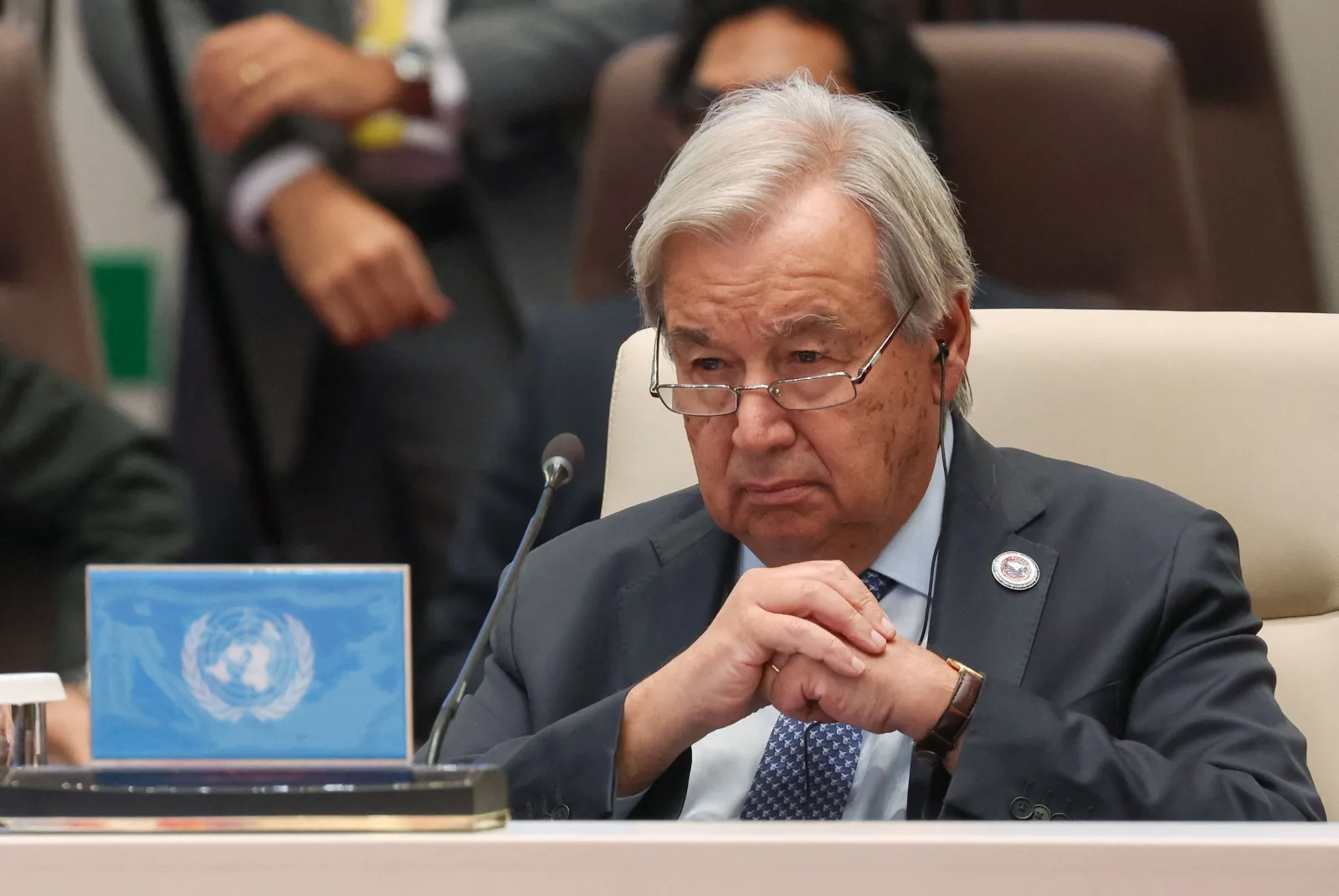
Read more: Antonio Guterres Warns of the Dangers of War in the Middle East
Consequences of the Sanctions for Russia and Iran
These measures have been taken in response to pressure on Russia to end the war in Ukraine, which has now entered its fourth year. While Donald Trump had previously been hesitant to impose sanctions against Moscow, he has shown increased support for this idea as the war continues. Mike Lawler, a representative and one of the supporters of this bill in the House, stated that this bill "increases the costs of aggression" and explicitly described Vladimir Putin as a dictator and criminal.
The anti-Iranian measures of this law coincide with the extension of the Iran Sanctions Act, which was passed in 1996 and was set to expire this year. The aim of these sanctions is to maintain pressure on Iran's arms and energy industries and to limit the country's government revenues. The United States is also engaged in an economic operation called "Economic Exile Operations," which focuses on cutting off Iran's financial resources globally.
Scott Busent, the Treasury Secretary, announced this week: "As part of the Economic Exile Operations, the Treasury will continue to target and disrupt individuals who provide material, technological, or financial support to the Iranian regime. These actions contribute to the continuation of the Iranian regime's terrorist activities."
Read more: India Protests to Pakistani Diplomat Over Maritime Incident · New Maritime Route Opened in the North with Cooperation from China and Russia