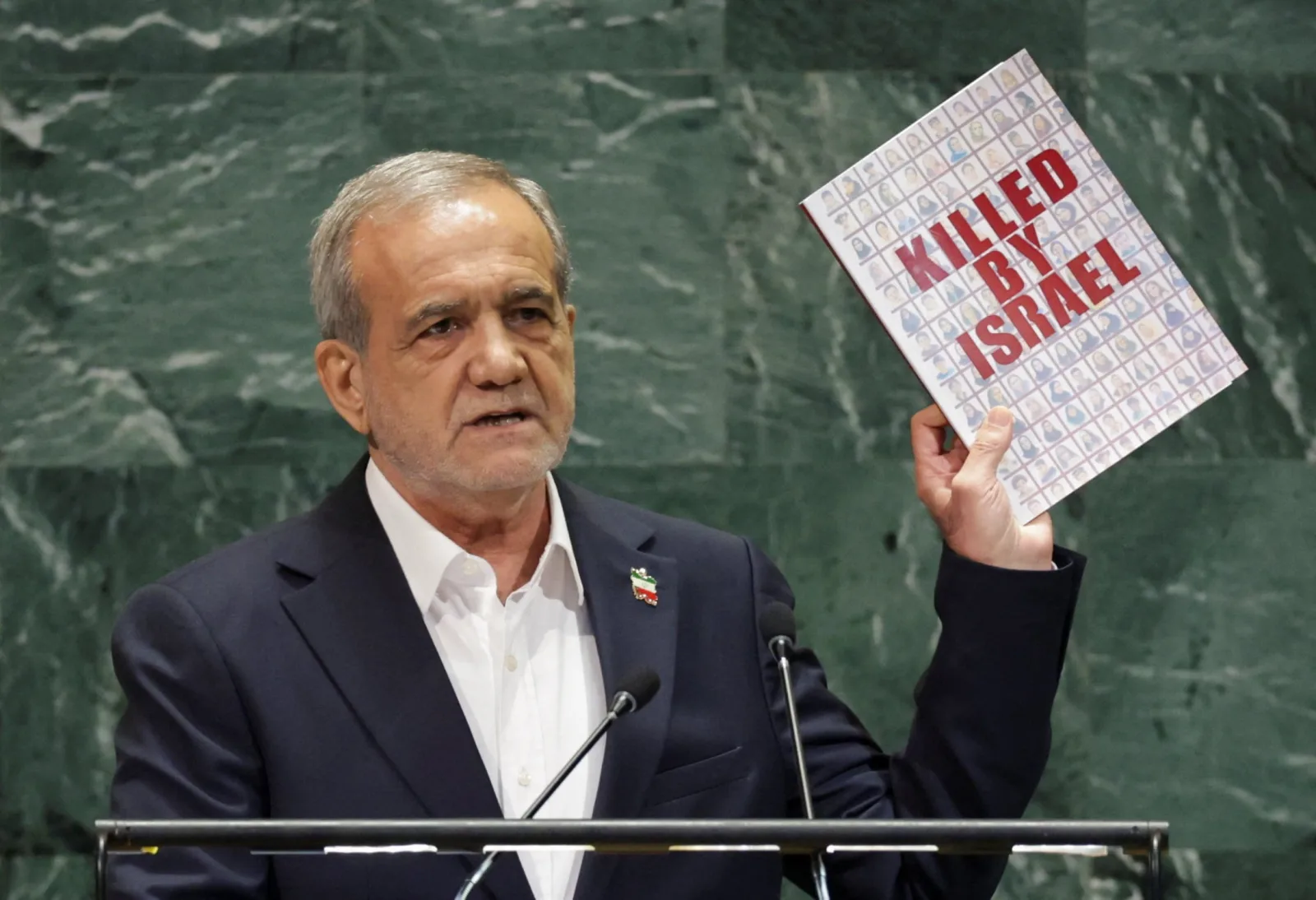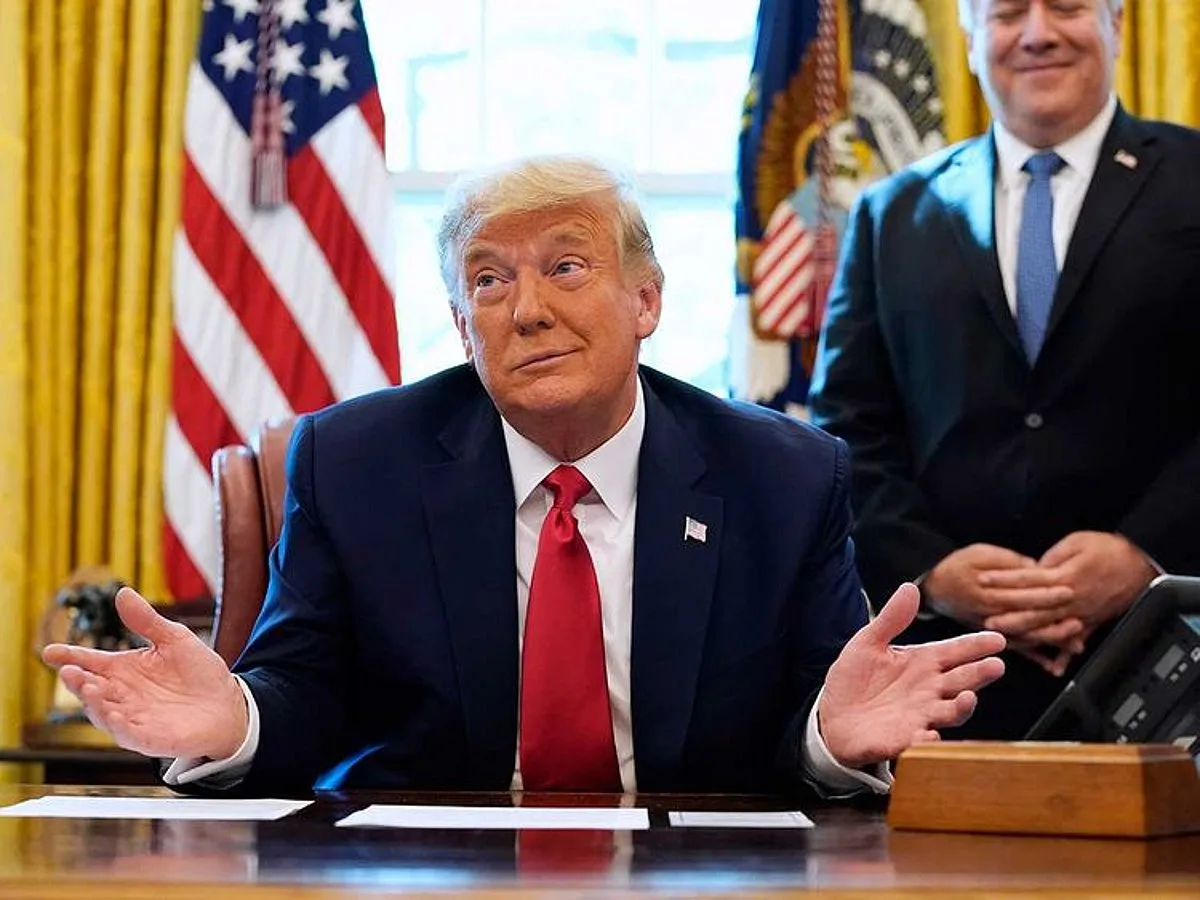
The United States government led by Donald Trump will meet with the leaders of the Gulf Cooperation Council countries in New York on the upcoming Tuesday on the sidelines of the United Nations General Assembly. This meeting will focus on the next phase of the Iran war, and senior officials from the UAE, Saudi Arabia, Qatar, Bahrain, Kuwait, and Oman will be present.
Details of the Meeting and Its Objectives
Initial invitations for this meeting were sent out on Wednesday, and other Arab and Muslim country officials are likely to join the gathering. The main goal of this meeting is to discuss the United States' ideas about the post-war future, especially considering that Trump and his senior officials are working to develop a comprehensive plan for the days after the war. This plan is likely to be finalized after the November midterm elections.
Read more: Antonio Guterres Warned of the Dangers of War in the Middle East
The Gulf countries, which are directly affected by this war, will have the opportunity to express their views on the United States' thoughts on how to end the war and its consequences. During this conflict, several Gulf countries hosting U.S. military bases have been targeted by Iranian attacks, leading to disruptions in regional oil and gas exports and additional economic costs.
Signs of War's End and Ongoing Diplomacy
The New York meeting comes as Trump has indicated signs of a possible end to the war. He told reporters, "We hope to get close to the end of the war," and also claimed that the United States has been in direct communication with Iran. However, no ceasefire agreement or final deal has been announced, and fundamental disagreements between Washington and Tehran remain.
The conflict, which began on February 28, has now entered its seventh month, and in response to U.S. and Israeli attacks, Iran has carried out multiple attacks on countries hosting U.S. military bases. Disruptions in the Strait of Hormuz have negatively impacted energy attacks and increased global oil and gas prices.
At the same time, signs of behind-the-scenes diplomacy are also emerging. U.S. officials have recently held talks with senior representatives of the Iran-backed Houthis in Oman. This meeting, which a source stated took place on Sunday at the U.S. embassy in Muscat, was facilitated by Oman. Houthi representatives assured the Americans that they would not attack U.S. ships and would adhere to their ceasefire with Washington in 2025.
Additionally, a Yemeni source stated that the Houthis have also promised not to attack Israeli ships or other commercial vessels, except for Saudi ships.
This meeting in New York could become an important platform for shaping Washington's approach if it moves toward negotiations. Last year, Trump presented his peace plan for Gaza to the leaders of eight Arab and Muslim countries at a similar meeting on the sidelines of the United Nations General Assembly.
While no meeting between Trump and Israeli Prime Minister Benjamin Netanyahu is currently scheduled in New York, it is expected that future plans for the war and international relations will be shaped during these important meetings.
Read more: Military Victory of the Houthis and the Rise of Their Mysterious Commander · Antonio Guterres: Reducing Tensions is the Top Priority in the Middle East